The World Fashion Festival 2026 descended upon Chicago’s iconic Navy Pier, turning Bar Sol into the epicenter of global style for a transformative two-night run. Concluding on October 16, 2026, the event did not merely showcase garments; it redefined the traditional runway experience by integrating late-night nightlife culture into the very fabric of the exhibition. As guests gathered against the backdrop of Lake Michigan, the atmosphere signaled a shift in how fashion is consumed, moving away from static gallery viewing toward immersive, high-energy spectacle.
Key Highlights
- Two-Night Immersive Showcase: The festival utilized Bar Sol’s unique architectural layout to host back-to-back runway events, maximizing the venue’s capacity for high-fashion engagement.
- Lakefront Integration: The event leveraged the distinct lakefront views of Navy Pier, providing a sophisticated, cinematic setting that enhanced the international collections on display.
- Nightlife-Runway Hybrid: By pairing high-fashion shows with late-night after-parties, organizers successfully captured a diverse demographic of industry insiders, socialites, and fashion enthusiasts.
- Global Talent Spotlight: The event platformed a curated list of international designers, emphasizing Chicago’s growing relevance as a key player on the global fashion circuit.
The Architecture of Immersive Fashion
The decision to host the World Fashion Festival 2026 at Bar Sol was not merely a logistical choice but a strategic one. As the sun dipped below the Chicago skyline, the venue’s glass-forward design allowed the urban sprawl to act as a living, breathing backdrop to the collections. This interplay between the interior runway and the exterior natural elements of Lake Michigan created a ‘fashion-in-motion’ effect that traditional, sterile runway venues often lack. Attendees were not just observing; they were participants in a curated sensory experience.
Redefining the ‘Spectacle’
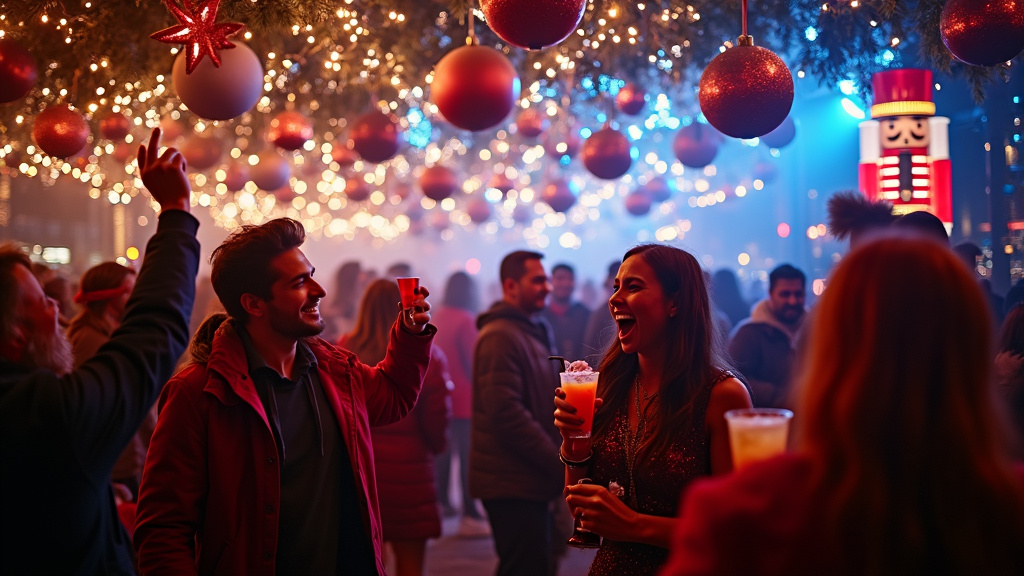

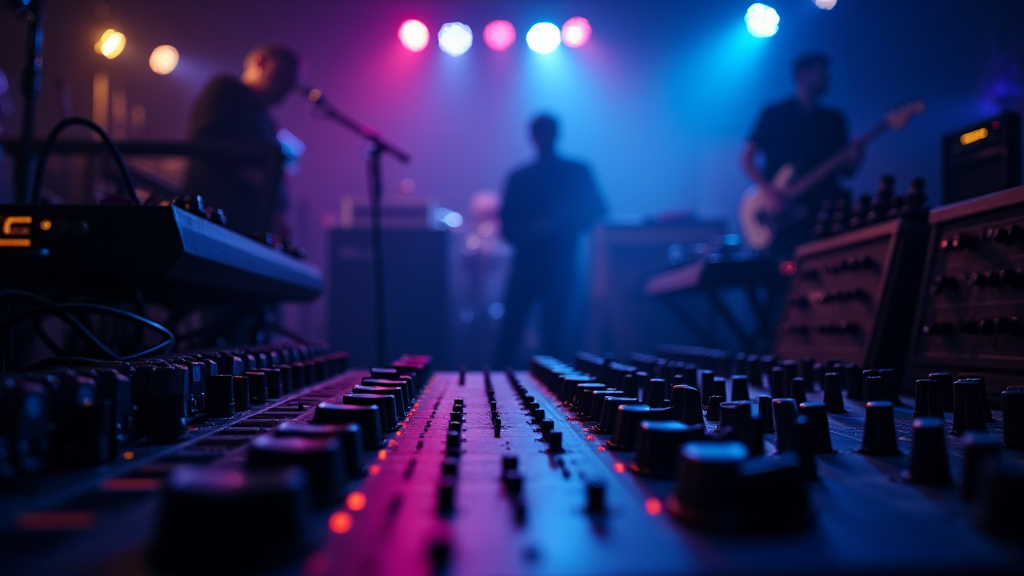
Modern fashion consumers are increasingly demanding more than just a quick look at a new season’s aesthetic. They seek experience, atmosphere, and social connectivity. The festival’s organizers understood this by breaking the ‘sit-and-stare’ convention. By moving directly from the runway show into high-energy nightlife segments, the festival transformed the runway into a social hub. This transition is indicative of a broader trend: the ‘nightlife-fication’ of high-end events. When the music swelled and the lights dimmed, the distinction between model, designer, and attendee blurred, fostering an environment where fashion is treated as an active lifestyle rather than a passive observation.
Economic Impact and Cultural Positioning
For Chicago, hosting an international-caliber event like the World Fashion Festival 2026 serves as a significant economic catalyst. Bringing international talent to the Navy Pier district drives tourism, bolsters the hospitality sector, and solidifies the city’s reputation as a top-tier destination for high-end events. Historically, Chicago has had to compete with the fashion dominance of coastal cities like New York and Los Angeles. However, by utilizing premium, architecturally significant venues like Bar Sol, the city is effectively leveraging its unique assets—its geography and its nightlife—to carve out a distinct niche in the fashion world. This event proved that Chicago can command the attention of the global industry when it leans into its strengths.
The Future of Runway Integration
Looking ahead, the success of this two-night spectacle sets a precedent for future event planning. Designers are now seeking venues that offer ‘third-space’ utility—locations that function as both a stage and a party destination. As we look toward the 2027 fashion calendar, we expect to see an increase in pop-up, experiential runway shows that move away from conventional ballrooms and into dynamic, public-facing spaces. The integration of technology, such as live-streamed social media activations within the after-parties, further amplified the reach of the festival, proving that the ‘nightlife-spectacle’ model is the future of fashion marketing.
Leveraging Local Identity
The choice of Bar Sol specifically speaks to a desire for authenticity. Unlike generic event spaces, Bar Sol carries the weight of Chicago’s identity. The salt air, the proximity to the water, and the panoramic views of the skyline offered a grounded, visceral experience that luxury brands are currently chasing. It allows for a narrative that feels less like a corporate sales pitch and more like a cultural movement. As international designers continue to seek out locations that offer unique, ‘Instagrammable,’ and atmospheric value, Chicago’s lakefront properties are positioned to become highly sought-after real estate for future global fashion events.
FAQ: People Also Ask
Why was Bar Sol chosen for the World Fashion Festival 2026?
Bar Sol was selected for its prime location at Navy Pier, offering a unique blend of indoor luxury and iconic lakefront views that provided a dynamic, cinematic backdrop for the runway shows, moving away from traditional, sterile exhibition spaces.
What made this festival different from traditional runway shows?
Unlike conventional runway shows that focus solely on the presentation of garments, this festival integrated high-energy nightlife and after-parties, creating a holistic, immersive, and social experience that engaged attendees long after the runway walk concluded.
Did the festival bring international attention to Chicago?
Yes. By hosting an international lineup of designers, the festival successfully utilized Chicago’s cultural and geographic assets to attract a global audience, reinforcing the city’s growing importance as a key destination in the international fashion circuit.