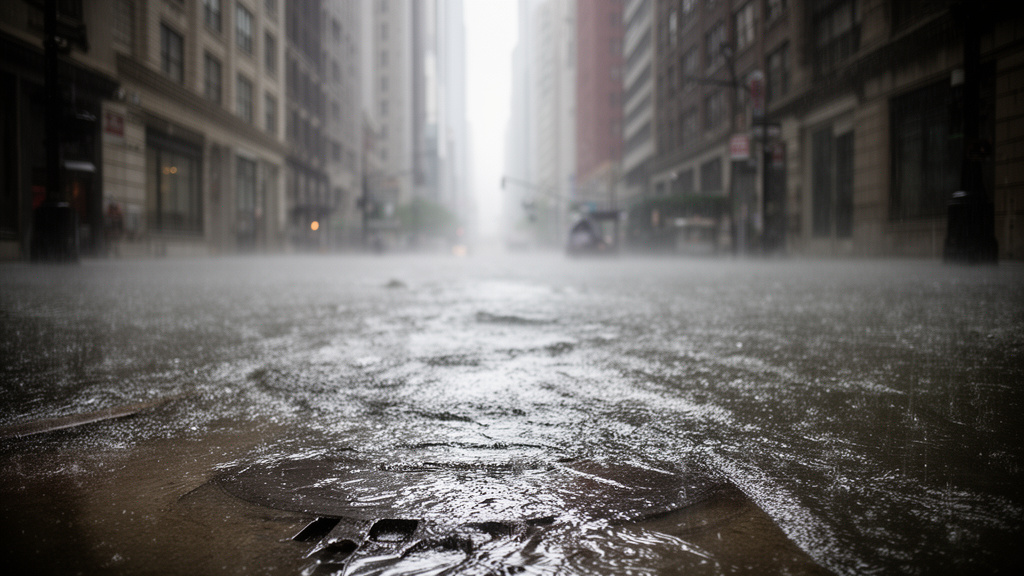
A devastating stampede at a major Durga Puja festival pavilion in Kolkata, India, has claimed the lives of 19 individuals, casting a somber shadow over the vibrant religious celebration. The tragedy, which occurred as thousands of devotees were gathered to witness the intricate idol installations, was triggered by heavy, unpredicted rainfall that sent attendees scrambling for cover, causing a sudden, uncontrollable surge within the confined structure of the pavilion.
Key Highlights
- Mass Casualty Incident: At least 19 people confirmed dead following a stampede at a prominent Durga Puja pandal in Kolkata.
- Environmental Catalyst: Torrential, unpredicted rainfall created a “run-for-cover” dynamic that compromised crowd stability.
- Infrastructure Failure: The structural layout of the temporary pavilion exacerbated the chaos, restricting egress routes for those caught in the crush.
- Emergency Response: Disaster management teams and local authorities have secured the site, with a full-scale investigation into safety protocols currently underway.
The Anatomy of a Festival Tragedy: Analyzing the Kolkata Incident
The Durga Puja festival in Kolkata is not merely a religious event; it is a seismic cultural phenomenon that draws millions of people into the city’s narrow streets. The tragedy that resulted in 19 deaths serves as a stark reminder of the immense difficulty involved in managing “human fluid dynamics” during peak religious gatherings. When thousands of people are packed into temporary structures—often constructed from bamboo, fabric, and plywood—the threshold between a festive environment and a life-threatening disaster is remarkably thin.
The Physics of Panic: Why Rains Triggered the Crush
In the context of crowd management, panic is often not caused by the event itself, but by the sudden shift in collective behavior. When the heavy rains began, the density of the crowd within the pandal did not allow for the necessary lateral movement required for people to seek shelter. As individuals attempted to move toward exit points, the sheer physical pressure overwhelmed the structural integrity of the temporary entryways.
Experts in disaster management note that in such high-density environments, a single slip or a sudden stop creates a wave effect, similar to a traffic jam, but with far more severe consequences. When the crowd density exceeds a critical threshold—often measured as more than four people per square meter—individual agency is lost, and the crowd acts as a single, unstable entity. In this incident, the panic was compounded by the slick, wet surfaces underfoot, leading to a rapid cascade of falls that obstructed the path for those behind, culminating in the fatal crush.
Infrastructure Vulnerability in Temporary Structures




The Durga Puja pavilions, or ‘pandals,’ are temporary architectural marvels designed for aesthetics rather than heavy-duty egress. These structures are frequently erected in confined spaces to maximize the experience for devotees. However, when an emergency arises, these very designs—meant to guide visitors through specific corridors—become traps. The investigation will undoubtedly focus on whether the pandal met the mandatory fire and safety regulations, specifically regarding the width of exit paths and the presence of emergency ventilation.
The Kolkata Municipal Corporation and the West Bengal police often issue stringent guidelines before the festival commences, including mandatory “NOCs” (No Objection Certificates) for structural safety. Yet, the rapid shift in weather patterns remains a variable that is notoriously difficult to plan for. The lack of open-air “buffer zones” around the pavilion made it impossible for the crowd to disperse quickly when the storm broke, leaving them trapped against the temporary walls.
The Socioeconomic and Psychological Ripple Effects
Beyond the immediate tragedy, the loss of 19 lives ripples through the local community, impacting not only the families of the victims but the entire spirit of the festival. For Kolkata, Durga Puja is the primary economic driver for artisans, vendors, and local transport operators. A tragedy of this magnitude forces a psychological shift among the populace, where the fear of congregation may diminish participation in the remaining days of the festival.
Furthermore, this incident invites a broader conversation about urban planning in Indian metros. As urbanization accelerates, the strain on public infrastructure during major festivals is only increasing. The challenge for the future lies in integrating ‘Smart City’ technologies—such as real-time crowd density sensors, automated entry-gating, and weather-synchronized evacuation protocols—to ensure that religious tradition does not come at the cost of human life.
Accountability and Future-Proofing
Local authorities have faced immediate scrutiny regarding the density controls at this specific pavilion. The primary question investigators are asking is: at what point was the capacity limit reached, and why were entry points not restricted once that limit was breached? The accountability will likely fall on the local puja organizing committee, who are tasked with volunteer-led crowd control in the absence of a permanent police presence at every pavilion.
Moving forward, the implementation of mandatory disaster-resilient design standards for all temporary pavilions is expected. This includes the requirement for wider, fire-retardant corridors and the presence of pre-positioned disaster response teams at high-traffic zones during peak festival hours. The goal is to evolve the festive experience from an ‘at-your-own-risk’ cultural immersion to a managed, safety-first public event.
FAQ: People Also Ask
Q: What is the primary cause of the stampede?
A: While official investigations are ongoing, the preliminary findings indicate that heavy, unpredicted rainfall caused a sudden rush of crowd movement toward shelter, leading to congestion and a fatal crush within the pandal.
Q: Are Durga Puja pavilions regulated for safety?
A: Yes, all temporary pandals must adhere to safety regulations, including fire safety, structural integrity, and crowd management plans, enforced by the Kolkata Municipal Corporation and local police. This incident has raised critical questions regarding the enforcement of these standards.
Q: What measures are being taken to prevent future tragedies?
A: Authorities are expected to enforce stricter crowd-capping limits, mandatory wide-exit requirements for temporary structures, and the potential integration of real-time crowd-tracking technology at major festival sites.