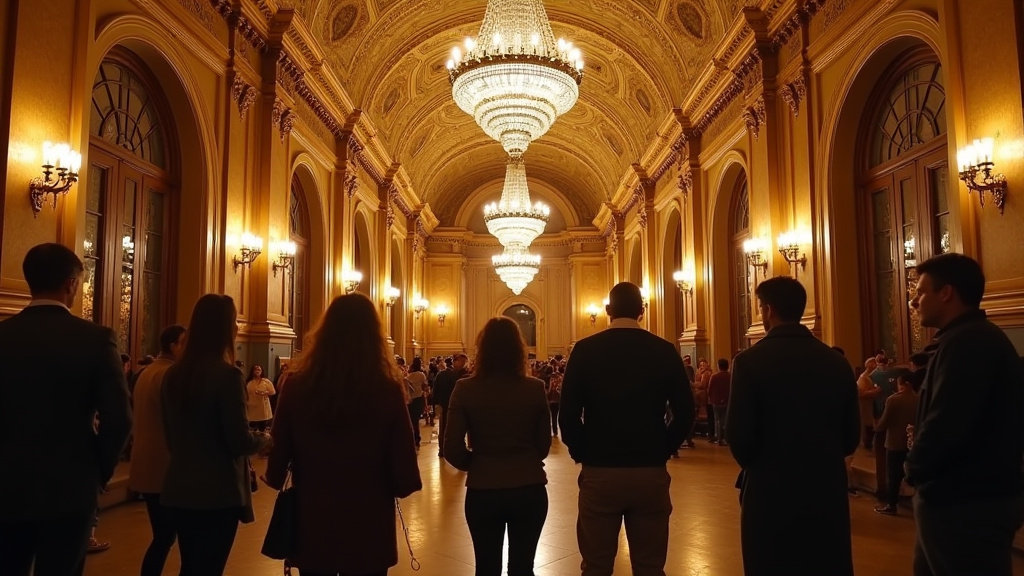
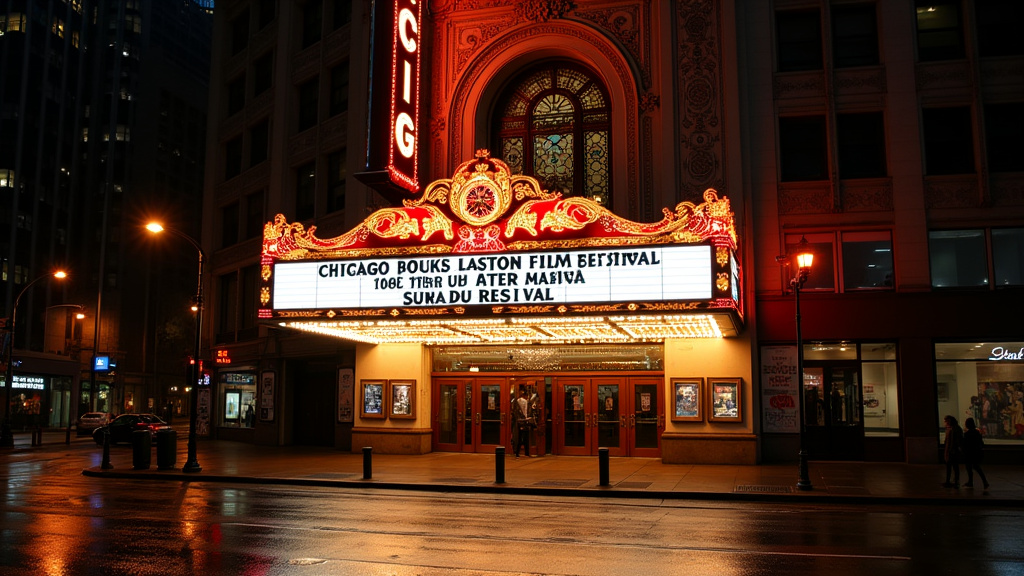
Chicago’s architectural secrets are being laid bare today as the Chicago Architecture Center (CAC) hosts the final hours of Open House Chicago. This city-wide festival offers unprecedented free public access to over 170 sites, ranging from historic skyscrapers to private community clubs, inviting residents and visitors to explore the hidden spaces that define the city’s unique urban landscape. As the clock ticks down on this annual event, the city transforms into an open-air museum, challenging the public to rethink their relationship with the built environment that shapes their daily lives.
The Chicago Architecture Center: Curators of Urban Literacy
At the heart of this massive logistical undertaking is the Chicago Architecture Center (CAC). While many cities host similar ‘open house’ events, the Chicago iteration stands as one of the largest in the world. The CAC has spent months coordinating with property owners, private organizations, and local business owners to ensure that spaces ranging from the gilded lobbies of the Loop to the industrial repurposing projects in the neighborhoods are accessible and safe for the public.
The mission goes beyond mere tourism. By unlocking doors that are typically bolted shut—such as the high-security boardrooms of major banks or the inner sanctums of private fraternal clubs—the CAC aims to increase architectural literacy among the general public. Understanding how a building functions, who designed it, and why it remains standing provides a deeper appreciation for the city’s complex history. This year, the inclusion of 170 sites across more than 20 distinct Chicago neighborhoods demonstrates a concerted effort to decentralize the narrative of Chicago architecture. It is not just about the iconic skyline; it is about the bungalows in Rogers Park, the repurposed warehouses in the West Loop, and the historic preservation efforts in Bronzeville.
Beyond the Loop: A Neighborhood-Centric Approach

While the commercial center of the city always draws the largest crowds, the real ‘hidden gems’ of the festival are often located in the residential and industrial corridors. For those looking to make the most of the final day, shifting focus away from the dense concentration of downtown sites can offer a more intimate experience.
Consider, for instance, the adaptive reuse projects that define the modern industrial landscape. Many of the sites featured this year represent the evolution of Chicago’s economy—from manufacturing hubs to tech incubators or luxury lofts. By visiting these specific locations, attendees can observe the tangible impact of urban renewal. These structures act as physical timelines, showcasing the materials, labor, and aesthetic priorities of past generations, now integrated into the fabric of 21st-century commerce.
The Economics of Access
Open House Chicago is not merely a cultural event; it is an economic engine. Local businesses, cafes, and restaurants located near the festival sites often report significant spikes in foot traffic. The ‘Open House effect’ creates a micro-economy of exploration. As visitors move from one site to another, they are effectively conducting walking tours of neighborhoods they might otherwise bypass. This pedestrian activity revitalizes local business districts, providing a tangible economic boost that extends well beyond the two-day event.
Furthermore, the festival highlights the importance of historical preservation. When the public is invited to engage with a historic site, the argument for its protection becomes significantly stronger. Buildings that were once viewed as obsolete or candidates for demolition are suddenly recognized as community assets. This shift in perception is a crucial component of urban planning, ensuring that the city’s heritage is not paved over in the name of progress, but rather woven into the city’s future identity.
Strategic Exploration: Maximizing the Final Hours
With only hours remaining, strategy is paramount for those hoping to capture the most out of the final day. The CAC advises utilizing the digital event map, which provides real-time information on queue lengths and site accessibility. Because this is a free, self-guided event, popularity at major sites can lead to long wait times.
Savvy explorers are currently pivoting toward the ‘hidden’ selections—the smaller, lesser-known sites that offer deeper historical dives without the crushing crowds of the major attractions. These locations often allow for more personal interaction with site volunteers, who are frequently architects, historians, or long-time residents with deep knowledge of the specific property. Engaging with these docents provides a level of depth that a typical guidebook or audio tour cannot replicate.
Future Implications and Urban Design
Looking ahead, the success of the current festival format begs the question: could this model of ‘radical transparency’ be applied to urban planning on a more permanent basis? The enthusiasm for Open House Chicago suggests a latent public demand for deeper engagement with urban design. The Chicago Architecture Center continues to leverage this data to inform its year-round programming, advocating for better streetscapes, more sustainable building practices, and inclusive development policies.
As the sun sets on this year’s festival, the legacy of the event remains in the heightened awareness of the attendees. They leave with more than just photos of ornate cornices and vaulted ceilings; they leave with an understanding of how their city works—and how, as stakeholders in the urban environment, they have a role in deciding what that city becomes in the next century.