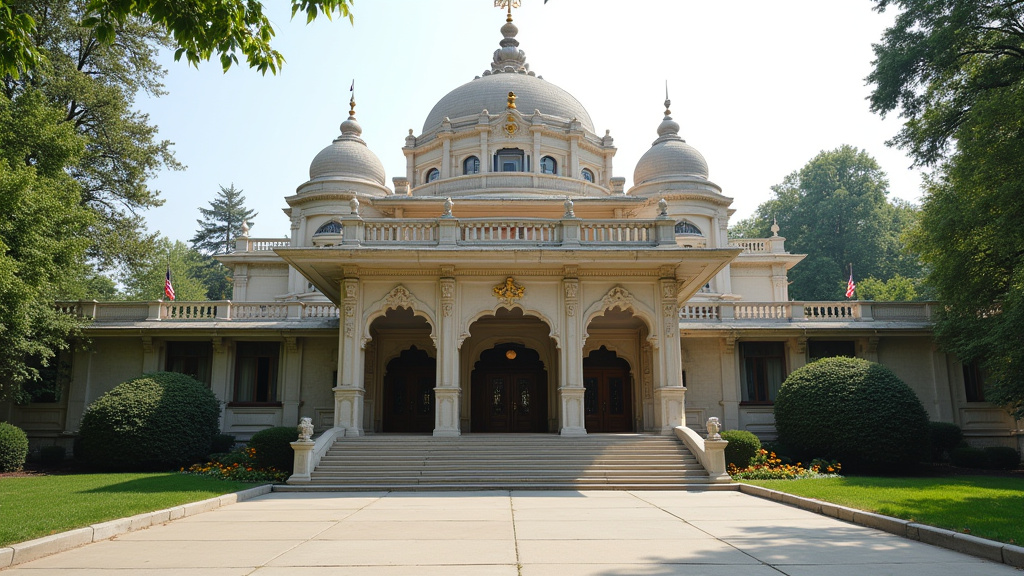
This weekend, the city of Chicago transforms into an open-air museum as the 16th annual Open House Chicago (OHC) festival returns. Organized by the Chicago Architecture Center (CAC), this highly anticipated event invites both residents and curious visitors to step behind the scenes of more than 200 architectural, historic, and cultural sites spanning 30 distinct neighborhoods. From the grand, opulent stages of historic theatres to the secure, silent depths of subterranean vaults, this year’s festival promises to reveal the hidden layers of a city built on architectural innovation and industrial might. As the CAC opens doors that are typically closed to the general public, the festival reinforces its core mission: to foster a deeper understanding of how architecture shapes our lives and our city.
- Event Scope: The festival encompasses 200 architectural and cultural sites across 30 diverse neighborhoods.
- Event Dates: The 16th annual Open House Chicago takes place this weekend, October 17 and 18.
- Behind-the-Scenes Access: Attendees gain rare entry to exclusive locations including the Uptown Theatre and historic underground vaults.
- Organizational Leadership: The festival is curated and managed by the Chicago Architecture Center (CAC).
- Accessibility: As a free, city-wide public event, it aims to democratize access to the city’s most significant built environments.
Unlocking the Urban Landscape: A Deep Dive into Chicago’s Built Environment
The Mission of the Chicago Architecture Center
At the heart of Open House Chicago is a mission that extends far beyond a simple tour of pretty buildings. The Chicago Architecture Center, an institution dedicated to celebrating and preserving the city’s world-renowned architectural legacy, utilizes this annual event as a critical educational tool. By facilitating access to these 200 sites, the CAC provides a unique, experiential framework for citizens to engage with their built environment. The architectural tapestry of Chicago is not merely decorative; it is a narrative of industrial growth, cultural shifts, and urban planning. The festival serves as a catalyst for community engagement, encouraging residents to step outside their usual commutes and explore the structural history that defines their neighborhoods. It effectively turns the entire city into a classroom, where the walls, facades, and interiors tell the story of Chicago’s evolution from a burgeoning mid-western hub to a global architectural icon.
Architectural Diversity: From Vaults to Stages
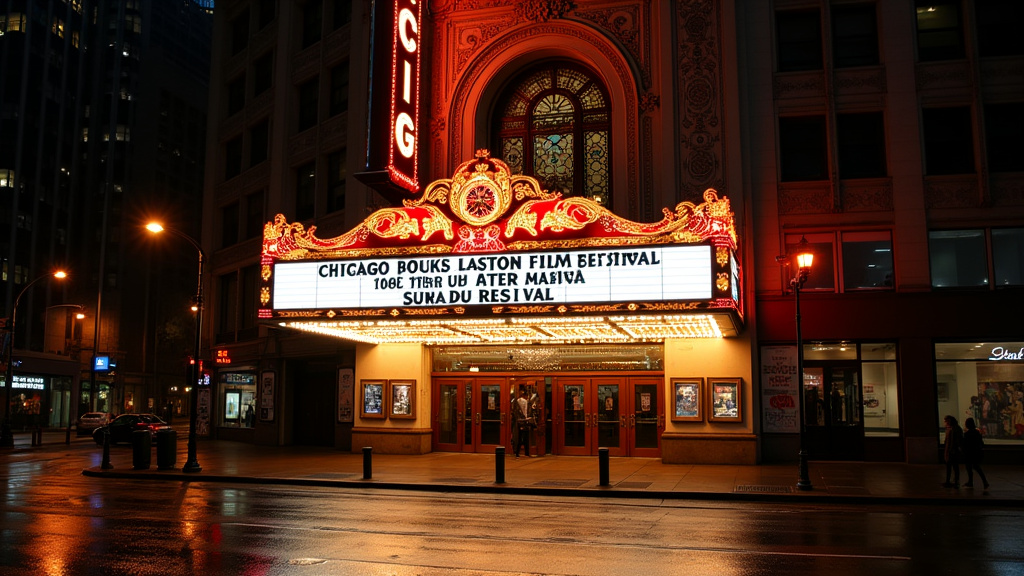
The sheer variety of sites included in the 16th annual festival is a testament to the depth of Chicago’s heritage. The inclusion of the Uptown Theatre is a highlight for many, offering a glimpse into the opulent, ornate era of movie palaces that once dominated the American cultural landscape. Such spaces require meticulous preservation efforts, and the OHC offers the public a rare opportunity to appreciate the scale and detail of these designs up close. Contrasting this are the historic underground vaults, which provide a different lens through which to view the city. These subterranean spaces highlight the engineering marvels that were necessary to support the city’s rapid development and are often invisible to the average pedestrian. By showcasing both the monumental and the utilitarian, the CAC ensures that attendees gain a holistic view of the forces—both cultural and practical—that have shaped the Chicago skyline and its foundations.
Navigating the 30 Neighborhoods

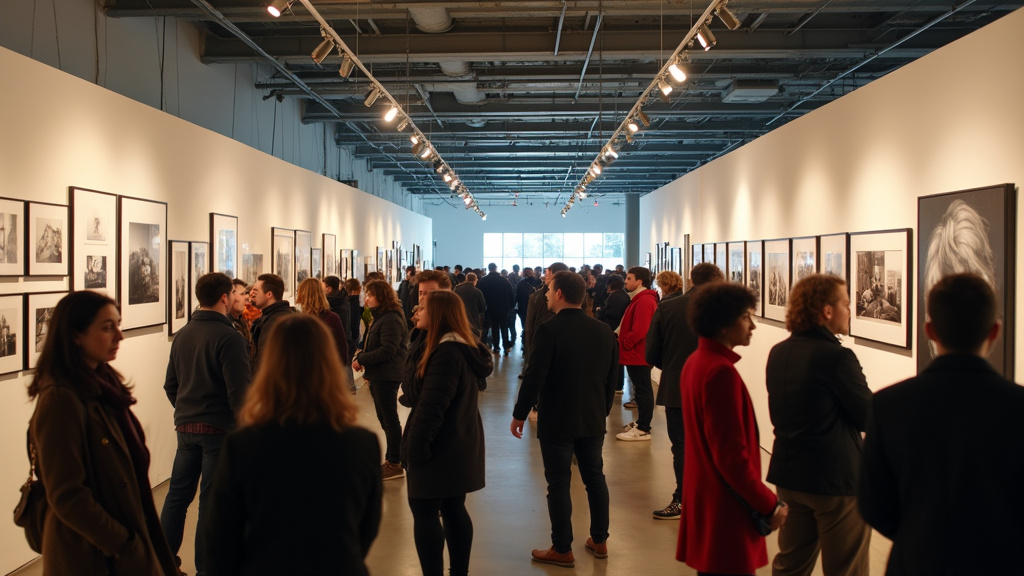

With 200 sites spread across 30 neighborhoods, the logistics of Open House Chicago are as impressive as the architecture itself. The festival is intentionally designed to push beyond the downtown core, urging participants to explore the unique character of diverse areas. This neighborhood-centric approach is vital for the festival’s economic and community impact. When thousands of visitors descend upon a specific neighborhood, it provides a measurable boost to local businesses, from coffee shops to retail stores, creating a temporary but significant surge in local economic activity. Furthermore, this approach helps to bridge the gap between different parts of the city, fostering a sense of shared ownership and appreciation for the collective history that connects diverse communities. Whether a visitor is interested in Art Deco skyscrapers, historic religious structures, or modern sustainable developments, the curated nature of the event ensures that there is a narrative thread connecting each of these distinct locations.
The Significance of Public Preservation
Beyond the thrill of exploration, Open House Chicago acts as a vital advocate for historic preservation. By bringing the public into these spaces, the CAC creates a powerful constituency for the protection and maintenance of historic landmarks. When people develop a personal connection to a building—when they have walked its halls, seen the intricate plasterwork, or understood the history behind its construction—they are more likely to support policies and initiatives that preserve those sites for future generations. In a rapidly changing urban environment where new construction often threatens to erase the old, this annual opening of doors is a form of public education and advocacy. It demonstrates that architecture is not static; it is a living part of the city’s identity that requires active participation and appreciation to survive.
Future Outlook: Architecture as Community Infrastructure
Looking ahead, the model established by the Chicago Architecture Center with Open House Chicago sets a precedent for how major cities can engage their residents in urban design. As urban populations continue to grow and densify, the importance of fostering an educated public that understands the value of good architecture cannot be overstated. The event also highlights the potential for future programming to integrate more focus on sustainable design and adaptive reuse, themes that are increasingly relevant to the modern urban experience. By continuing to expand the number of sites and the depth of the narrative presented, the CAC is not just documenting the past, but actively shaping the conversation around the future of Chicago’s built environment. As the 16th annual event kicks off this weekend, it serves as a powerful reminder of the enduring strength of Chicago’s structural and cultural legacy.
FAQ: People Also Ask
Q: Is there an admission fee for any of the Open House Chicago sites?
A: No. The Open House Chicago festival is entirely free to the public, allowing residents and visitors to explore the 200 architectural, historic, and cultural sites without purchasing tickets.
Q: Do I need to book appointments for the 200+ buildings?
A: Most sites participating in Open House Chicago do not require advanced booking and operate on a walk-in basis during the festival hours. However, it is recommended to check the official Chicago Architecture Center website for specific site instructions, as some venues with limited capacity may have specific entry guidelines.
Q: How many neighborhoods are covered during the festival?
A: The festival spans 30 distinct neighborhoods, encouraging attendees to explore beyond the central business district and experience the diverse architectural character of the entire city.
Q: Who organizes Open House Chicago?
A: The event is organized and curated by the Chicago Architecture Center (CAC), a nonprofit organization dedicated to inspiring people to discover why design matters through tours, exhibitions, and educational programs.