As the leaves turn in the Midwest, the 62nd Chicago International Film Festival arrives as a defining cultural anchor for the city. This year’s edition continues the festival’s long-standing tradition as a premier cinematic event, curating a robust selection of global premieres, local artistic spotlights, and avant-garde narratives. For cinephiles, industry insiders, and the general public, the festival represents more than just a screening schedule; it is a vital checkpoint for the state of world cinema.
Key Highlights
- A Historic Milestone: The 62nd edition marks another year of the festival’s enduring legacy, solidifying its place as one of the longest-running competitive film festivals in North America.
- Global & Local Synergy: Programming balances high-profile international premieres with a dedicated focus on Chicago’s vibrant independent film community.
- City-Wide Integration: Screenings are strategically dispersed across iconic Chicago venues, transforming the city into a living theater environment.
- Curated Excellence: The festival selection process prioritizes narrative depth, visual innovation, and diverse directorial voices, maintaining the standard that has defined the organization since 1964.
The Chicago Cinematic Landscape: A Legacy of Storytelling
The Chicago International Film Festival (CIFF) has long occupied a unique space in the American cultural consciousness. Founded in 1964, the festival has evolved from a niche gathering of film enthusiasts into a massive, multi-week event that demands international attention. As we enter the 62nd year, the festival is not merely celebrating its longevity; it is actively navigating the shifting tides of the film industry, including the tension between digital distribution models and the sanctity of the theatrical experience.
The Historical Context of the 62nd Edition
To understand the magnitude of the 62nd Chicago International Film Festival, one must look at the foundation built by its predecessors. Unlike festivals that cater strictly to industry market trades, the CIFF has maintained a commitment to public engagement. This year, the organizers have leaned heavily into this mission. The festival serves as a primary distributor of global art-house cinema to the Midwest, a region that often relies on festivals to bring non-mainstream films to its theaters. The programming committee has curated a list that defies simple genre categorization, ensuring that the 62nd edition feels both nostalgic for the golden age of cinema and urgent in its contemporary messaging.
Economic and Cultural Pulse
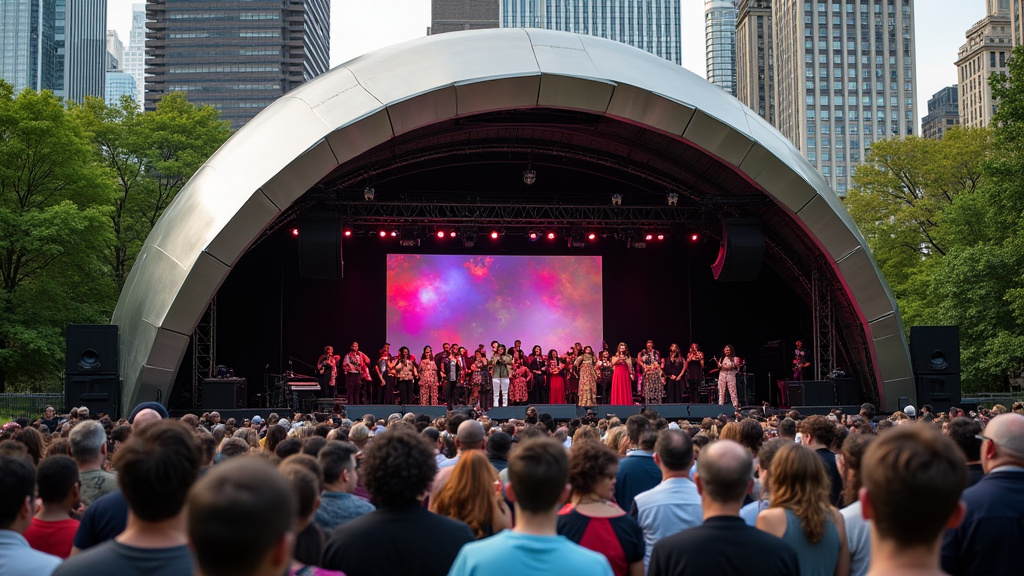
Beyond the screen, the festival acts as a significant economic driver for Chicago. From the bustling corridors of Millennium Park to the smaller, historic theaters dotting the North Side, the event draws thousands of visitors annually. This influx of tourism supports local businesses, restaurants, and hotels, creating a ‘festival economy’ that lasts well beyond the closing credits. Culturally, the festival serves as a bridge, allowing local Chicago filmmakers to stand shoulder-to-shoulder with international auteurs. This cross-pollination of talent is what makes the 62nd edition a landmark—it is a space where a first-time local director might premiere their short film in the same program as an Oscar-winning international visionary.
Curating the Future of Moving Images


Programming a festival of this size is a gargantuan task. The selection committee for the 62nd edition faced a record-breaking number of submissions, a testament to the continued relevance of the festival brand. The curatorial philosophy this year focuses on ‘The Human Lens’—a theme that prioritizes films exploring social connection, memory, and the evolving relationship between technology and human identity.
Global Premieres and Regional Premieres
The 62nd Chicago International Film Festival is structured to offer a tiered experience. It showcases high-profile ‘Red Carpet’ premieres that bring the allure of Hollywood to the city, but it balances these with quiet, intimate ‘Regional Premieres’ of foreign language films that might otherwise never see a wide release in the United States. This diversity in content is the festival’s greatest strength. By providing a platform for voices from underrepresented regions, the CIFF reinforces its commitment to global equity in cinema.
The Venue Strategy: A City Transformed
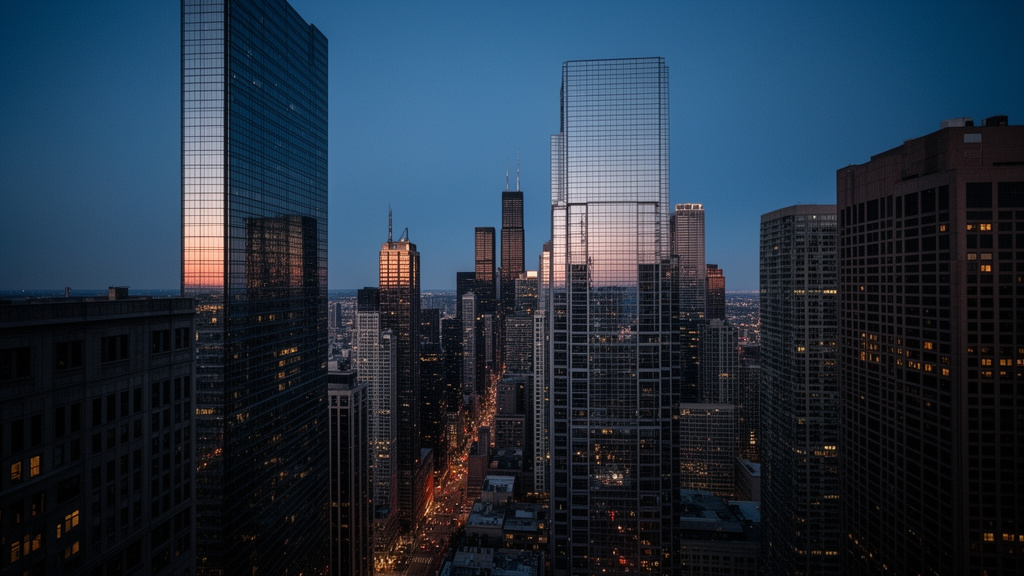
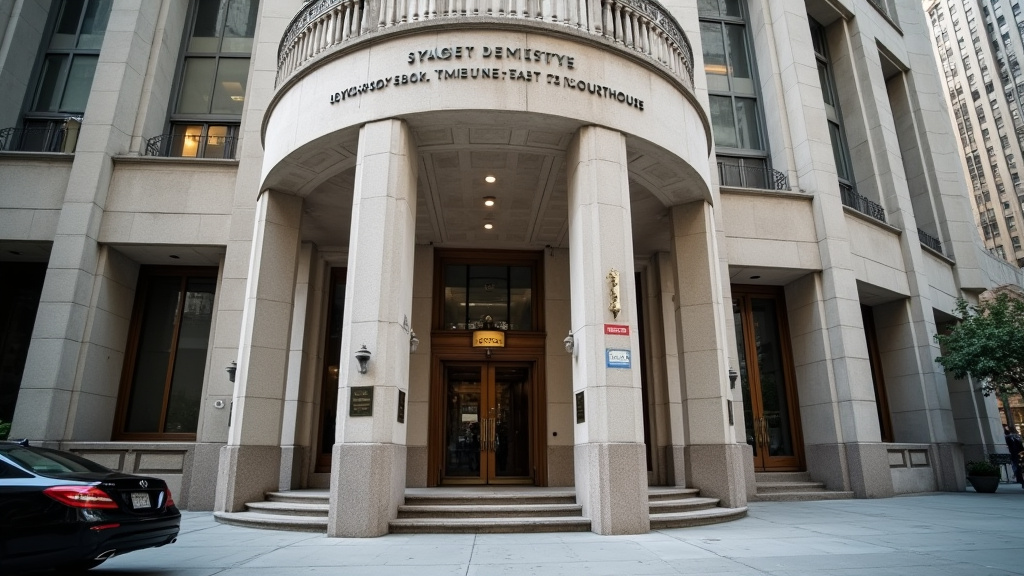
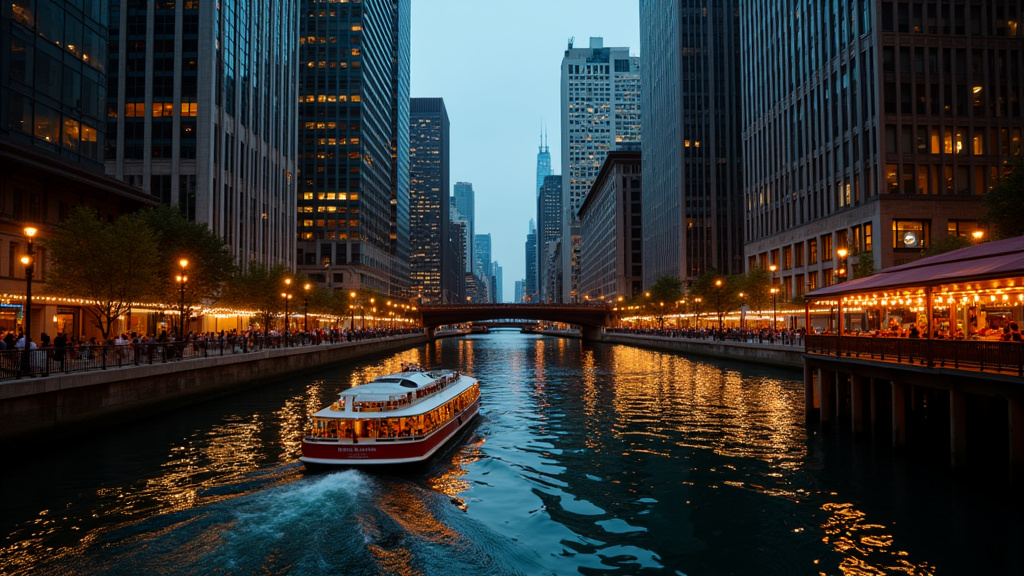
Unlike festivals located in a single ‘festival village,’ the Chicago International Film Festival is intrinsically tied to the geography of the city. By utilizing a mix of historic movie palaces and modern multiplexes, the festival invites attendees to experience Chicago through the lens of its architectural heritage. The 62nd edition has optimized its transit connectivity, encouraging attendees to travel between venues, effectively turning the city into a decentralized film campus. This logistical choice not only makes the festival more accessible but also integrates it into the daily life of Chicago residents, rather than isolating it as a gated event for the elite.
Looking Ahead: The Future of the Festival
As the festival concludes its 62nd iteration, organizers are already looking toward the future. Discussions about incorporating immersive media, virtual reality (VR) installations, and expanded educational workshops for students are at the forefront of the strategic plan. The festival is keenly aware that the next generation of audiences demands interactivity. By evolving while maintaining its core dedication to traditional, high-quality feature film, the 62nd edition is poised to secure its relevance for decades to come. Whether one is an avid cinephile or a casual viewer, the festival remains an essential stop on the cultural map of the United States.
FAQ: People Also Ask
Q: When is the 62nd Chicago International Film Festival taking place?
*A: The festival traditionally takes place annually in the autumn, spanning several weeks to accommodate the extensive lineup of local and global film premieres.
Q: Are there opportunities for public interaction with filmmakers?
*A: Yes. The 62nd edition emphasizes engagement, featuring Q&A sessions, panel discussions, and masterclasses where attendees can interact directly with directors, writers, and actors.
Q: Is the festival accessible for out-of-town visitors?
*A: Absolutely. The festival is designed to be user-friendly, with screenings across multiple accessible city locations and a comprehensive digital portal for ticket management and scheduling.
Q: What is the primary focus of this year’s programming?
*A: The 62nd edition focuses on ‘The Human Lens,’ highlighting diverse global narratives, social commentary, and a mix of avant-garde and traditional storytelling methods.