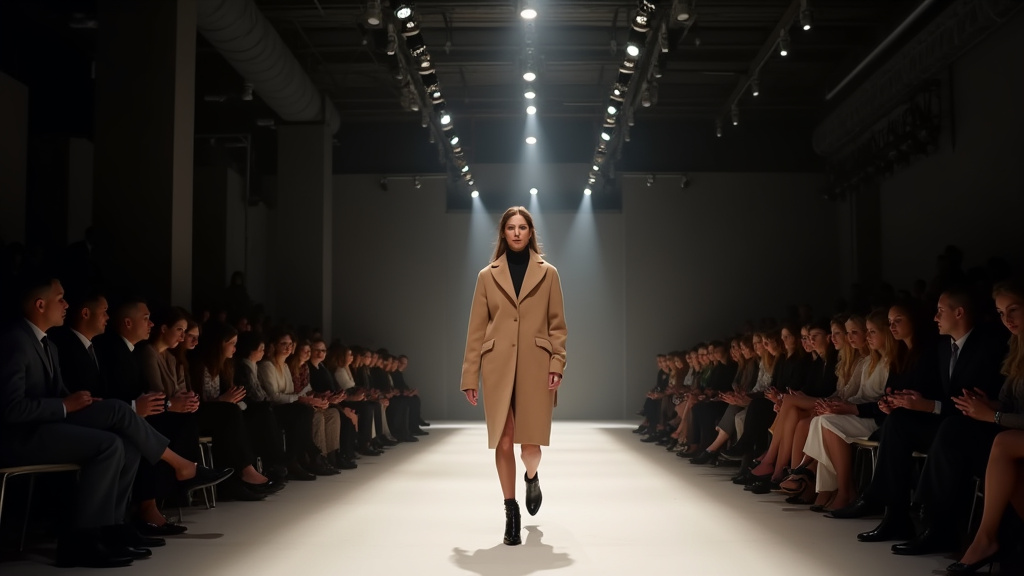
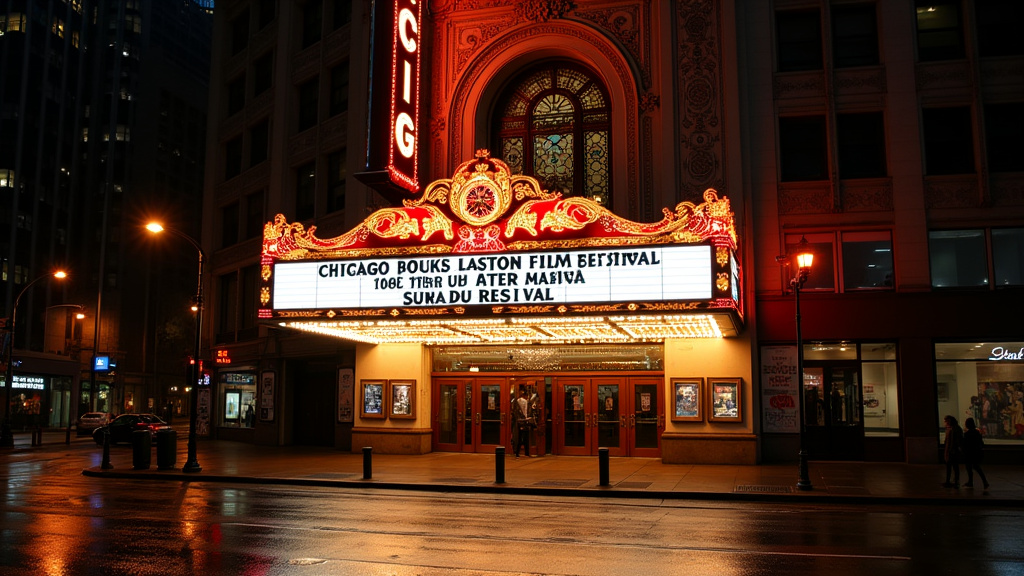
Chicago Fashion Week has officially cemented its status as a vital pillar of the Midwestern creative economy, returning for its third annual iteration with an ambitious, 11-day schedule that showcases the depth and diversity of local design talent. With a footprint encompassing over 80 events, the 2024 edition is moving beyond traditional runway models to create an immersive cultural experience that bridges the gap between historical fashion appreciation and the future of sustainable, high-end design.
Key Highlights
- Expansive Scope: The event features an 11-day lineup comprising over 80 distinct activations, ranging from runway shows to educational panels and networking mixers.
- Diverse Talent: A focal point of this year’s programming is the celebration of diverse design styles, shifting focus toward hyper-local creators who are redefining Chicago’s aesthetic identity.
- Sustainable Innovation: Emerging designers, notably exemplified by ‘Ambience’ by Thee Royale Collections, are prioritizing sustainable-style crochet and high-end streetwear, signaling a shift toward conscious consumption in local fashion.
- Economic Impact: The expanded schedule is designed to drive increased traffic to local Chicago boutiques, retail districts, and hospitality venues, highlighting fashion as a catalyst for urban development.
The New Vanguard of Chicago Fashion
For decades, the fashion narrative in the United States was largely dominated by the coastal poles of New York and Los Angeles. However, the third annual Chicago Fashion Week is effectively challenging this duopoly, offering a platform that prioritizes authentic Midwestern sensibilities over derivative trends. This year’s event is not merely a series of runway shows; it is a holistic exploration of the city’s relationship with style, heritage, and the modern consumer.
Redefining Midwestern Couture
What distinguishes the 2024 edition from its predecessors is a concerted effort to weave together Chicago’s rich history—often rooted in industrial utility and working-class aesthetics—with the avant-garde sensibilities of a new generation of designers. The curation team has prioritized a diverse array of voices, ensuring that the runway reflects the city’s actual population rather than a sanitized or homogenized version of it.
This demographic and aesthetic diversity is best observed in the operational approach of the event organizers. By breaking the schedule into 80+ events, they have allowed for a more granular engagement with different neighborhoods, effectively turning the city itself into a living fashion district. This decentralization is crucial; it prevents the event from feeling like an exclusive “members-only” club and instead invites the public to participate in the conversation around style.
Case Study: The ‘Ambience’ Factor




One of the most talked-about presentations this season has been ‘Ambience’ by Thee Royale Collections. This show encapsulated the current trajectory of local fashion, blending two seemingly disparate worlds: high-end streetwear and artisanal, sustainable crochet.
Streetwear has long been a staple of the Chicago scene, but its elevated, luxury-tier execution is a relatively newer phenomenon. When paired with the intricate, tactile nature of hand-crafted crochet, the resulting aesthetic—as seen on the ‘Ambience’ runway—creates a compelling narrative about slow fashion. The collection serves as a case study for how local designers are responding to global demands for sustainability without sacrificing the bold, graphic language that streetwear is known for. This marriage of texture and silhouette is likely to be a defining trend for the coming year, positioning Chicago designers as leaders in the “conscious luxury” space.
The Economic and Cultural Engine
Beyond the glitz of the runway, Chicago Fashion Week functions as a sophisticated economic engine. The fashion industry in Illinois contributes significantly to the state’s tax revenue and employment figures, yet it often lacks the centralized support systems found on the coasts. By institutionalizing an 11-day event, organizers are creating a predictable schedule that retailers, buyers, and international media can plan around. This professionalization is necessary to convert local creative talent into sustainable, scalable businesses.
Furthermore, the collaboration between designers and local manufacturing partners is creating a closed-loop system that reduces overhead and carbon footprints. As logistics costs for global fashion brands rise, the shift toward “made-local” apparel—championed by many of the designers featured this week—is proving to be not just an ethical choice, but a financially sound business model.
FAQ: People Also Ask
Q: What is the primary goal of the third annual Chicago Fashion Week?
A: The primary goal is to elevate Chicago’s status within the global fashion ecosystem by providing a formalized, 11-day platform for local designers to showcase their work, thereby driving economic growth and cultural tourism for the city.
Q: How does the event differ from previous years?
A: The 2024 edition is significantly larger, spanning 11 days and including over 80 events. This expansion allows for deeper community integration and a more diverse showcase of talent compared to the shorter, more centralized schedules of previous years.
Q: What trends are currently dominating the Chicago runway?
A: The major trends include a fusion of high-end streetwear with sustainable artisanal techniques, such as crochet. There is a clear move toward intentional, slow-fashion practices that emphasize local craftsmanship over mass production.
Q: Are these events open to the public?
A: Many events during Chicago Fashion Week are open to the public, designed to foster a sense of accessibility and engagement, though specific ticketed runway shows may require advanced purchase.