As the chill of autumn settles over the Midwest, the skies above Chicago are currently teeming with millions of migratory birds—a natural spectacle that, for many, ends abruptly against the glass of the city’s dense urban core. With the peak of the fall migration season now underway, a dedicated coalition of environmental advocates, architects, and urban planners is doubling down on efforts to pass a mandatory bird-friendly building ordinance. This legislative push, which has previously stalled in the face of municipal budget debates, seeks to cement Chicago’s status as a leader in sustainable urban design while addressing a mounting ecological crisis. The urgency is palpable; for every night that passes during this migration window, thousands of birds navigate the Mississippi Flyway, only to find the city’s illuminated, reflective architecture a fatal navigation hazard.
Key Highlights
- The Migration Bottleneck: Chicago is situated on the Mississippi Flyway, a critical migratory superhighway that funnels millions of birds through the city each spring and fall.
- Legislative Status: Proponents are lobbying the City Council to codify bird-friendly design standards into law, aiming to move beyond voluntary guidelines to mandatory requirements.
- The Core Conflict: While the ecological necessity is undisputed by ornithologists, the legislation has faced significant headwinds during recent budgeting cycles, with concerns raised regarding potential construction costs and regulatory oversight.
- Design Solutions: Proposed ordinances focus on ‘bird-safe’ treatments such as fritted glass, UV-patterned glazing, and strictly regulated night lighting during migration peaks.
Transforming the Urban Canopy: The Fight for Safe Passage
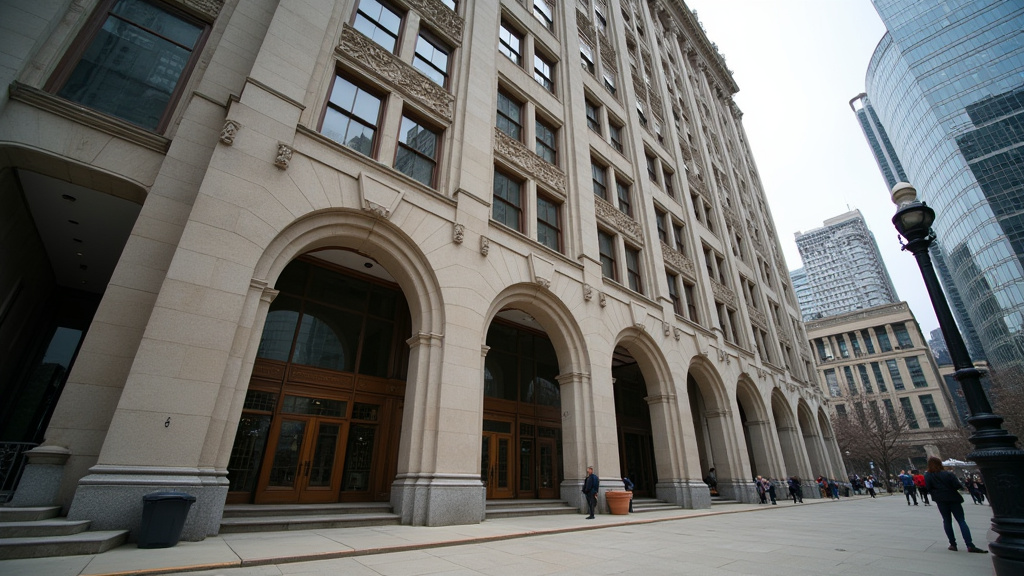
The fundamental issue at the heart of the proposed ordinance is the nature of modern architecture in Chicago. For decades, the trend toward expansive, floor-to-ceiling glass facades has turned the city’s skyline into a mirror that, to a bird, appears as open sky or dense forest. When combined with light pollution that disorients nocturnal migrants, Chicago’s urban density becomes a high-risk zone for species already struggling with habitat loss. The Chicago Bird Alliance and the American Bird Conservancy have long pointed to the data: collision statistics in dense urban environments are not merely anecdotes but a severe, quantifiable threat to biodiversity.
The Mississippi Flyway: A Continental Responsibility

Chicago’s geographical position is both its greatest asset and its biggest challenge. The Mississippi Flyway is the primary migratory route for nearly 40% of all North American waterfowl, shorebirds, and songbirds. As these birds move south for the winter, they rely on the city’s parks, such as the Lakefront Trail and the various forest preserves, as essential refueling stations. When these birds leave these sanctuaries and head into the downtown corridor, they enter a landscape that is fundamentally incompatible with their flight patterns. The proposed ordinance is not just an environmental ‘nice-to-have’; it is an acknowledgment that Chicago holds a disproportionate amount of responsibility for the continental health of these populations.
The Economic and Architectural Balancing Act
Opponents of the mandate have historically pointed to the ‘cost of compliance,’ arguing that strict glazing requirements could stifle development or increase the cost of housing and commercial space. However, advocates are pushing back with a new narrative: bird-friendly design is inherently sustainable design. By reducing the reliance on excessive night lighting, buildings can actually lower their energy consumption and carbon footprint. Furthermore, fritted glass and other treatments—which create visible patterns for birds without significantly obstructing human views—are increasingly becoming standard practice in the global architecture industry. The coalition argues that Chicago, a city known for its architectural innovation, should be leading this transition, not lagging behind it.
Navigating the Halls of Power
The legislative journey of the bird-friendly ordinance has been one of stop-and-start progress. In previous sessions, the bill has been sidelined by more pressing budget concerns, as the City Council focuses on fiscal policy, infrastructure, and public safety. To overcome this, the campaign is shifting its strategy, emphasizing the public support behind the measure. By tying the ordinance to broader goals of city sustainability and climate resilience, supporters hope to move the needle. The current goal is to ensure that the legislation is not just introduced, but prioritized on the committee docket before the current migration season concludes, providing a symbolic and practical victory for urban conservation.
FAQ: People Also Ask
Why is Chicago so dangerous for migratory birds?
Chicago sits directly on the Mississippi Flyway. The combination of intense night lighting, which draws birds into the city, and the widespread use of clear, reflective glass, which birds cannot perceive as a solid barrier, creates a high-frequency collision zone.
What does a ‘bird-friendly’ building look like?
These buildings often use glass with patterns—like stripes, dots, or UV-reflective films—that are visible to birds but barely noticeable to humans. They also feature down-shielded lighting to reduce sky-glow.
Is the ordinance limited to new construction?
Most proposals focus primarily on new construction and major renovations, as retrofitting existing towers is significantly more expensive and logistically complex. The ordinance aims to set a new baseline for future development.
How can citizens support the effort?
Advocates encourage residents to contact their local alderpeople, support local conservation organizations like the Chicago Bird Alliance, and participate in local ‘Lights Out’ initiatives during peak migration weeks.