The United Center prepares for a seismic shift in the rock landscape as Journey brings their expansive “Final Frontier Tour” to Chicago on October 5, 2026. This performance stands as a pivotal milestone in the band’s storied legacy, representing not merely a concert, but a testament to the enduring appeal of one of classic rock’s most influential entities. For fans in the Midwest, this event serves as a focal point for the 2026 touring season, underscoring Chicago’s reputation as a premier destination for global superstars and high-production musical experiences.
The Significance of the Final Frontier Tour

The “Final Frontier Tour” moniker carries significant weight within the Journey fandom. It evokes themes of exploration, legacy, and perhaps a subtle nod to the band’s decades-long journey through the music industry’s changing tides. Since their inception, Journey has defined the arena-rock genre, blending melodic sensibilities with technical prowess. As the band moves into this new cycle, the production value has been scaled to match the acoustic and visual requirements of venues like the United Center. Industry insiders suggest that this tour is designed to capture the quintessential Journey experience while integrating modern digital stagecraft, ensuring that iconic tracks like “Don’t Stop Believin'” and “Faithfully” resonate with the same emotional impact they held in the 1980s. The choice of the title reflects the band’s intention to push the boundaries of their live performance art, creating a spectacle that transcends the standard “greatest hits” show.
Why the United Center? The Chicago Connection
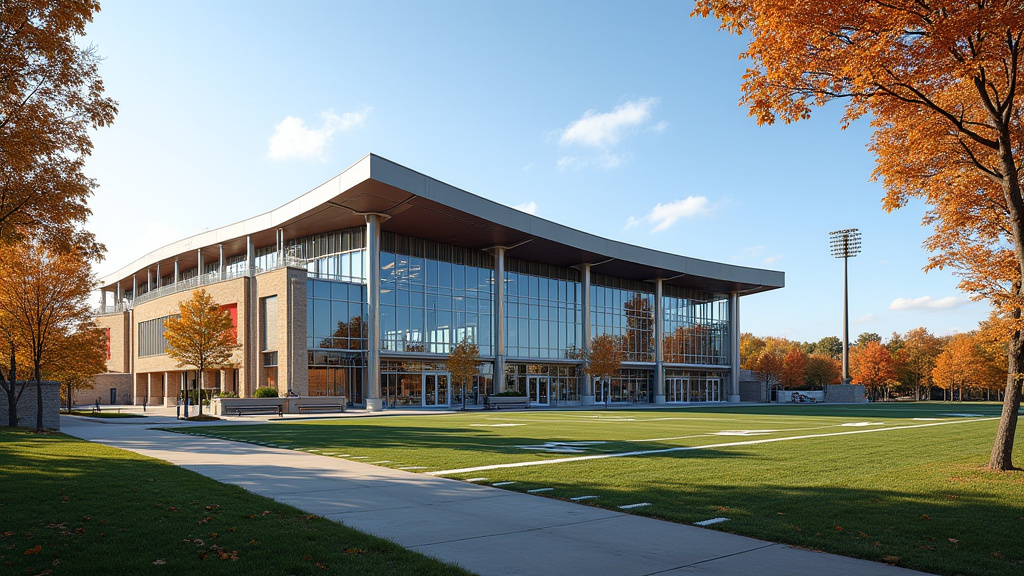
The United Center has long been the crown jewel of Chicago’s live entertainment ecosystem, and its selection for this October 5 date is strategic. With a capacity that allows for massive production setups, the venue provides the ideal backdrop for Journey’s elaborate stage design. Beyond the physical space, Chicago represents a critical market for the band. The city’s history of embracing blues-infused rock and radio-friendly melodic anthems aligns perfectly with the Journey aesthetic. Hosting the event in October also places it in a prime window for the venue, allowing for a climate-controlled, immersive environment that contrasts sharply with the unpredictable autumn weather outside. This venue choice facilitates a high-fidelity sound experience, crucial for a band known for the intricate interplay between Neal Schon’s guitar work and the band’s signature vocal harmonies. The logistics of the United Center—its accessibility, VIP facilities, and historical significance—make it the optimal “final frontier” for this specific stop on their itinerary.
Analyzing the Setlist and Performance Evolution
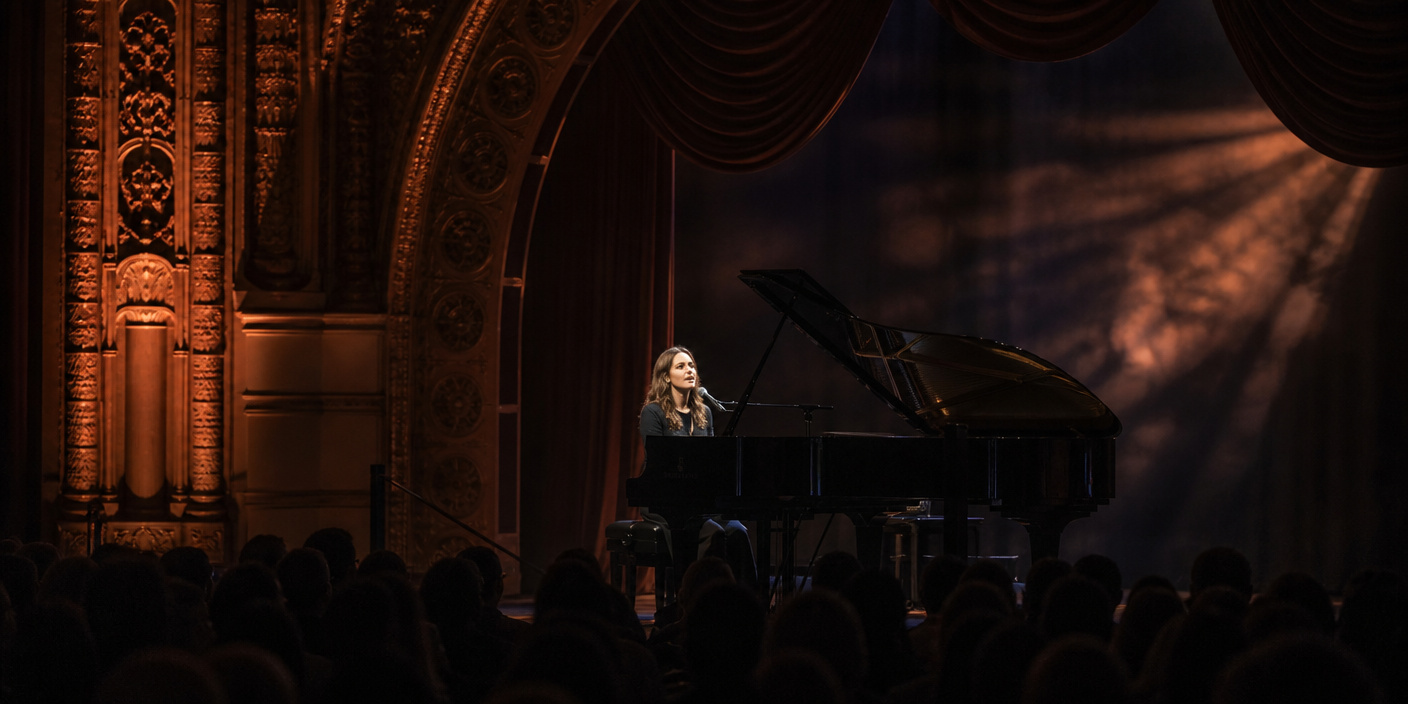
For the October 5 concert, anticipation centers on the setlist architecture. Unlike previous iterations of their tours, the “Final Frontier” setlist is expected to bridge the gap between deep cuts that cater to die-hard fans and the massive radio anthems that casual listeners expect. There is widespread speculation that the performance will utilize advanced visual narrative techniques, incorporating archival footage of the band’s history to create a chronological journey for the audience. The band has been meticulous about refining their sound, ensuring that Jonathan Cain’s keyboard arrangements remain crisp and powerful. The 2026 tour promises a fusion of technical precision and raw, unbridled rock energy. Fans can expect a performance that respects the original recordings while injecting the spontaneity that live improvisation allows. This evolution is vital for a legacy band: maintaining the integrity of the studio work while proving that the live act remains as relevant and vibrant as it was at the height of their commercial dominance.
Economic Impact and Cultural Legacy
The arrival of a touring giant like Journey in Chicago generates more than just ticket sales; it creates a ripple effect across the local economy. From hospitality and dining to transportation services, the “Final Frontier” tour acts as a stimulus for the Near West Side neighborhood surrounding the United Center. Local businesses often see a surge in pre-show foot traffic, and the event draws visitors from across the Midwest, bolstering tourism statistics for the city. Furthermore, the cultural legacy of Journey cannot be overstated. By consistently selling out massive arenas like the United Center, they prove that their music possesses a cross-generational appeal. The October 5 date will likely see a diverse crowd, ranging from original fans who saw the band in the 70s to younger generations who discovered the music through film, television, and digital streaming platforms. This demographic reach ensures that the “Final Frontier” is not just a concert, but a cultural convergence point, cementing Journey’s status as a perennial titan of the music industry.
Looking Toward the Future
As Journey proceeds through the “Final Frontier” tour, observers are watching closely to see what this signifies for the band’s long-term future. Whether this represents a final push or a new beginning, the dedication to providing top-tier live experiences remains consistent. The October 5 date in Chicago is widely expected to be one of the highlights of the tour, given the city’s enthusiasm and the venue’s world-class facilities. As we move closer to the date, ticket demand is anticipated to be at an all-time high, reinforcing the notion that even after decades of touring, the demand for high-quality, authentic rock performance remains insatiable. The band’s ability to remain at the top of the touring hierarchy is a testament to their adaptability, their business acumen, and, most importantly, the timeless nature of their songbook.