Chicago Fashion Week 2026 officially wrapped its 11-day residency on October 18, cementing a profound cultural shift in how major cities approach the fashion calendar. Departing from the high-exclusivity runway formats that dominated previous decades, this year’s edition championed designer education, sustainability, and the preservation of archival fashion history. The finale, characterized by hands-on programming, signals a new era for industry engagement in the Windy City.
Key Highlights
- Industry Pivot: A complete departure from exclusive runway modeling in favor of accessible, educational, and interactive workshops.
- 11-Day Residency: An expansive series of events held city-wide, engaging local artisans and national designers.
- The Finale: Capped by the ‘Extreme Embroidery’ workshop at Mood Fabrics, emphasizing tactile craft over spectacle.
- Educational Focus: Central pillars included archival history, sustainability practices, and community-driven design growth.
A Paradigm Shift: Redefining the Fashion Calendar
For decades, the concept of “Fashion Week” was synonymous with the unattainable: private, high-gloss runway shows reserved for a select coterie of editors, influencers, and buyers. Chicago Fashion Week 2026 has officially disrupted this archaic structure. By extending the programming to an 11-day format and decentralizing the events across the city, organizers successfully transformed a marketing exercise into a community-centric ecosystem. This year’s focus on sustainability and education was not merely a side-attraction but the core narrative. The shift reflects a growing consumer demand for transparency and a designer desire to reclaim the “craft” of fashion.
The Educational Imperative



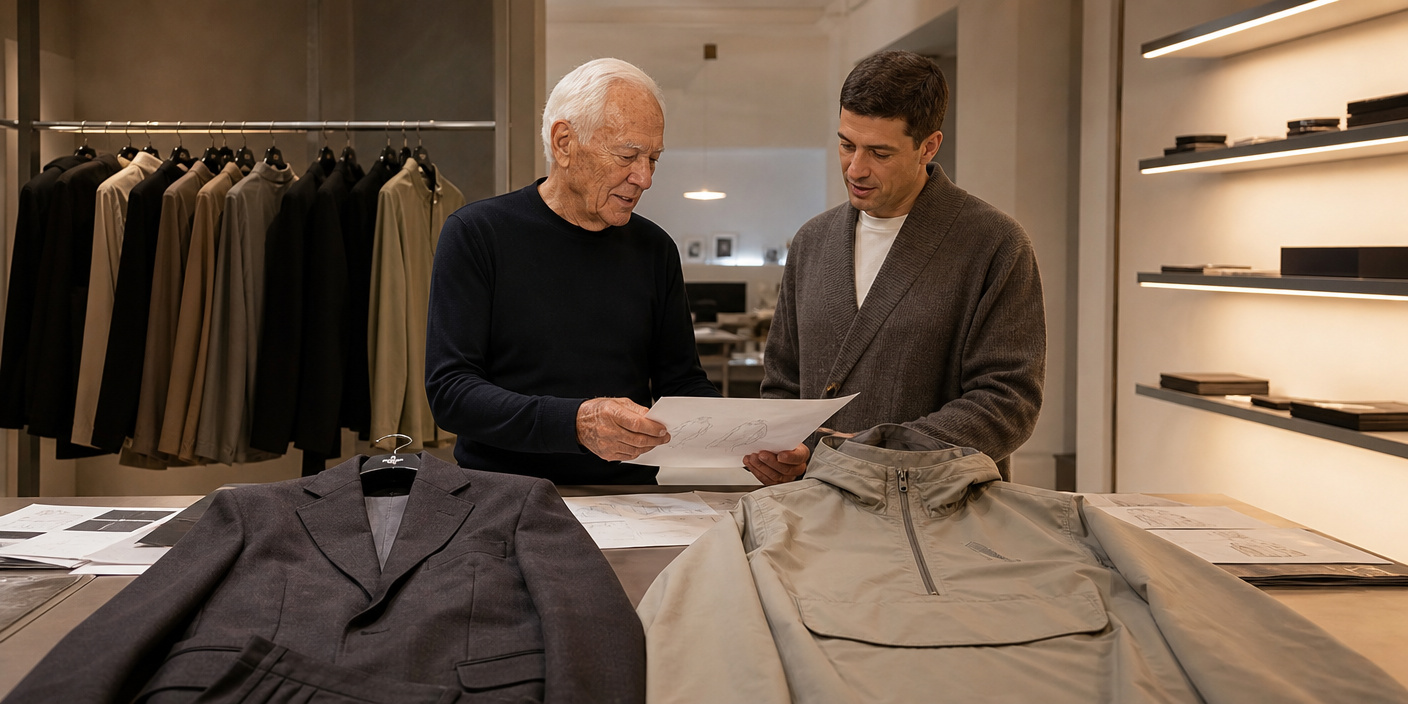
Unlike traditional formats that prioritize seasonal sales, Chicago Fashion Week 2026 leaned heavily into professional development. Designers, students, and enthusiasts attended masterclasses ranging from pattern drafting to the intricacies of supply-chain logistics. This educational focus serves as the bedrock for a more sustainable industry. By equipping the next generation of designers with the technical skills to repair, upcycle, and ethically source materials, Chicago is positioning itself as an incubator for long-term industry resilience rather than short-term consumption. The pedagogical approach is seen as a direct response to the “fast fashion” crisis, offering a tangible alternative to the disposable culture that has plagued the industry for the last two decades.
Archival Fashion as Modern Currency
One of the most compelling aspects of the 2026 schedule was the dedicated tracking of archival fashion history. Recognizing that modern innovation is often a reimagining of the past, curators organized deep-dive sessions that analyzed fabric composition, construction techniques, and the sociocultural impact of iconic designs. This emphasis on history served as a grounding force, reminding participants that fashion is a cumulative art form. By highlighting these archival pieces—and the techniques required to maintain them—the organizers effectively democratized expert knowledge, making high-level fashion analysis accessible to anyone willing to participate.
The Mood Fabrics Finale: A Community-Centric Conclusion
On the final day, October 18, the energy culminated in the highly anticipated ‘Extreme Embroidery’ workshop held at Mood Fabrics. This event was the perfect synthesis of the week’s goals: hands-on, community-driven, and intensely creative. Participants explored avant-garde embroidery techniques, moving beyond decorative sewing to understand how textile manipulation can structurally alter garments. The event provided a stark contrast to digital-only fashion previews, serving as a reminder of the physical, human labor required to create enduring clothing. By choosing to end the week with this specific programming, the CFW committee sent a clear message: the future of Chicago fashion is built on the hands of its people.
Economic and Cultural Implications
The decision to spread the event over 11 days across multiple city districts created a significant economic ripple effect. Local retailers, independent workshops, and neighborhood restaurants saw sustained traffic throughout the duration of the event, rather than the sharp, unsustainable spikes common with short-form fashion weeks. This decentralized strategy not only improved the local economy but also fostered a sense of city-wide inclusion. It moved the conversation away from “luxury” and toward “access,” inviting the general public to engage with the creative process. As global fashion capitals look for ways to revitalize their own flagging models, Chicago’s 2026 blueprint offers a viable, sustainable, and highly replicable strategy.
FAQ: People Also Ask
Q: What was the main takeaway from Chicago Fashion Week 2026?
A: The primary takeaway was a definitive shift from exclusive, runway-based events to educational, community-focused programming that prioritizes sustainability and artisan craftsmanship.
Q: Why was the ‘Extreme Embroidery’ workshop significant?
A: Held at Mood Fabrics on the final day, the workshop symbolized the event’s commitment to tactile, physical design skills, contrasting the digital-first or passive-viewing trends seen in other fashion capitals.
Q: Did the 2026 schedule impact the local economy?
A: Yes. By decentralizing the 11-day series across the city, organizers generated sustained foot traffic and revenue for local businesses, neighborhoods, and retail hubs, unlike the concentrated economic impact of traditional, shorter fashion weeks.