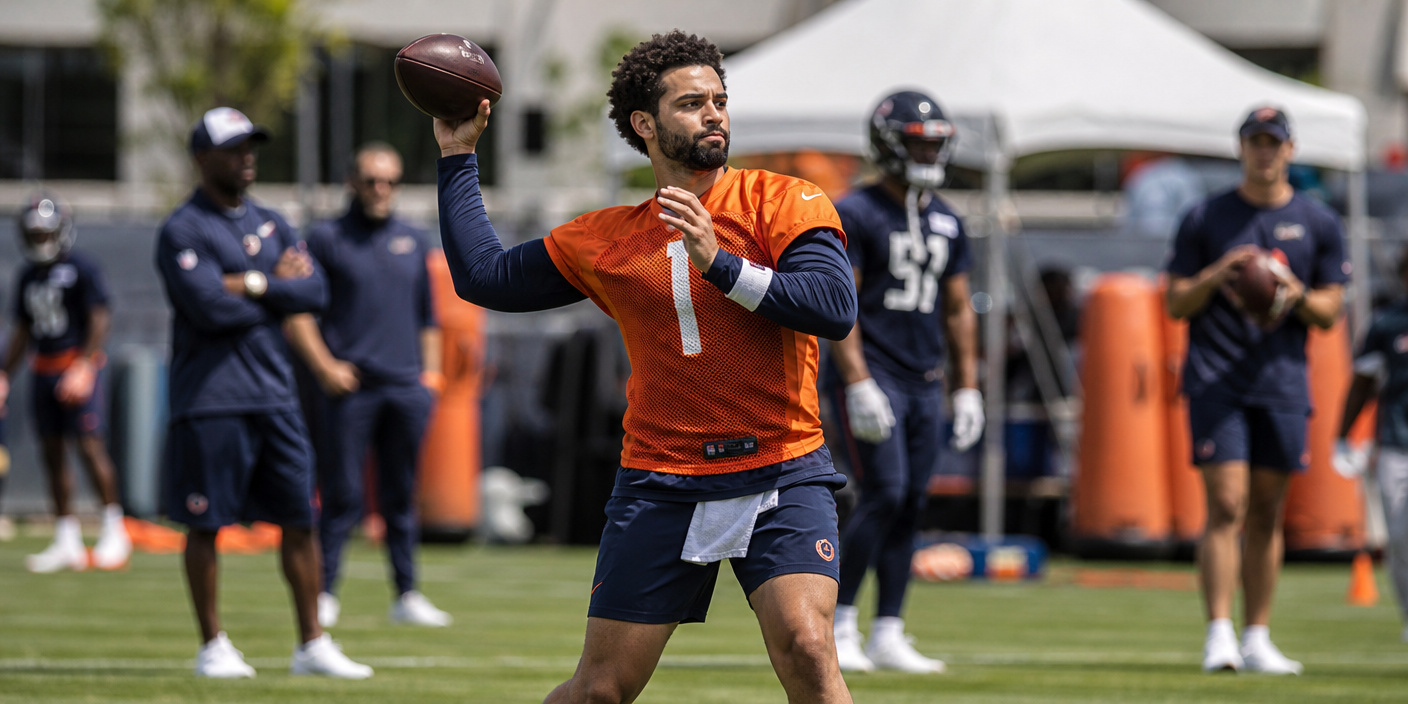
The Chicago Bears have received the news their fanbase has been waiting for: rookie quarterback Caleb Williams is trending toward a return for the crucial Week 6 matchup against the Atlanta Falcons on October 18. After suffering a nagging hamstring injury in Week 2, the dynamic playmaker has been undergoing a strict rehabilitation regimen, with medical staff now signaling that the recovery trajectory has reached a pivotal, positive inflection point. This update provides much-needed clarity for a Bears offense that has been forced to recalibrate during Williams’ absence.
Key Highlights
- Injury Timeline: Caleb Williams sustained a hamstring injury during the Week 2 contest, necessitating a cautious and phased recovery process to avoid long-term complications.
- Targeted Return: The medical staff and coaching personnel have circled the October 18 game against the Atlanta Falcons as the primary target for his return to the starting lineup.
- Recovery Progress: Williams has demonstrated positive signs of healing, including increased mobility in practice drills and a lack of setback during recent conditioning tests.
- Offensive Strategy: The Bears are expected to integrate a modified offensive game plan to protect the rookie signal-caller upon his return, focusing on quick release times and structured pocket protection.
The Strategic Implications of the Return
The return of a franchise quarterback is rarely just about the player’s health; it is a structural shift for the entire organization. When Caleb Williams exited the field in Week 2, the Bears’ offensive identity underwent a forced transformation. The coaching staff, led by offensive coordinator Shane Waldron, was required to pivot rapidly to a scheme emphasizing shorter, safer throws and a heavier reliance on the ground game to mitigate the limitations of the quarterback rotation. With Williams nearing his full capability ahead of the October 18 clash with the Atlanta Falcons, the team is now preparing to re-insert the vertical elements of their playbook.
The Anatomy of the Hamstring Rehabilitation
Hamstring injuries for mobile quarterbacks are notoriously difficult to manage. They require a delicate balance between explosive recovery and the risk of re-injury. Caleb Williams has been working extensively with the Bears’ high-performance training staff, focusing on eccentric strengthening and progressive agility work. Reports from the practice facility suggest that the most critical hurdle—accelerating from a static position to a sprint—has been cleared without the discomfort that plagued his initial recovery phase. This is the green light the coaching staff required to green-light his participation in team drills this week.
Impact on the Atlanta Falcons Matchup
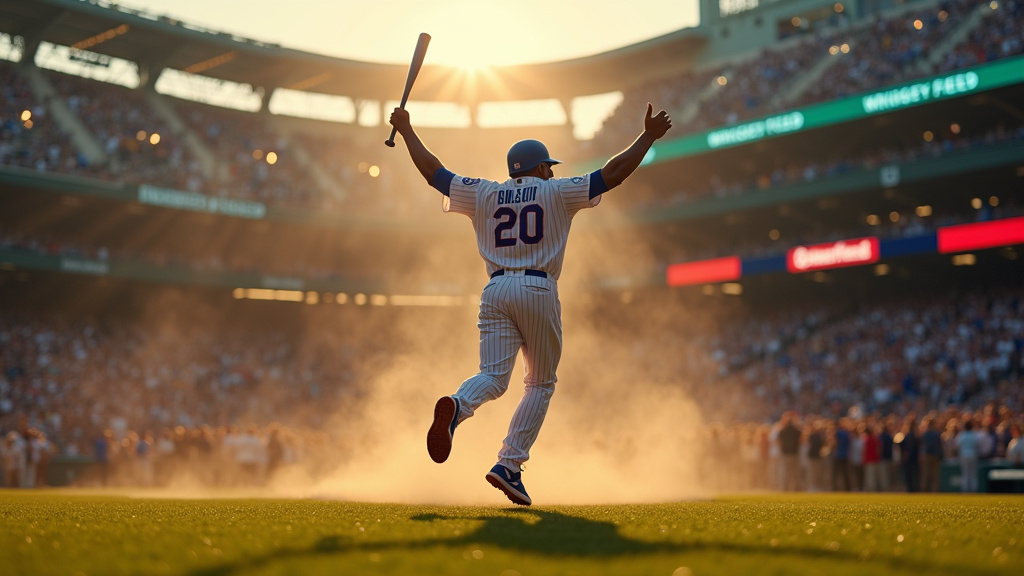


The matchup against the Atlanta Falcons represents a stiff test for a returning quarterback. The Falcons’ defensive front has been effective at disrupting timing-based offenses, making Williams’ mobility an essential tool. However, the Bears’ medical team is unlikely to risk a premature re-introduction. The expectation is that Williams will play under a managed pitch count, focusing on decision-making efficiency over scramble-heavy playmaking. This shift ensures that the Bears can capitalize on Williams’ arm talent while limiting the strain on his lower body during the initial phases of his return.
Secondary Angles: The Path Forward
1. Rookie Development and Mental Conditioning
For a rookie like Caleb Williams, the mental toll of an injury can be as significant as the physical one. Being removed from the game environment during the crucial early-season learning phase can disrupt a player’s acclimation to the speed of the NFL. This return is as much about restoring his rhythm and situational awareness as it is about his physical hamstring status. The team’s focus has been on film study and mental reps, ensuring that his processing speed remains sharp despite the physical layoff.
2. Offensive Line Protection Schemes
The offensive line has faced significant scrutiny throughout the season, and their performance will be amplified by Williams’ return. To protect the rookie, the line must execute high-level blitz pickups. We can expect to see an increased usage of tight ends and running backs in the protection scheme against Atlanta to provide Williams with the necessary safety net. The success of this game plan will determine whether the Bears can re-establish their offensive rhythm in the second quarter of the season.
3. The NFC North Playoff Picture
The Bears are operating within a highly competitive NFC North division. Every game is critical in the early season. The decision to bring Williams back for the October 18 game underscores the urgency the front office feels regarding their playoff ambitions. While patience is the mantra for the medical staff, the coaching staff knows that the team’s ceiling is strictly tethered to the availability and performance of their rookie sensation.
FAQ: People Also Ask
Q: What is the specific nature of Caleb Williams’ injury?
A: Williams is recovering from a hamstring injury suffered in Week 2. The rehabilitation has been focused on tissue repair and restoring explosive power, which is vital for his mobility-based playing style.
Q: Will there be a snap count for Caleb Williams against the Falcons?
A: While official game plans are rarely disclosed, it is highly probable that the Bears will implement a managed snap count or restrict designed run plays to minimize the risk of re-aggravating the injury in his first game back.
Q: How does this injury impact his long-term mobility?
A: Medical experts and the Bears’ training staff have indicated that with the current conservative recovery timeline, there is no expectation of long-term impairment. The goal of the extended rest was specifically to prevent chronic issues.
Q: What does this mean for the backup quarterback?
A: The backup quarterback has been instrumental in keeping the offense afloat during the interim. Their role will now shift back to primary support, ensuring they remain ready should the game flow necessitate a change or if there is any unforeseen setback during the game.