Chicago’s independent music scene erupts today as CIVL Fest 2026 officially launches, transforming the city into a sprawling stage for over 40 diverse performances across ten days. Organized by the Chicago Independent Venue League (CIVL), this citywide festival spotlighting independent venues brings together local and international talent to celebrate the heartbeat of Chicago’s cultural ecosystem.
Key Highlights
- Citywide Kickoff: The festival officially runs from April 16 through April 25, 2026, activating venues across multiple Chicago neighborhoods.
- Venue Diversity: Featuring over 40 unique shows hosted across Chicago’s essential independent music spaces, ranging from intimate clubs to storied concert halls.
- Cultural and Economic Impact: A strategic effort by the Chicago Independent Venue League to bolster local arts, advocate for fair policies, and drive economic resilience within the grassroots cultural sector.
- Curated Lineup: The programming balances a mix of local Chicago gems, high-profile international acts like The Wailers, and industry-focused community panels.
Revitalizing the Sound of the City: The CIVL Fest Ecosystem
When the first chords strike at the opening events of CIVL Fest 2026, it represents far more than just a series of concerts; it serves as a massive, synchronized statement about the survival and importance of the independent venue ecosystem. In an era increasingly dominated by massive corporate promoters and mega-stadium tours, the Chicago Independent Venue League (CIVL) has carved out a necessary space for the ‘middle class’ of the music industry—the independent venues that serve as the true incubators for artistic development.
The Architecture of Independence
The festival operates on a decentralized model, rejecting the idea of a singular ‘festival grounds’ experience. Instead, it utilizes the existing infrastructure of the city—historic venues like Lincoln Hall, the Avondale Music Hall, and the diverse tapestry of spaces within the CIVL coalition. This approach achieves two critical goals: it minimizes the overhead of constructing temporary festival stages and, more importantly, it injects revenue directly into the small businesses that keep Chicago’s cultural life humming year-round.
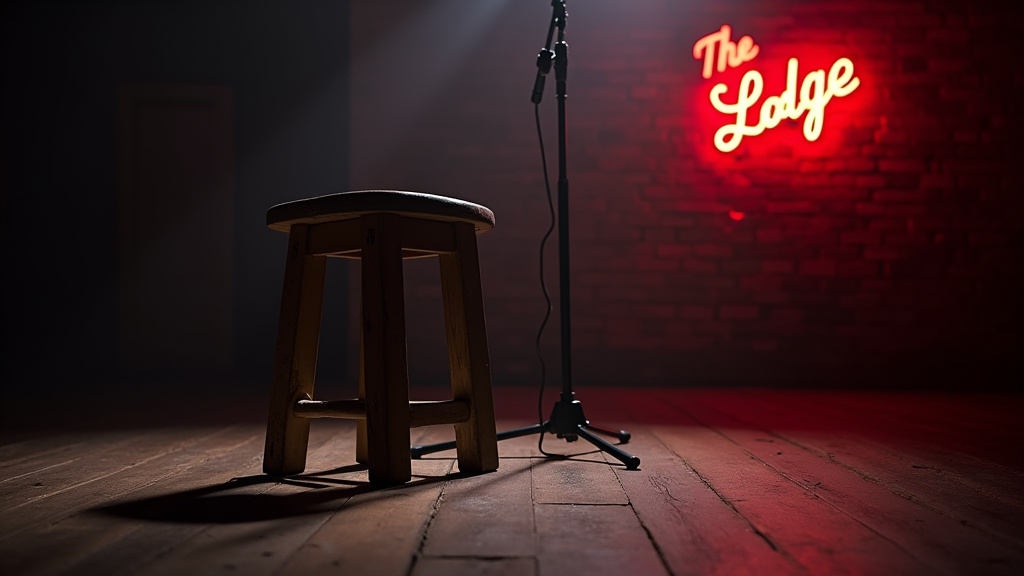
These venues are more than brick and mortar; they are cultural institutions. By focusing the 2026 festival on these specific sites, the event organizers are effectively mapping the cultural topography of the city. Attendees aren’t just seeing a show; they are visiting the spaces that foster local musicians, provide jobs for local sound engineers, and house the city’s burgeoning comedy and arts scene. The ‘CIVL Fest’ brand has effectively become a stamp of authenticity, signaling to audiences that the revenue generated will support local workers and independent ownership, rather than funneling exclusively into national corporate chains.
Economic Ripples in the Neighborhoods
The economic impact of CIVL Fest 2026 extends well beyond the ticket sales of the individual venues. Urban economists have long noted the ‘multiplier effect’ of independent arts venues; patrons who attend a show at a venue on a quiet weeknight are significantly more likely to visit local restaurants, bars, and retail shops in the surrounding neighborhood. By spreading the festival across ten days and dozens of locations, CIVL is intentionally maximizing this economic ripple effect, ensuring that the vibrancy of the festival is felt in the wider Chicago metropolitan area.


This year’s scheduling is particularly strategic. By hosting events on both weekdays and weekends, the festival provides a mid-April economic boost during a period that often lacks massive city-wide draws. It provides a blueprint for other cities—such as Austin, Nashville, or Seattle—that are struggling to maintain the viability of their own independent venue circuits in the face of skyrocketing urban property values and aggressive competition from commercial entities.
The Balancing Act: Local Roots vs. Global Reach
A critical component of the 2026 festival is its delicate balance of programming. The lineup includes a mix of hyper-local Chicago acts—the musicians who perform on the city’s stages on a weekly basis—and legacy acts like The Wailers. This curation is intentional. Including a legacy act like The Wailers provides a guaranteed draw, attracting a demographic that might not otherwise explore the indie club circuit. Once inside, that audience is exposed to the unique venue environment and the potential of future shows.
However, the backbone of the festival remains the local talent. This is where the ‘independent’ nature of the league shines. These venues are tasked with identifying, booking, and showcasing talent that represents the next wave of Chicago music. This creates a feedback loop: young artists get to play on stages with professional sound setups and larger audiences, gaining the experience and exposure necessary to move to the next level of their careers. The festival acts as a professional development pipeline, proving that the independent sector is essential for the health of the broader music industry.
Challenges and Future Predictions
Despite the excitement surrounding the launch, the independent venue sector faces significant hurdles. The 2026 landscape is defined by rising insurance costs, labor shortages, and the persistent challenge of maintaining historic buildings. CIVL Fest 2026 serves as a pilot for long-term sustainability. If this year’s festival achieves its attendance and revenue goals, it will likely provide the necessary leverage for the league to lobby for further municipal support and cultural funding.
Looking toward the future, we can predict that independent venue leagues will become more aggressive in their branding. Expect to see more ‘festival-as-a-product’ models appearing in other major metropolitan hubs. Furthermore, the role of these venues as community hubs will continue to expand. We are already seeing the integration of panels, workshops, and community-focused programming within the festival schedule. This transition from ‘concert venue’ to ‘cultural hub’ is essential for long-term relevance. In the coming years, expect venues to act more like community centers, hosting everything from day-time creative workshops for youth to industry networking events, further embedding them into the fabric of the city’s social infrastructure.
FAQ: People Also Ask
Q: What is the primary purpose of CIVL Fest?
A: CIVL Fest is designed to highlight and support Chicago’s independent music and performing arts venues, providing an economic boost to these businesses while showcasing a mix of local and international talent.
Q: How many venues are participating in the 2026 festival?
A: The festival features over 40 unique shows hosted across a variety of participating independent venues across Chicago, offering a city-wide experience rather than a single-site event.
Q: Can I buy tickets for individual shows, or do I need a pass?
A: The festival is structured around individual show tickets, allowing attendees to curate their own experience across the different venues, though many shows are expected to sell out quickly due to the high volume of interest.
Q: Is CIVL Fest an annual event?
A: Yes, CIVL Fest operates as a signature event for the Chicago Independent Venue League, designed to be a recurring cultural touchpoint that celebrates the city’s independent venue sector annually.