The landscape of portable cinematography shifted irrevocably today as GoPro officially unveiled the Mission 1 Series, a bold reimagining of the brand’s identity that elevates it from a rugged action-camera manufacturer to a powerhouse in compact cinema technology. By bridging the gap between extreme sports durability and high-end mirrorless performance, GoPro is positioning its new 8K-capable, GP3-powered lineup as the ultimate tool for a new generation of creators who demand cinema-grade footage in any environment.
This launch, coming alongside significant advancements in the broader creative tech space including Adobe’s new Firefly AI Assistant and the Lumio Vision 9 display ecosystem, marks a pivotal moment for 2026. GoPro’s move is not just a hardware iteration; it is a calculated strike at the professional market, challenging the ubiquity of bulkier setups with a modular, 50-megapixel powerhouse.
Key Highlights
- Revolutionary GP3 Processor: A 5nm architecture chip featuring a dedicated AI Neural Processing Unit (NPU) for real-time image enhancement, thermal management, and advanced computational video.
- 8K Cinema Capability: The flagship Mission 1 Pro supports 8K60 video recording, enabling immense flexibility in post-production cropping and reframing.
- Interchangeable Lens System: The Mission 1 Pro ILS variant introduces a Micro Four Thirds (MFT) mount, allowing users to tap into an expansive ecosystem of professional-grade optics.
- Professional Workflow Integration: Features like 10-bit GP-Log2, timecode sync, 32-bit float audio, and Live Protune Metering bring the device in line with industry-standard cinema cameras.
- Rugged Versatility: Despite the professional specs, the cameras maintain GoPro’s signature waterproofing (up to 20m) and rugged build, ensuring high-fidelity capture in previously inaccessible conditions.
The Evolution of the Action-to-Cinema Pipeline
For nearly two decades, the term “GoPro” was synonymous with the POV (point-of-view) action shot—wide, fisheye, and inherently consumer-focused. With the Mission 1 Series, that paradigm is officially obsolete. GoPro has clearly identified that the modern creator’s workflow has evolved. Today’s filmmakers—ranging from travel vloggers to documentary shooters—are no longer satisfied with “good enough” quality; they require the high-bitrate flexibility, dynamic range, and lens versatility of professional mirrorless cameras, but without the payload that comes with cinema rigs.
The GP3 Advantage: AI at the Edge
At the heart of the Mission 1 ecosystem is the GP3 processor. While previous iterations improved sensor readout speeds and stabilization, the GP3 represents a leap into edge computing. The integrated AI Neural Processing Unit is the true engine here, managing the intense data throughput required for 8K60 recording and 10-bit GP-Log2 processing.
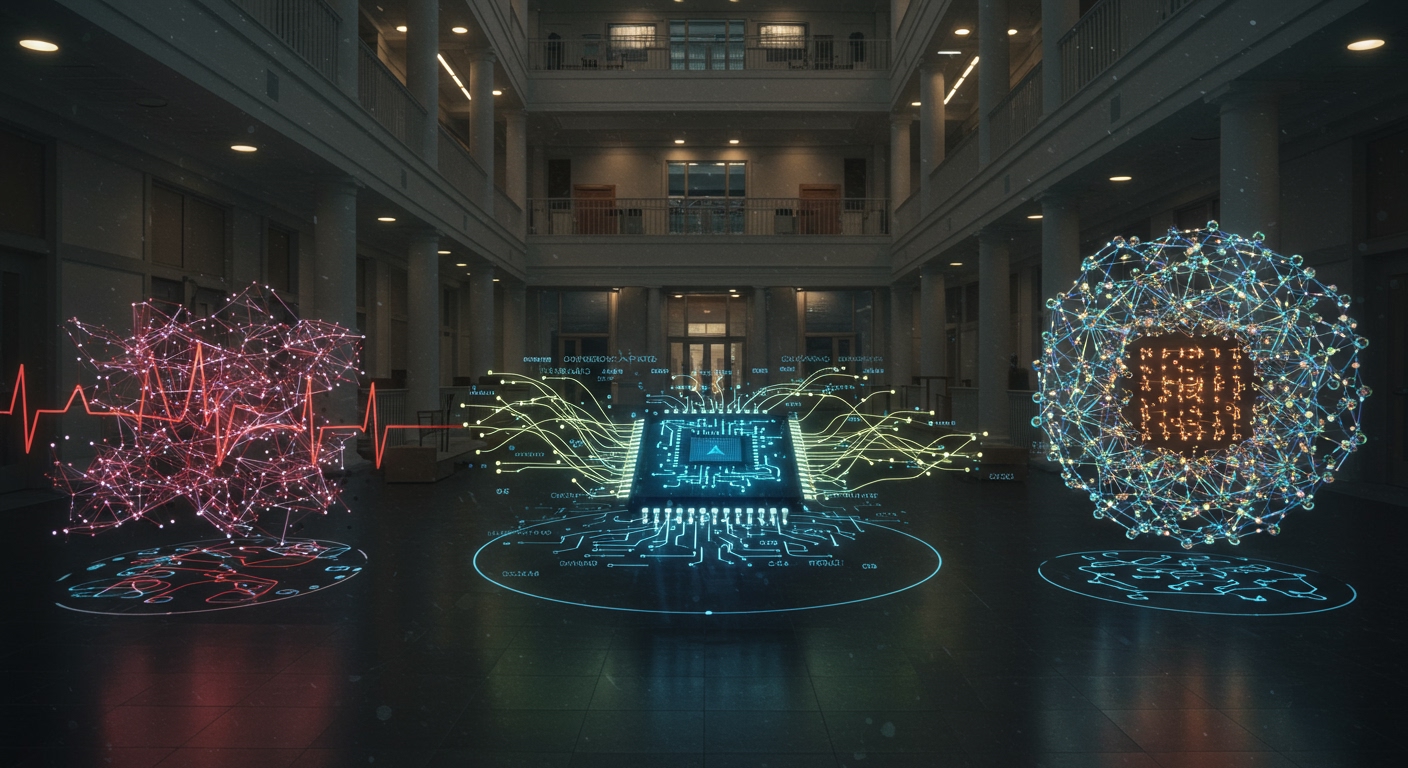



This chip isn’t just about raw speed; it’s about intelligence. The NPU facilitates real-time scene analysis, adjusting exposure, white balance, and noise reduction on a per-frame basis. This allows for computational photography features that were previously impossible in such a small form factor, such as the 50MP sensor’s ability to perform high-speed HDR processing and 60fps burst shooting without heating failures—a perennial Achilles’ heel of compact high-resolution cameras. By optimizing thermal efficiency at the silicon level, the GP3 allows for extended runtimes that finally challenge traditional camcorders.
Modular Design and the ILS Breakthrough
Perhaps the most significant announcement is the Mission 1 Pro ILS (Interchangeable Lens System). By adopting the Micro Four Thirds mount, GoPro has effectively opened the door for cinematographers to use their existing glass—from wide-angle primes to telephoto zooms—on a camera body that fits in a jacket pocket.
This architectural pivot solves the single biggest complaint from creative professionals: the inability to achieve shallow depth-of-field and artistic bokeh with a fixed-lens system. With the ILS, users can mount classic primes, offering a creative latitude that rivals cameras five times the price. This modularity extends to the ecosystem, with a new Media Mod, Wireless Mic System, and the Volta 2 battery grip, turning the camera into a scalable production platform.
Market Disruption and Future Implications
GoPro’s aggressive shift into the cinema space places it in direct competition with smaller-frame mirrorless leaders like DJI, Sony, and Panasonic. The industry trend toward “small-is-big”—where high-end, compact, AI-assisted hardware is preferred over bulky, legacy systems—is now the dominant narrative.
Looking ahead, the integration of these devices with software ecosystems like Adobe’s Firefly AI Assistant will likely be the next frontier. Imagine a workflow where 8K footage captured on a Mission 1 Pro is automatically ingested, analyzed, and color-graded by AI agents before the creator even touches a keyboard. By releasing the Mission 1 Series today, GoPro is not just selling hardware; they are securing their place as a foundational layer in that future AI-driven production stack.
FAQ: People Also Ask
Q: When can I buy the GoPro Mission 1 series?
A: Pre-orders for the Mission 1 and Mission 1 Pro open on May 21, 2026, with global availability beginning May 28, 2026. The Mission 1 Pro ILS and specialized creator bundles are expected to arrive later in Q3 2026.
Q: Will existing GoPro lenses work with the Mission 1 Pro ILS?
A: The Mission 1 Pro ILS uses a Micro Four Thirds (MFT) mount, which is distinct from the fixed lens systems of previous GoPros. You will need MFT-compatible lenses or adapters to utilize the interchangeable system.
Q: Does the GP3 processor improve battery life?
A: Yes. Thanks to the 5nm architecture and optimized power management of the GP3 chip, the new Enduro 2 battery is rated for 5+ hours of 1080p recording and 3+ hours of 4K30 recording, a significant improvement over previous generations.
Q: How does this compare to a standard mirrorless cinema camera?
A: While standard mirrorless cameras often feature larger sensors (APS-C or Full Frame), the Mission 1 Series offers a unique value proposition by providing 14 stops of dynamic range and 8K capability in a vastly more portable, waterproof, and rugged chassis, making it ideal for unique angles and extreme environments where bulky cameras cannot go.