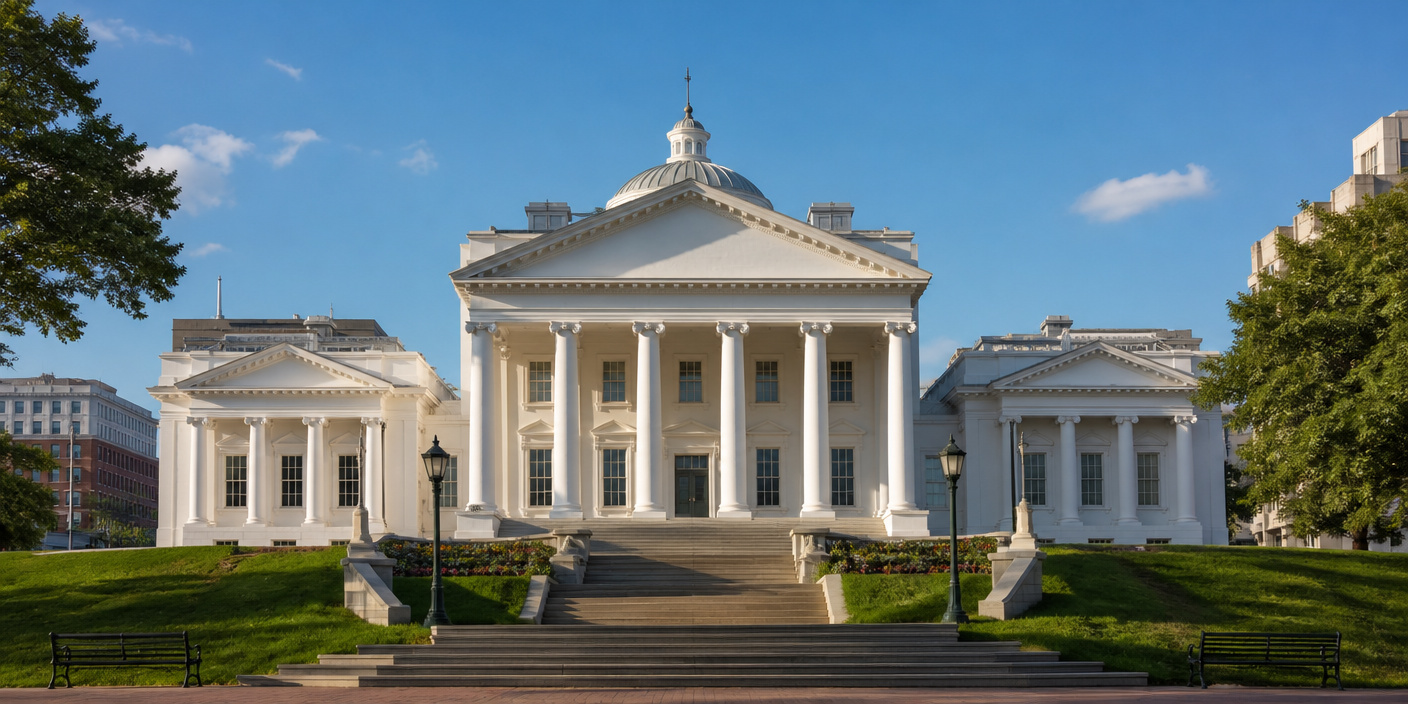
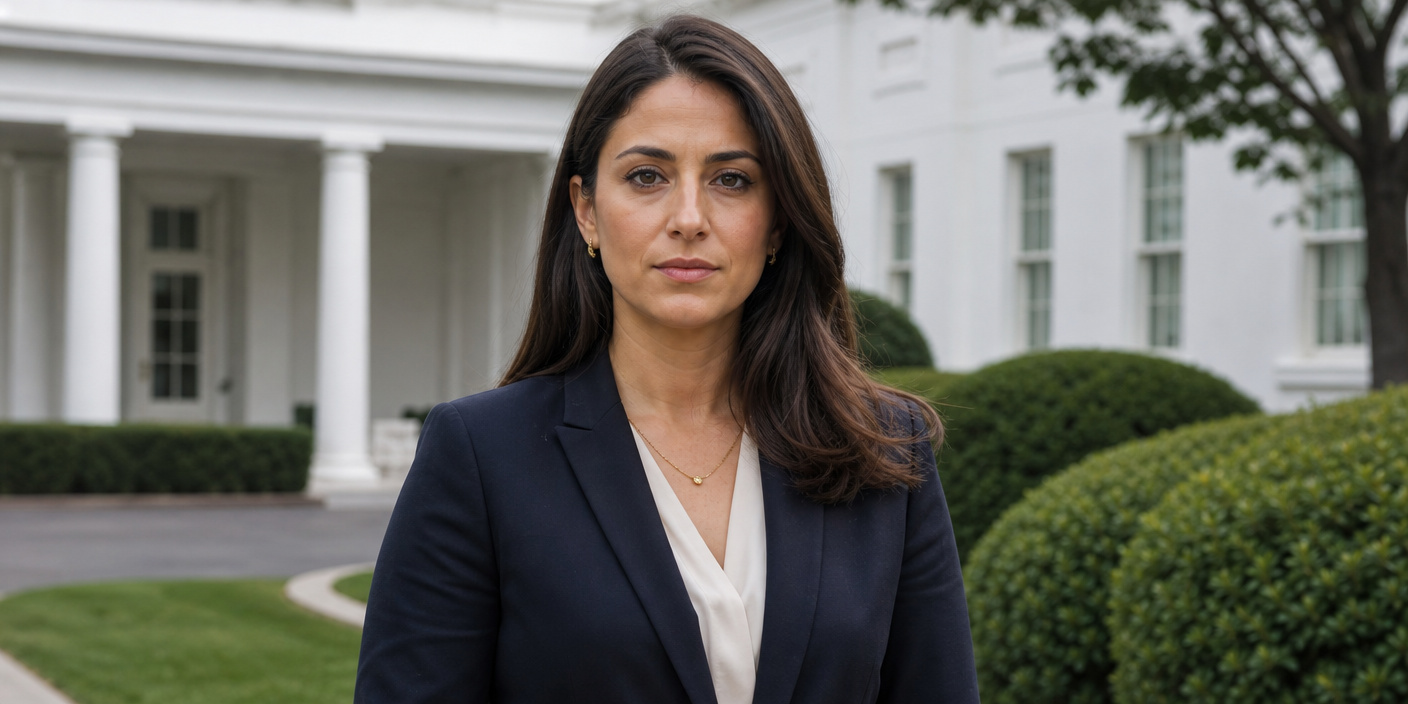
Governor Kathy Hochul has issued a formal mandate for enhanced security protocols across New York State, triggering a heightened alert status for the New York State Police in anticipation of the Jewish High Holy Days. This directive comes as state and local officials express deep concern over an ongoing, significant surge in antisemitic hate crimes, a trend that has persisted with increased intensity following the October 7, 2023, attacks in Israel. The governor’s order aims to provide a robust layer of protection for synagogues, Jewish schools, community centers, and religious gatherings throughout the state.
Key Highlights
- Heightened Surveillance: Governor Hochul has directed the New York State Police to maintain an increased presence at sensitive locations, including houses of worship and cultural institutions, during the period surrounding Rosh Hashanah, Yom Kippur, and Sukkot.
- Counter-Terrorism Integration: The State Police Counter-Terrorism Unit and intelligence analysts are coordinating directly with local law enforcement and the FBI to monitor potential threats and share real-time security data.
- Strategic Partnerships: The mandate involves an expansion of the collaboration between state agencies and local Jewish community security organizations, ensuring that specific threat vectors are communicated rapidly.
- Financial Support: The administration is leveraging existing nonprofit security funding programs to ensure organizations have the necessary physical and electronic resources to bolster their own defenses.
Safeguarding New York’s Jewish Communities
The decision to escalate security measures arrives at a critical juncture for New York, which is home to the largest Jewish population outside of Israel. Governor Hochul’s announcement signifies a strategic shift from routine holiday patrol coverage to a proactive, threat-informed security stance. This response is not merely symbolic; it is a tactical deployment designed to mitigate the risks of violence, intimidation, and vandalism that have statistically increased over the last twelve months.
The Threat Environment and Data-Driven Policing
According to recent data provided by the New York Police Department (NYPD) and statewide crime statistics, reports of antisemitic incidents have seen a sharp, consistent uptick since late 2023. These incidents range from graffiti and harassment to more severe threats against individuals and institutions. The Governor’s office has emphasized that the State Police will be working under a ‘heightened awareness’ framework. This means that patrol officers are not only tasked with physical guarding but also with analyzing intelligence reports that filter through the state’s counter-terrorism apparatus.
By leveraging the State Police’s specialized units, the administration aims to identify and intercept threats before they materialize. This includes a heightened monitoring of online activity, social media threats, and suspicious behavior near Jewish landmarks. The integration of the New York State Intelligence Center (NYSIC) into this security plan allows for a more fluid exchange of information between federal authorities, state troopers, and local precincts, ensuring that no potential warning sign is ignored.
The Logistics of Protection



Effective security for the High Holy Days requires a multi-faceted approach that balances public safety with the sanctity of religious observance. The deployment involves:
- Uniformed and Plainclothes Patrols: A mix of visible deterrents—marked patrol cars and uniformed officers—combined with undercover operations to maintain a low-profile yet effective watch over crowds.
- Liaison Programs: State officials have been engaged in continuous dialogues with leaders of Jewish institutions to understand their specific vulnerabilities. This creates a two-way flow of information, allowing institutions to report suspicious activity directly to a designated police liaison.
- Resource Allocation: Beyond personnel, the state has facilitated access to defensive technology, such as improved surveillance cameras and secure access control systems, supported by the New York State Division of Homeland Security and Emergency Services.
Economic and Social Impact of Security Mandates
While the primary goal of Governor Hochul’s directive is safety, there is an underlying economic and social necessity. The constant threat of hate crimes places an undue burden on private religious and community organizations. Many of these institutions must divert funds from social, educational, or religious programming toward security guards and reinforced infrastructure. The state’s commitment, therefore, serves as both a physical safeguard and a form of economic relief, allowing these organizations to focus on their core missions during a time of celebration and reflection.
Furthermore, the psychological impact of seeing a visible police presence during holidays like Rosh Hashanah is nuanced. For many community members, it provides a sense of reassurance and government acknowledgment of the risks they face. For others, it serves as a stark reminder of the fragile security environment. The administration has sought to strike this balance by keeping operations professional, respectful, and integrated into the fabric of the community’s daily life, rather than overwhelming or intrusive.
Historical Context and Future Outlook
New York has a long history of protecting religious liberty and managing inter-community tensions. However, the current landscape is unprecedented in its digital reach and international connectivity. Modern security strategies must account for ‘lone-wolf’ threats fueled by online radicalization, which are significantly harder to track than organized groups. The state’s move to increase security for this specific holiday period is a direct response to this modern reality. Looking forward, the administration plans to continue these collaborative security efforts, acknowledging that the fight against antisemitism and hate speech is a long-term endeavor that requires more than just temporary measures.
FAQ: People Also Ask
1. Does this security mandate cover the entire state of New York?
Yes, the directive issued by Governor Hochul applies statewide. While high-density areas like New York City receive specific attention due to population concentration, the New York State Police are coordinating efforts in every region, from the Hudson Valley to Upstate New York, to ensure all communities are protected.
2. Will this security presence be permanent?
This particular surge is focused on the High Holy Days period. However, the Governor’s office has committed to ongoing vigilance and has established a permanent framework for coordinating with Jewish community leaders, noting that the threat environment remains elevated and dynamic.
3. How can community institutions report a threat?
Institutions are encouraged to contact their local law enforcement agencies immediately upon identifying suspicious behavior. Additionally, the New York State Division of Homeland Security and Emergency Services provides resources and reporting mechanisms for religious and non-profit organizations to share intelligence securely.
4. Is there funding available for Jewish institutions to improve their own security?
Yes, New York State offers competitive grants for non-profit organizations, including religious institutions, to bolster physical security. These funds are intended for improvements like hardened doors, video surveillance systems, and alarm infrastructure, designed to prevent and deter potential hate crimes.