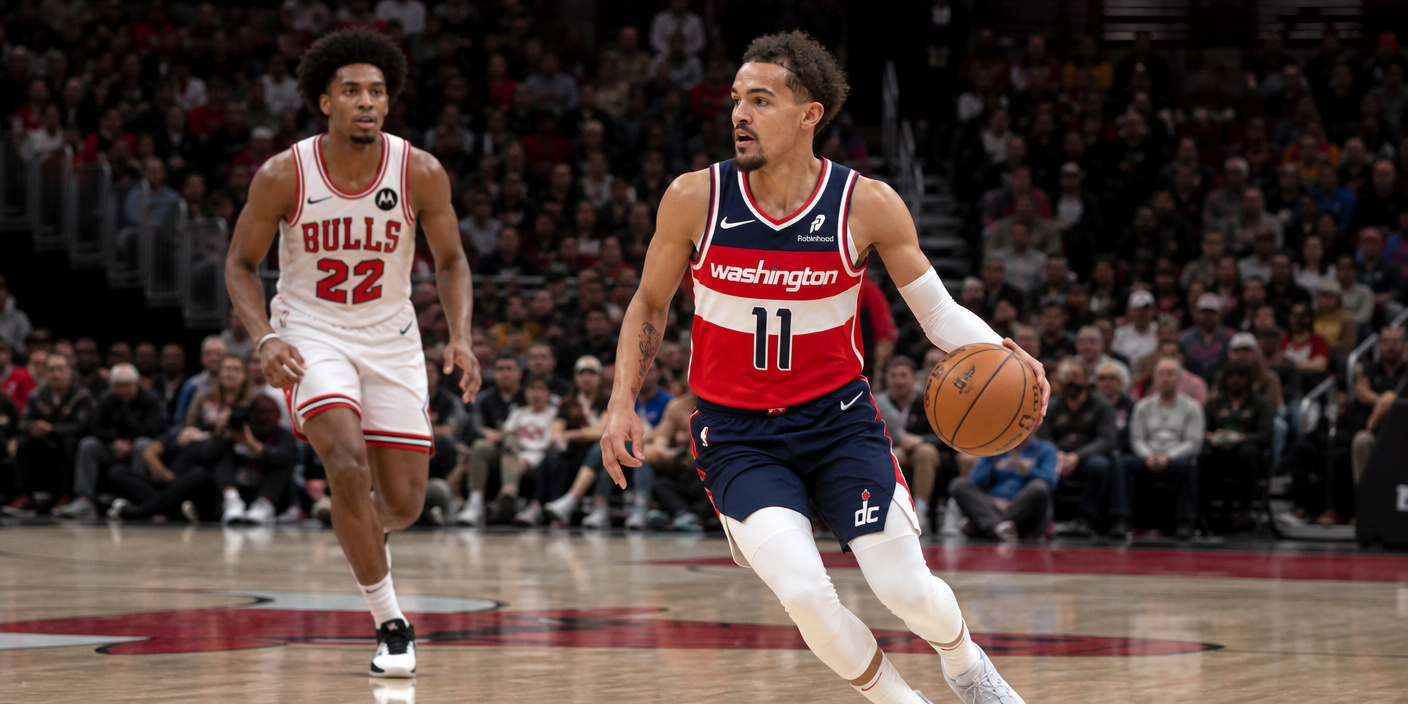
The Chicago Bulls are bracing for a pivotal early-season test as they travel to Boston to take on the Celtics in an Eastern Conference matchup this Monday. Both teams enter the contest with identical 1-1 records, making this game a crucial opportunity for either side to gain early momentum in the standings. However, the narrative for Chicago is dominated by a mounting injury crisis, as the team will be without three key contributors: Patrick Williams, Noa Essengue, and Nic Claxton. With the Bulls’ depth being severely tested, the coaching staff faces the daunting challenge of deploying a rotation capable of containing a balanced and efficient Boston squad.
Key Highlights
- Record Parity: Both the Chicago Bulls and the Boston Celtics enter the matchup with matching 1-1 records.
- Injury Impact: Chicago is dealing with a significant talent drain, officially ruling out Patrick Williams, Noa Essengue, and Nic Claxton for this appearance.
- Eastern Conference Implications: Despite being early in the season, this game serves as a critical test for Eastern Conference positioning and team resilience.
- Strategic Shift: The Bulls must rely on their remaining roster to overcome the absence of key frontcourt and wing defenders.
Navigating the Hardwood Crisis: A Test of Chicago’s Resilience
The upcoming matchup at the iconic home arena of the Boston Celtics represents more than just another game on the calendar; it is a profound test of philosophy and depth for the Chicago Bulls. In the high-stakes environment of the Eastern Conference, margins are slim, and the sudden unavailability of three primary pieces—Patrick Williams, Noa Essengue, and Nic Claxton—forces the Bulls to pivot their entire game plan. The absence of these players creates a vacuum in both defensive versatility and offensive rebounding, two areas where the Bulls must remain competitive to have a chance against a Celtics team known for its aggressive pace and perimeter shooting.
The Depth Chart Conundrum
When a team loses three rotation players, the focus shifts immediately to the secondary unit. For Chicago, this means the coaching staff must extract maximum efficiency from role players who were originally intended for fewer minutes. The loss of Patrick Williams is particularly acute; his ability to switch across multiple positions is usually the anchor of the Bulls’ defensive scheme. Without him, the team must find a new way to disrupt Boston’s motion-heavy offense. Similarly, the absence of Nic Claxton, a dominant rim protector and rebounder, changes the verticality of the Chicago defense. The Bulls will have to play a more disciplined, position-based defense to compensate for the lack of a traditional shot-blocking presence.
Tactical Adjustments and Coaching Strategy



How does a team compensate for such a significant talent gap? The answer lies in tempo control and efficiency. The Chicago Bulls must aim to drag the game into a slower, more deliberate pace to neutralize the Celtics’ transition game. If Boston is allowed to play at a high tempo, the Bulls’ thin rotation will tire, leading to defensive lapses that an experienced team like Boston will exploit. Expect the Bulls to emphasize set plays, high-percentage shots, and a heavy focus on protecting the ball. Turnovers will be the enemy; with a depleted bench, every possession becomes magnified. The coaching staff will likely look to lean on their veteran leadership to stabilize the ship during inevitable runs by the Celtics, ensuring that the team remains focused on their defensive assignments even when fatigued.
Analyzing the Boston Perspective
On the other side of the court, the Boston Celtics represent a formidable challenge regardless of their 1-1 start. Known for their balanced scoring and elite perimeter defense, the Celtics are likely to target the weaknesses in Chicago’s rotation. By exploiting mismatches—particularly those created by the absence of Williams and Claxton—Boston’s offensive playbook will likely involve high pick-and-rolls designed to isolate Chicago’s less experienced defenders. The Celtics are master manipulators of space, and they will look to force the Bulls’ remaining big men into foul trouble early, further exacerbating Chicago’s depth issues. This game is not just about raw talent for Boston; it is about establishing dominance at home and proving their consistency against teams that are navigating adversity.
The Psychological Aspect of Early Season Matchups
Beyond the X’s and O’s, this game carries psychological weight. For the Bulls, stealing a win in Boston under these conditions would serve as a massive rallying cry for the locker room. It would prove that the “next man up” mentality is more than just a cliché. Conversely, a loss would leave the team at 1-2, forcing them to look inward and address the vulnerabilities that the injury report has laid bare. For Boston, this game is about discipline. They cannot afford to play down to their competition, even if that competition is significantly shorthanded. The mental focus required to execute against an desperate team is a hallmark of championship-contending squads, and Boston will be looking to flex that muscle.
Looking Toward the Future: The Season Trajectory
As we look ahead, the implications of this game stretch far beyond the final score on Monday night. The Eastern Conference is becoming increasingly competitive, and every game, particularly those in the first month of the season, contributes to the seeding that dictates playoff paths. If the Bulls can navigate this stretch of injuries without cratering their record, they will be in a much stronger position once their rotation returns to full health. However, if these injury-related losses continue to mount, it may force the front office to consider roster adjustments sooner than anticipated. For the Celtics, consistency is the goal. Establishing a strong home-court advantage early in the season is vital for securing a top-four seed, and protecting the home floor against a weakened visitor is an essential step in that process. As the season progresses, we will look back at this game as a barometer for both teams—a measure of Chicago’s grit in the face of adversity and Boston’s killer instinct when presented with an opportunity to capitalize on an opponent’s misfortune.
FAQ: People Also Ask
Q: Why are Patrick Williams, Noa Essengue, and Nic Claxton out?
A: While specific medical details vary, these players have been officially ruled out due to injury-related concerns, significantly impacting Chicago’s rotation and defensive depth for this matchup.
Q: How does this game affect the Eastern Conference standings?
A: Both teams currently hold a 1-1 record. A win for either side provides a vital boost in the early-season standings, helping teams avoid falling into the bottom half of the conference table as the league settles into its rhythm.
Q: What is the biggest challenge for the Bulls tonight?
A: The primary challenge for Chicago is balancing their depleted lineup while attempting to contain a talented and deep Boston Celtics roster, requiring perfect execution and high-efficiency offensive play to keep the game within reach.