The Chicago Blackhawks are doubling down on fundamental development and practice intensity as the team navigates the early-season grind. With a heightened emphasis on sharpening execution and specialized skill-building, the coaching staff is aiming to bridge the gap between their youthful roster’s raw talent and consistent, high-level NHL performance. This strategic pivot, supported by a growing optimism from veteran observers and former franchise icons, reflects a broader organizational mandate to solidify the foundation of this rebuild.
- The team has implemented extended, high-intensity practice sessions to address inconsistent start times and defensive breakdowns.
- Patrick Kane has publicly shared his optimism regarding the Blackhawks’ current direction, specifically highlighting the growth of the team’s core youth movement.
- The prospect pipeline, headlined by developments in Rockford, is being closely monitored as key young players begin to press for more significant NHL ice time.
- Coaching staff is prioritizing specialized skill-drills over general conditioning to improve situational awareness and special teams efficacy.
Reframing the Rebuild: Execution, Prospects, and New Optimism
The Chicago Blackhawks find themselves at a critical juncture. The early season has been defined not just by the win-loss column, but by the tangible effort to establish a new cultural standard. The shift toward longer, more rigorous practice sessions is the cornerstone of this philosophy, as the team looks to mitigate the mid-game lulls that have plagued their performances in recent outings.
The Science of Practice Intensity
Under the direction of the current coaching staff, the Blackhawks have moved away from conventional, generalized practice flows. Instead, the focus has shifted toward high-tempo, situational drills that replicate game pressure. For a team that is statistically one of the youngest in the NHL, this is vital. Improving puck management in the neutral zone and defensive zone coverage—often the Achilles’ heel of young squads—is the primary metric of success for these practice sessions. The goal is to build an internal tempo that naturally translates to the first period of games, where the team has historically struggled to gain early momentum.
Prospect Development: The Rockford Pipeline and Beyond
Beyond the daily rigors of the NHL roster, the organization’s long-term viability hinges on the Rockford IceHogs. The pipeline is currently deeper than it has been in the last five seasons. Hot prospects are not just being groomed; they are being prepared for immediate impact. The team’s management has been transparent about the “merit-based” advancement policy. Whether it is top-tier forwards finding their footing or defensive prospects adjusting to the physical demands of the league, the emphasis on quality minutes over quantity is the mantra. This approach ensures that when a prospect is called up, they are not merely filling a roster spot but are ready to contribute to the team’s strategic objectives.
The ‘Kane Perspective’ on the Blackhawks Rebuild



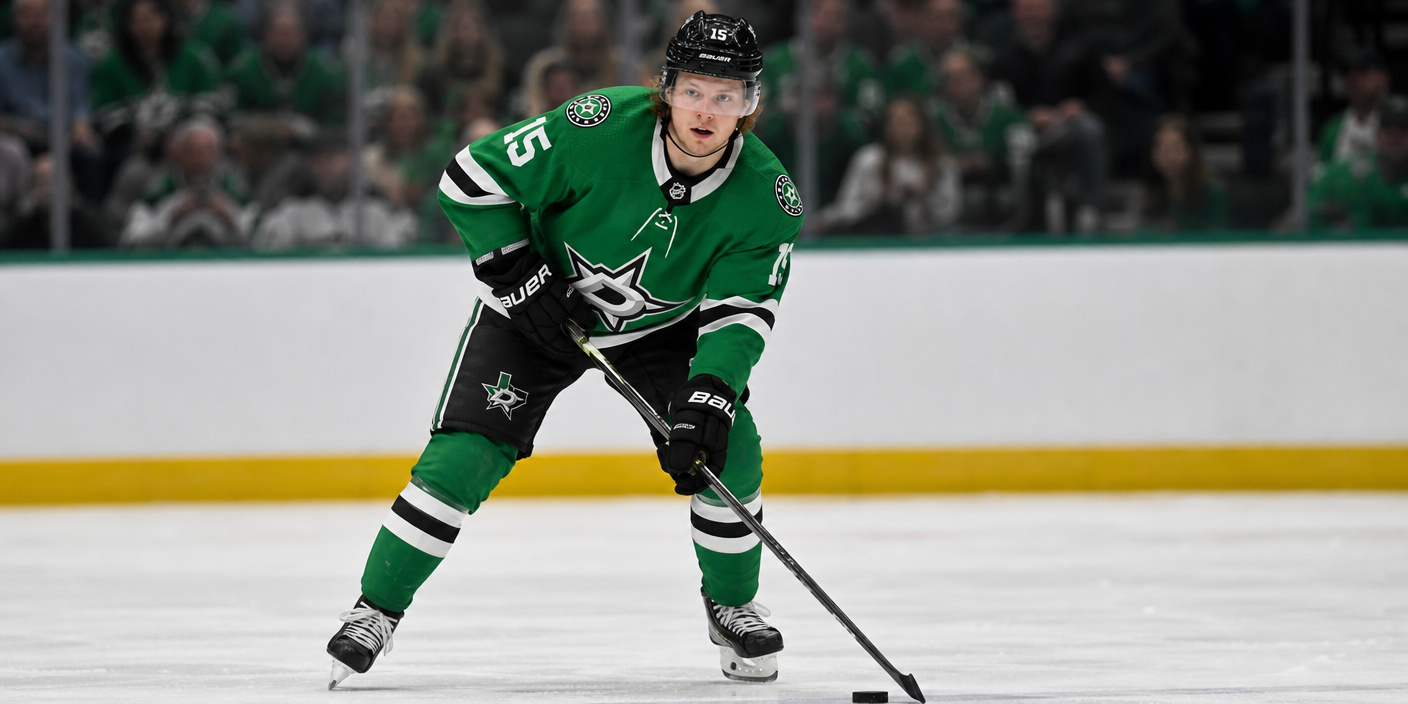
In recent discussions regarding the NHL landscape, Patrick Kane, currently with the Detroit Red Wings, offered a measured yet distinct sense of optimism regarding his former team. Kane, who remains a deeply respected voice within the Chicago locker room culture, noted that the current iteration of the Blackhawks possesses a different, more durable energy compared to the start of the rebuild. His confidence stems from the team’s commitment to young stars—specifically, how they are being handled and integrated into the leadership structure. For the Chicago front office, this outside validation from a franchise legend provides a necessary morale boost and reinforces the belief that the long-term vision is beginning to yield dividends.
Tactical Adjustments and Statistical Trends
Data analysis suggests that the Blackhawks’ recent emphasis on special teams practice is beginning to pay off. Power play conversion rates, which were stagnant in the opening weeks, have shown marginal but significant improvement following tactical adjustments made during closed-door practice windows. Furthermore, the team’s transition game—from defensive zone exit to neutral zone puck carry—has seen an increase in efficiency. Statistically, the reduction in “danger-zone” turnovers is the most promising indicator that the added practice time is directly affecting on-ice decision-making.
The Economic and Cultural Landscape of the Rebuild
From a management perspective, the Blackhawks’ rebuild is as much about economic discipline as it is about on-ice performance. By maintaining cap flexibility and avoiding long-term, high-cost veteran contracts that do not fit the competitive window, the team has positioned itself to weaponize cap space when the right opportunity arises. This financial patience allows the coaching staff to experiment with line combinations without the pressure of managing an aging, expensive roster. It is a calculated, multi-year strategy that prioritizes asset accumulation over short-term gratification, fostering a culture where every roster spot is earned.
Future Predictions: What Comes Next?
Looking toward the remainder of the season, the focus will undoubtedly stay on consistency. If the team can maintain this practice-first mentality, we should expect to see a more cohesive defensive unit by the mid-season point. The natural progression for the young core—coupled with the return of injured players and the potential for mid-season call-ups—suggests a higher ceiling for the second half of the year. The “Blackhawks Bullets” sentiment remains clear: this is a work in progress, but the foundation is being poured with deliberate, careful intent.
FAQ: People Also Ask
1. Why is the team focusing on more practice time now?
To address early-season consistency issues and defensive lapses, the coaching staff is using practice to drill specific situational hockey, ensuring players are better prepared for game-speed intensity.
2. What did Patrick Kane actually say about the Blackhawks?
Patrick Kane expressed optimism about the team’s current direction, praising the organization’s commitment to their young core and the energy surrounding their long-term rebuild strategy.
3. Who are the ‘hot prospects’ currently being monitored?
While multiple players are developing, the focus is on prospects within the Rockford IceHogs system who have demonstrated the tactical maturity required to handle significant NHL minutes.
4. Is the rebuild still on track?
Yes, the front office maintains that the rebuild is on schedule, citing the growth of key young players and the maintenance of significant salary cap flexibility as primary indicators of success.