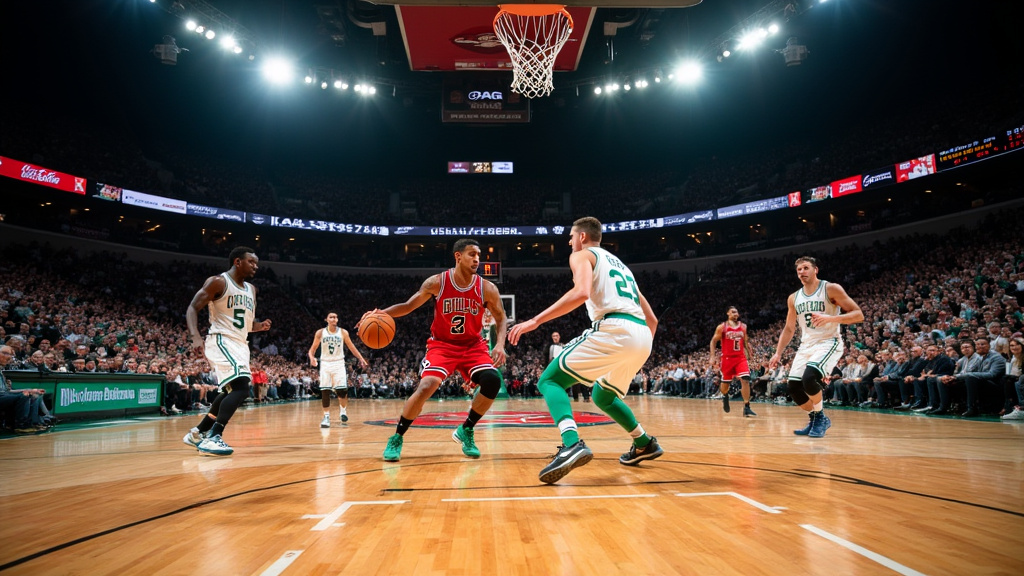
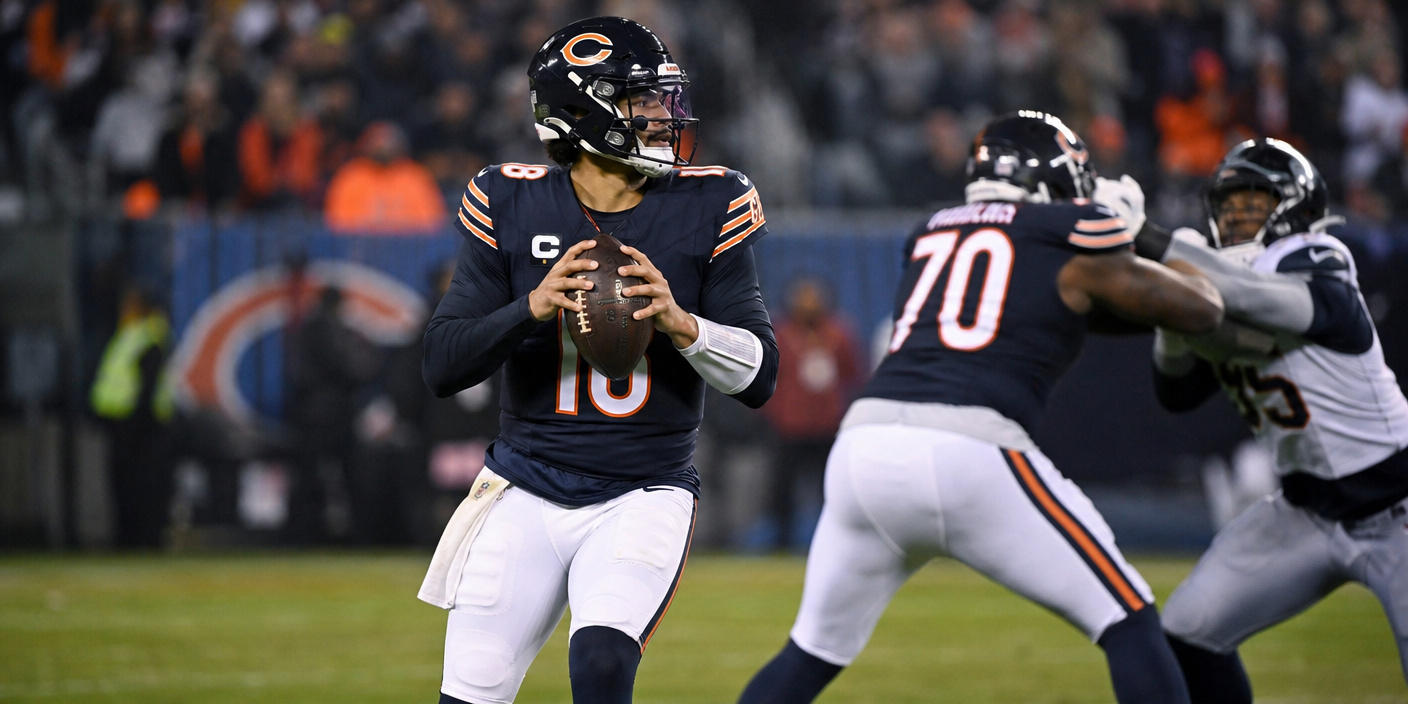
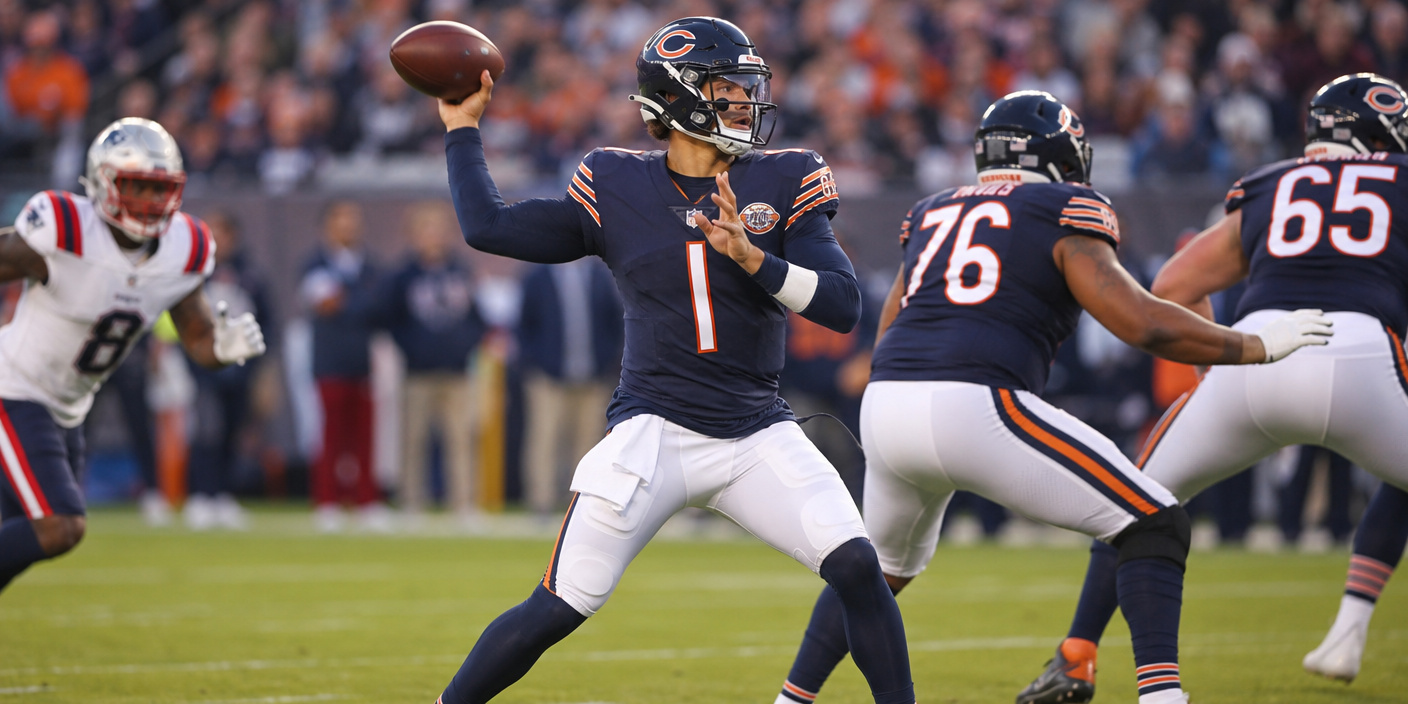
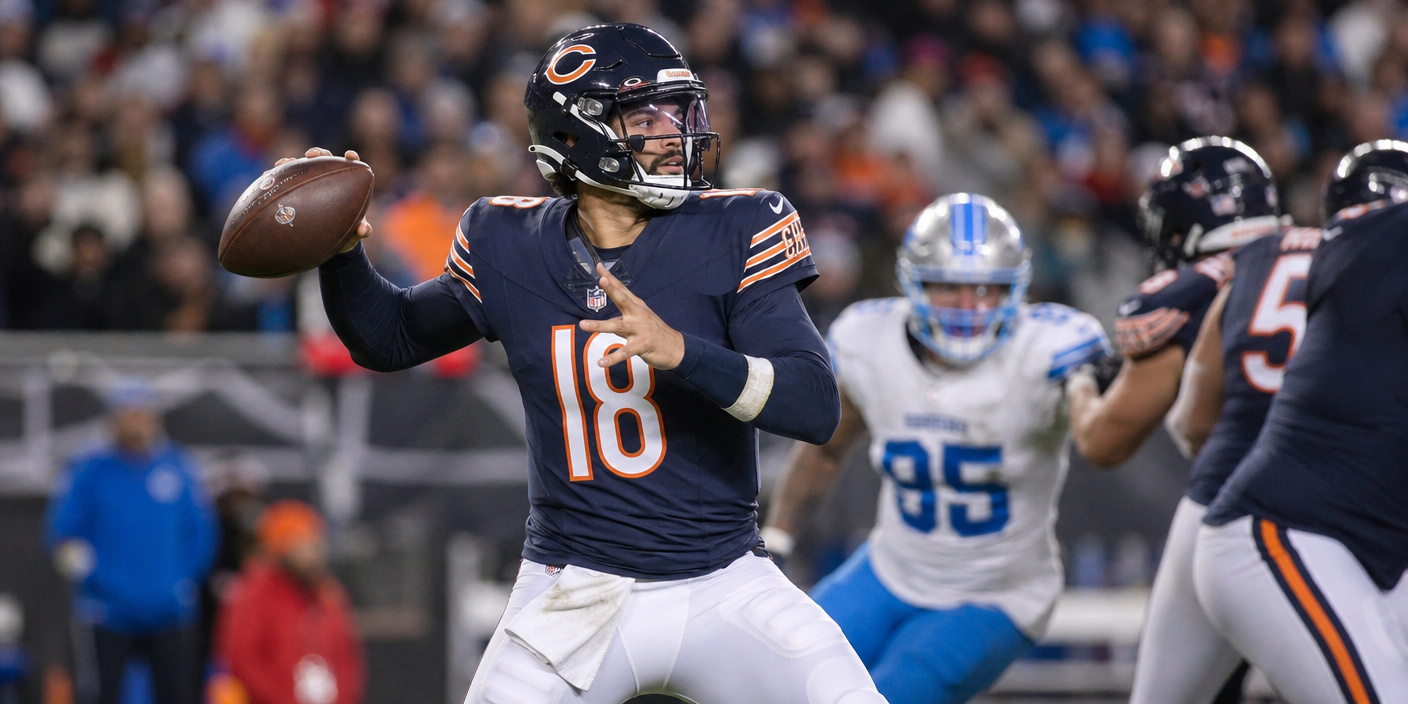
Trae Young delivered a masterclass performance in Washington’s season-opening 124-120 victory against the Chicago Bulls, effectively spoiling Chicago’s home opener despite a career-defining effort from Caleb Wilson. In a high-octane battle that set the tone for the early season, the Wizards managed to hold off a resilient Bulls squad, showcasing both the offensive firepower and the late-game resilience required to succeed in a competitive Eastern Conference.
Key Highlights
- Trae Young recorded 25 points to anchor the Washington Wizards’ offensive strategy.
- Caleb Wilson delivered a standout double-double performance for Chicago, tallying 30 points and 14 rebounds in the defeat.
- The game concluded with a high-scoring 124-120 margin, highlighting significant offensive efficiency from both rosters.
- The loss marks a difficult home opener for the Bulls, who showed flashes of interior dominance despite the final result.
Tactical Analysis: The Evolution of the Wizards-Bulls Rivalry
The Trae Young Factor: Orchestrating the Offense
The Washington Wizards arrived in Chicago with a clear objective: utilize the backcourt versatility of Trae Young to dictate the pace of the game. Throughout the contest, Young exhibited his trademark ability to manipulate defensive sets, finding lanes to the basket and spacing the floor for perimeter threats. His 25-point contribution was not merely a matter of volume shooting; it was a testament to his situational awareness.
In the fourth quarter, when the Bulls tightened their defensive pressure, Young remained composed. He facilitated key plays that allowed Washington to maintain their narrow lead, effectively neutralizing the crowd’s energy in the United Center. His ability to draw fouls and convert at the free-throw line proved to be the decisive factor in keeping the Wizards ahead of Chicago’s late-game surges. For Washington, this game confirms that their offensive system is optimized to play through a primary playmaker who can both score and create gravity that opens up the rest of the floor.
Caleb Wilson’s Breakout: A Silver Lining for Chicago
While the scoreboard favored the visitors, the performance of Caleb Wilson was the undisputed individual narrative of the night. Recording 30 points and pulling down 14 rebounds, Wilson demonstrated a level of physicality and dominance that few expected in an opening game. He consistently exploited mismatches in the paint, proving himself as a central piece of the Bulls’ long-term strategy.




Wilson’s rebounding efficiency—securing nearly 15 boards—gave Chicago second-chance opportunities that kept them within striking distance for all 48 minutes. For the coaching staff in Chicago, Wilson’s development is a bright spot. However, the loss underscores a need for more perimeter consistency to complement his interior work. If Wilson can maintain this production level throughout the grueling 82-game schedule, the Bulls will undoubtedly become a tougher matchup for every team in the league. His transition from a role player to a consistent double-double threat is one of the most compelling storylines coming out of this specific week of play.
Assessing Defensive Vulnerabilities in the 124-120 Scoreline
From a technical perspective, the final score of 124-120 suggests that both teams prioritized offensive flow over rigid defensive structure. While high-scoring games are often lauded by fans, elite defensive coordinators will look at the game film and find significant areas for improvement. Washington’s inability to fully contain Wilson suggests gaps in their frontcourt rotation, while the Bulls’ defensive perimeter coverage failed to consistently disrupt Trae Young’s rhythm.
In the modern NBA, these types of high-paced shootouts are becoming the standard. The ability to outscore opponents remains the primary path to victory, but the margins for error are razor-thin. Washington’s win, while gritty, highlighted that their transition defense will be tested as the season progresses. Conversely, for the Bulls, the loss serves as a harsh lesson on closing out possessions. In the closing two minutes, defensive stops were few and far between, forcing the game to be decided by alternating baskets rather than defensive mastery.
The Strategic Roadmap Ahead
Looking beyond the box score, this victory provides the Wizards with a crucial momentum boost. Securing a road win against a formidable opponent like the Bulls is statistically one of the hardest tasks in the early season. It instills a sense of team identity and demonstrates that Washington has the mettle to close out games under high-pressure scenarios.
For Chicago, the focus now turns to roster integration and defensive consolidation. With Wilson emerging as a primary scoring option, the Bulls must determine how to rotate their supporting cast around him to maximize his efficiency. The Eastern Conference remains a crowded landscape of competing teams, and early-season losses in home openers—while painful—often reveal the necessary adjustments a team needs to make before the mid-season stretch. Both clubs are now forced to examine their depth charts and defensive schemes with urgency, as the rapid pace of the NBA season affords no time for extended reflection.
FAQ: People Also Ask
1. What were Trae Young’s final stats in the Wizards-Bulls game?
Trae Young finished the game with 25 points, acting as the primary offensive engine for the Washington Wizards in their 124-120 victory.
2. How did Caleb Wilson perform for the Chicago Bulls during the opener?
Caleb Wilson had a standout performance, recording a double-double with 30 points and 14 rebounds in the Bulls’ narrow loss.
3. What does this win mean for the Wizards?
Securing a win in the home opener of an opponent is a significant morale booster and establishes early positive momentum for Washington as they navigate the opening stretch of the NBA season.
4. Will the Chicago Bulls adjust their defensive rotation after this result?
While official team decisions are internal, the high score of 124-120 likely indicates that Chicago will prioritize defensive perimeter coverage and transition containment in upcoming practice sessions to support Wilson’s interior production.