The National Museum of Mexican Art (NMMA), located in the heart of Chicago’s Pilsen neighborhood, is set to host its signature cultural event, Día de los Muertos Xicágo, on October 24, 2026. As the institution continues to serve as one of the most prominent cultural anchors in the United States for Mexican art and history, this year’s celebration promises to be a poignant fusion of ancestral tradition and contemporary community expression. The event invites thousands of attendees to engage with the profound, life-affirming rituals that define one of the most significant celebrations in the Mexican cultural calendar.
Key Highlights
- Date: October 24, 2026.
- Location: National Museum of Mexican Art, Chicago (Pilsen).
- Core Programming: Live music performances, traditional folkloric dance, and curated, community-created ofrendas.
- Cultural Significance: The event bridges the gap between traditional Mexican customs and the unique ‘Xicágo’ (Chicago-Chicano) identity, fostering community healing and reflection.
The Architecture of Remembrance: Honoring Traditions
The National Museum of Mexican Art has long served as a bastion of cultural education, moving beyond simple exhibition to become a living, breathing space for community interaction. The Día de los Muertos Xicágo celebration is not merely a holiday observation; it is a meticulously curated experience that requires months of preparation. The centerpiece of the 2026 event will be the installation of ofrendas—altars built to honor departed loved ones.
In Mexican culture, the ofrenda is a sophisticated art form that blends religious symbolism with personal history. At the NMMA, these altars are often communal, allowing families and artists to weave personal memories into a larger tapestry of collective mourning and celebration. Visitors can expect to see the traditional elements that make these altars globally recognizable yet deeply intimate: vibrant orange cempasúchil (marigold) petals, photographs of the deceased, hand-cut papel picado, and the essential food offerings that once nourished those who have passed. By institutionalizing these private rituals, the NMMA provides a sacred space for the community to process grief while simultaneously educating the public on the spiritual weight of the holiday.
The ‘Xicágo’ Identity and Cultural Synthesis
The term ‘Xicágo’ is a deliberate, powerful linguistic blend that encapsulates the experience of the Mexican-American diaspora in the Midwest. It refers to the synthesis of Mexican cultural roots and the grit, urban reality, and historical trajectory of living in Chicago. The National Museum of Mexican Art serves as the primary vessel for this identity.

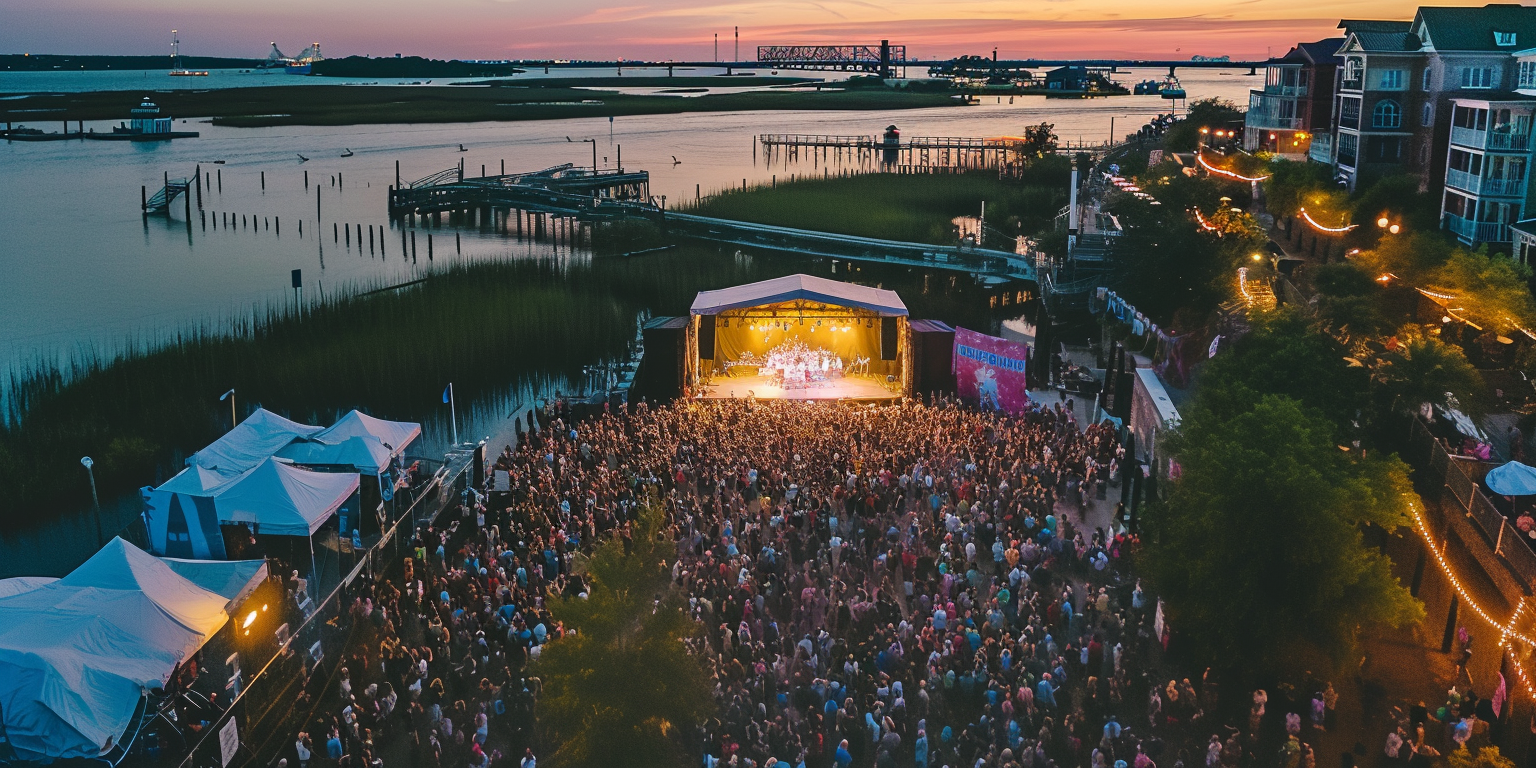

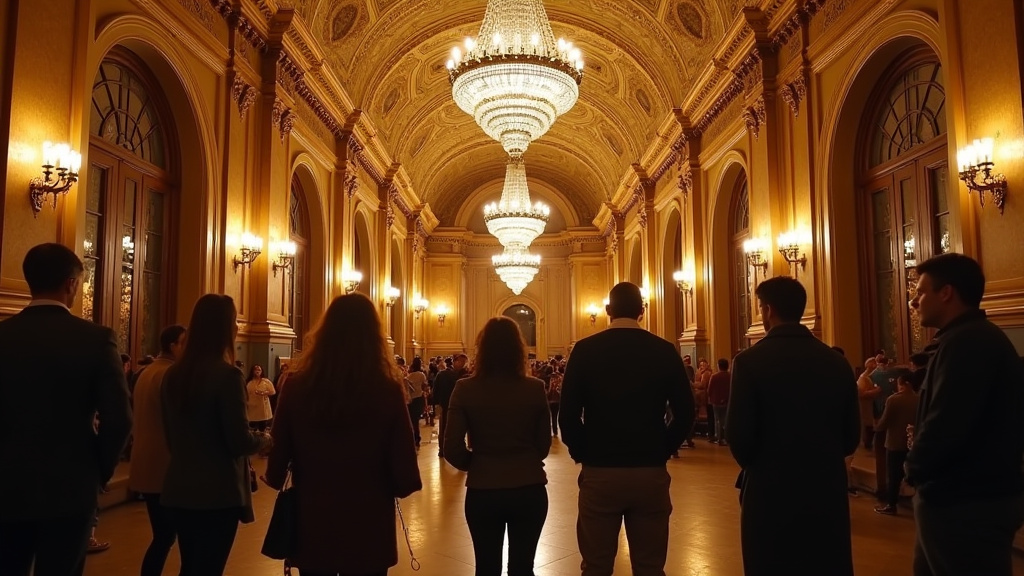
During the 2026 event, this synthesis will be on full display through a diverse lineup of live music and performance art. The NMMA does not simply export Mexican culture; it incubates a distinct localized variation. The musical performances, which range from traditional Mariachi to contemporary fusions, represent a dialogue between the past and the future. By holding this event in Pilsen, a neighborhood that has historically been the heartbeat of Mexican immigration in Chicago, the museum underscores the resilience and ongoing evolution of the community. This is not just a museum exhibition; it is an assertion of place, history, and belonging in an ever-changing urban landscape.
The Museum as an Economic and Social Anchor
Beyond the spiritual and cultural dimensions, the Día de los Muertos Xicágo event serves as a vital economic and social driver for the Pilsen community. Cultural institutions like the NMMA act as ‘anchor institutions,’ drawing visitors from across the city, suburbs, and even international tourists who travel specifically for the museum’s world-class programming.
This influx of foot traffic supports local businesses—cafes, restaurants, and galleries that thrive alongside the museum. Furthermore, the event serves a sociological function. In an era often defined by rapid cultural shifts and digital isolation, the physical act of coming together to celebrate life and honor death provides a necessary counter-narrative. The museum’s commitment to keeping this event culturally authentic, while making it accessible, ensures that the intergenerational transfer of knowledge remains intact. Elders pass down the significance of the calaveras (skulls) and the ofrendas to a new generation, ensuring that the ‘Xicágo’ identity remains dynamic rather than static.
Preparing for the 2026 Experience
As the date approaches, the NMMA advises visitors to prepare for a day of emotional depth and high cultural engagement. The 2026 iteration is expected to leverage new, immersive technologies alongside traditional displays to deepen the audience’s connection to the history of Día de los Muertos. While the specific lineup of performers is finalized closer to the date, the museum’s track record suggests a high caliber of artistic excellence. Attendees are encouraged to arrive early, as the event traditionally reaches capacity, reflecting the deep hunger for community-based cultural experiences in the post-pandemic landscape.
FAQ: People Also Ask
Q: Is there an admission fee for the Día de los Muertos Xicágo event at the NMMA?
A: The National Museum of Mexican Art traditionally offers free admission to the public, consistent with their mission to make Mexican art and culture accessible to everyone. Always check their official website closer to October 2026 for specific event protocols or special ticketed evening programs.
Q: Can the public contribute to the ofrendas displayed at the museum?
A: The museum typically manages the curation of the large-scale ofrendas, often working with specific artists and community groups. However, they frequently provide opportunities for community participation or specific workshops leading up to the event. Keep an eye on the NMMA’s ‘Call for Artists’ or community engagement pages.
Q: What is the significance of the date October 24, 2026?
A: Día de los Muertos traditionally falls on November 1st and 2nd. The NMMA hosts their event in late October to allow for extended community celebration and to ensure the broader public can engage with the installations before the traditional holy days begin, serving as a ‘bridge’ event that amplifies the cultural reach.
Q: Where can I park near the National Museum of Mexican Art in Pilsen?
A: Limited street parking is available in the Pilsen neighborhood surrounding the museum. Given the high attendance expected for this event, public transit (such as the CTA Pink Line) is highly recommended for a smoother experience.