La Licor Panamericana is quietly—and effectively—reshaping the Chicago hospitality landscape by trading trendy mixology for authentic, expansive cultural immersion. Located in the heart of Logan Square, this destination bar has captivated spirits enthusiasts by offering a singular vision: a massive, curated collection of 365 Latin American spirits and beers that act as a liquid map of the continent. Founded by owners Abraham Ramirez and Javier Arroyo, the establishment is less of a traditional cocktail lounge and more of a sanctuary for regional craftsmanship, bringing rare imports like Fortuna beer to the forefront of the Windy City’s competitive bar scene.
Curating the Continent: The 365 Spirit Collection
The central pillar of La Licor Panamericana is, undeniably, its sheer volume of inventory. While many cocktail bars focus on rotating seasonal menus or high-concept molecular gastronomy, Ramirez and Arroyo have taken a more rigorous, archival approach. The collection of 365 spirits is not merely for show; it serves an educational purpose. By sourcing products from across the Pan-American region, the owners allow patrons to experience the nuances of terroir—from the agave-heavy regions of Mexico to the sugarcane spirits of the Caribbean and South America.
This collection serves as the foundation for the bar’s identity. For the owners, the goal was to dismantle the homogenization of Latin spirits often found in mainstream American bars. By diversifying the backbar, La Licor Panamericana encourages guests to step beyond the ubiquitous margaritas and mojitos. Instead, they provide access to lesser-known distillates, artisanal mezcals, and regional liqueurs that rarely make it to the U.S. market. This commitment to inventory volume essentially functions as a curated library, where each bottle represents a specific geographic and cultural tradition.
Creating a ‘Bar de Barrio’ in the Heart of Logan Square

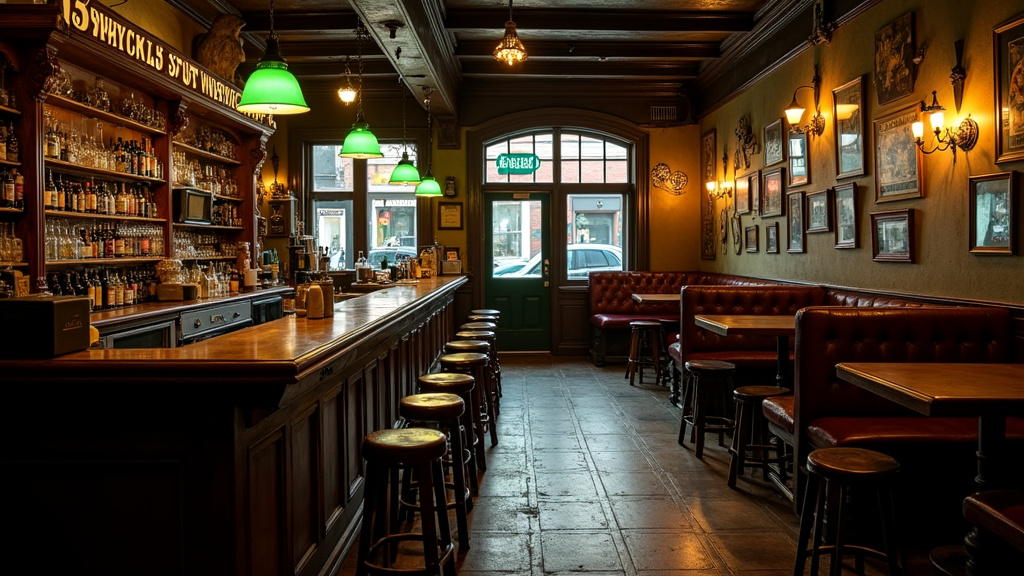
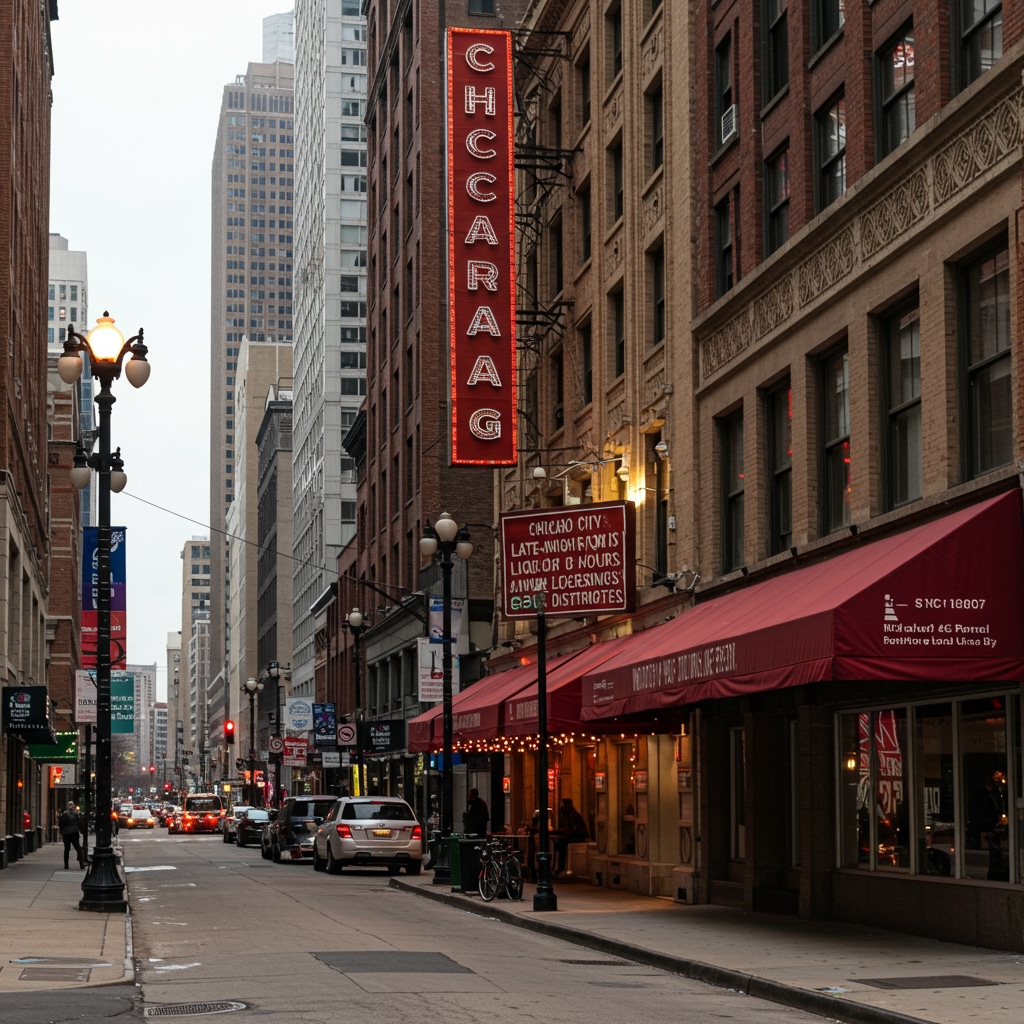
Logan Square is known for its high-concept mixology and industrial-chic aesthetic, but La Licor Panamericana intentionally pivots toward the concept of a ‘bar de barrio.’ In Latin American culture, a bar de barrio is a neighborhood hub—a place that is unpretentious, accessible, and deeply tied to the community it serves. It is a space where the quality of the drink is matched only by the quality of the conversation.
Ramirez and Arroyo have successfully translated this ethos into the Chicago context. The design and service model avoid the stiffness of high-end, velvet-rope establishments. Instead, the bar emphasizes a communal atmosphere. The intent is to make the exotic nature of the spirits feel grounded and approachable. Whether a guest is an expert looking for a specific vintage or a novice interested in trying a new beer, the environment fosters discovery without intimidation. This neighborhood-first approach has been crucial in establishing loyalty in a neighborhood that is often flooded with transient concepts.
Culinary Synergy: Pairing Spirits with Pan-American Cuisine
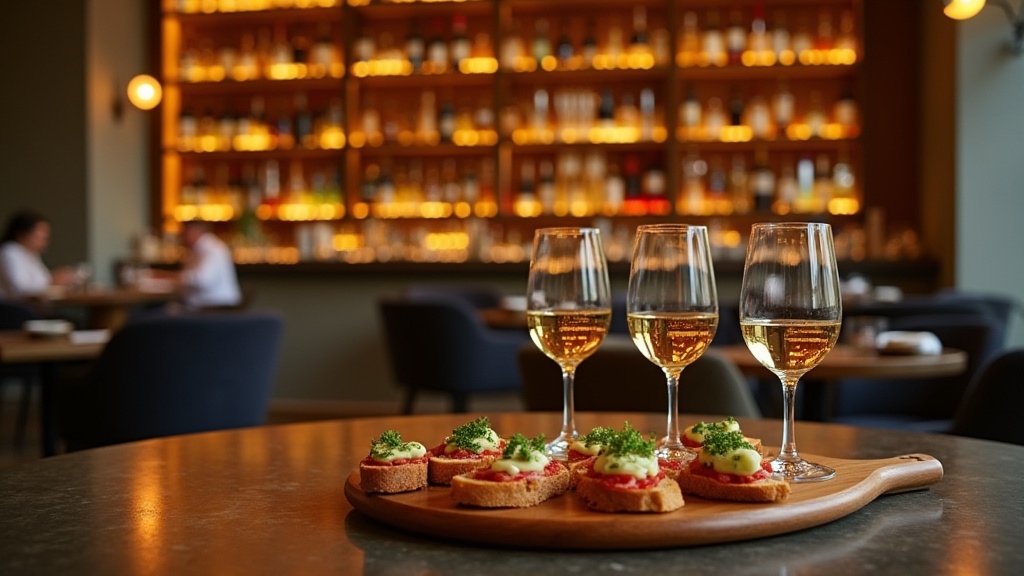
One cannot discuss the spirit collection without mentioning the culinary component of the establishment. The pairing of food and spirits is a lost art in many modern bars, but here, it is a primary directive. The menu is specifically designed to complement the expansive spirit list, ensuring that every dish acts as a flavor bridge to the drink in the patron’s hand. This is not fusion in the generic sense; it is a meticulous mapping of regional flavors.
By incorporating imported products like Fortuna beer, the kitchen and bar programs create a cohesive narrative. Fortuna, a premium beer that has gained a cult following, serves as a palate cleanser or a direct pairing for the richer, more complex spirits on the list. The synergy between the kitchen and the bar is evident in how flavors are layered—the salt and citrus of a well-crafted dish are designed to unlock the botanical or smoky notes of the spirits, providing a full-circle dining experience that honors the origins of the products being served.
Secondary Angle: Cultural Preservation Through Gastronomy
Beyond the business model, La Licor Panamericana acts as an agent of cultural preservation. In a globalized market, unique, hyper-local products are often lost in the shuffle of mass distribution. By importing and highlighting these spirits and beers, Ramirez and Arroyo are essentially protecting these traditions. They are providing a platform for smaller producers who might not have the reach to enter the U.S. market independently. This creates an economic ripple effect, where the bar acts as a vital bridge between small-scale Latin American producers and the adventurous American consumer, ensuring that these artisanal methods continue to find a market.
Secondary Angle: The Economics of Specialized Imports
Running a bar with 365 distinct spirits is an immense logistical and financial challenge. It requires complex inventory management, relationships with international distributors, and a deep understanding of import regulations. The economic model of La Licor Panamericana is a testament to the viability of niche hospitality. By focusing on exclusivity and a high-degree of specialization, the bar creates a ‘destination’ effect. Patrons are willing to travel to Logan Square specifically because they cannot find these products elsewhere. This strategy proves that in a saturated market, specialization is often a more sustainable path than generic variety.
Secondary Angle: The Evolution of Chicago’s Bar Scene
Chicago has long been a cocktail capital, but the scene is evolving. There is a shift away from the overly complicated, ingredient-heavy cocktails of the early 2010s toward a more minimalist, spirit-forward culture. La Licor Panamericana sits at the forefront of this evolution. By celebrating the spirit itself rather than burying it in bitters and syrups, the bar is signaling a return to roots. It invites guests to engage with the product as it was intended to be consumed, a trend that is likely to influence the next wave of bar openings across the city.