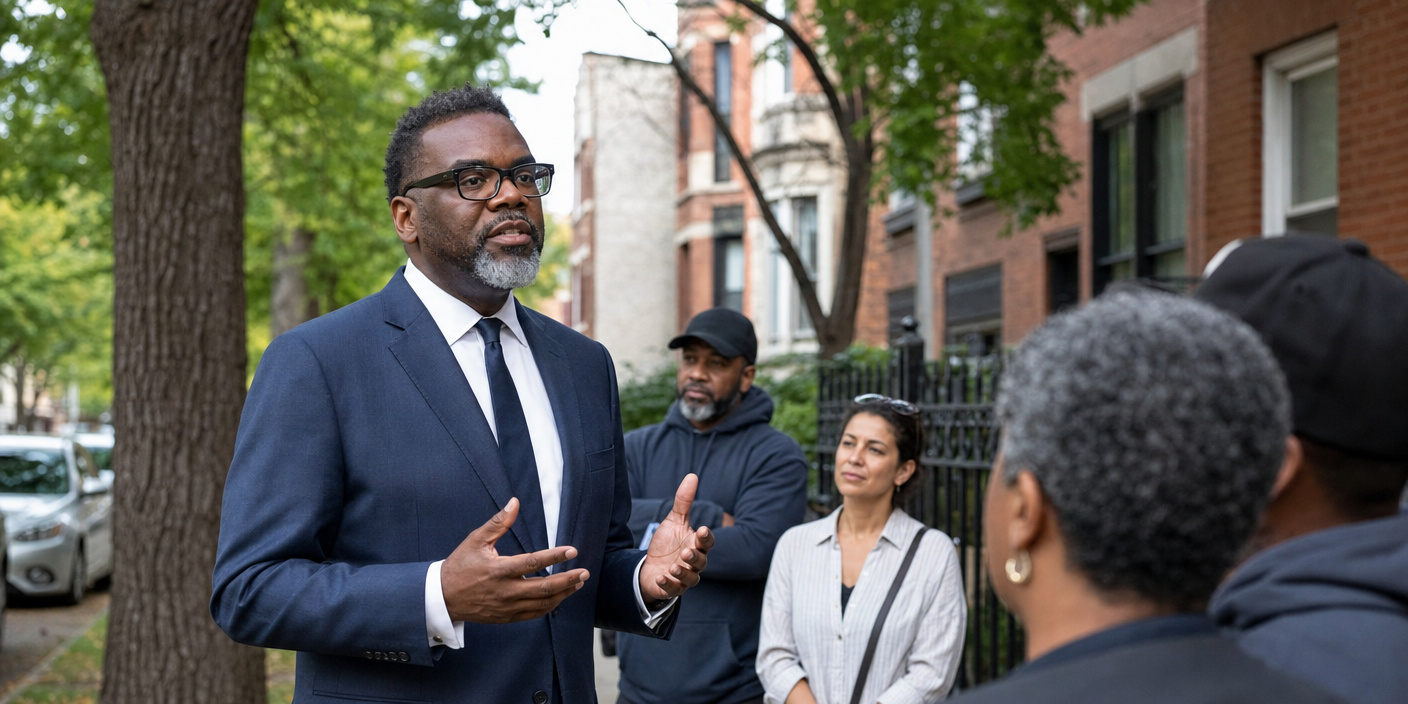
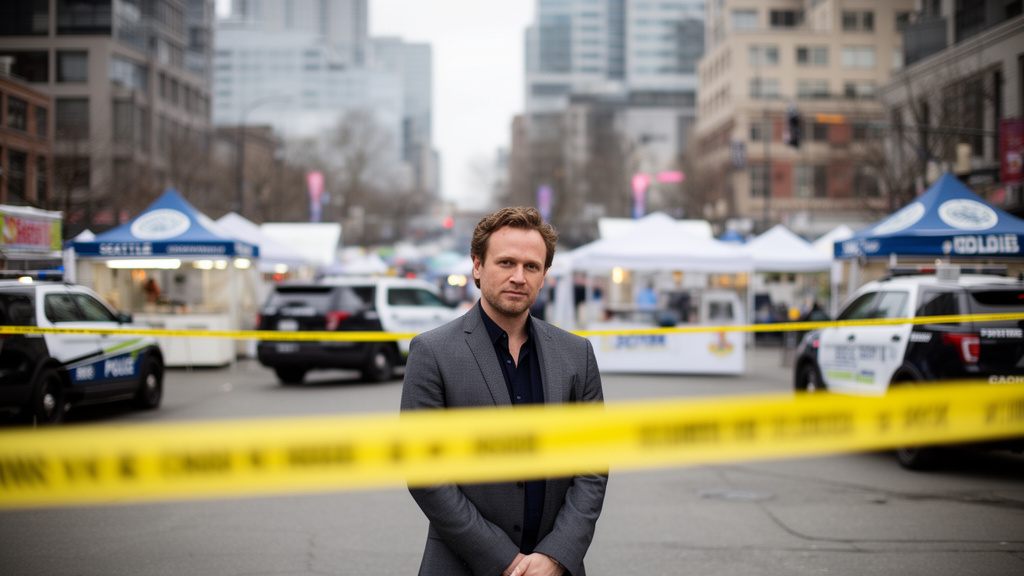
The rapid rise of ‘teen takeovers’ in Chicago has transformed from a digital-first social phenomenon into a pressing public safety concern for city officials, law enforcement, and residents alike. What began as spontaneous, largely benign meetups organized via social media platforms like TikTok and Instagram has, in recent seasons, escalated into chaotic disruptions. These gatherings frequently result in property damage, transit shutdowns, and significant strains on the Chicago Police Department (CPD). In response to the growing tension, municipal leaders have pivoted toward a strategic investment, earmarking $1.5 million to bolster summer youth programs and violence prevention initiatives, aiming to curb the trend by offering constructive alternatives before tempers flare in public spaces.
Key Highlights
- Evolution of the Trend: Spontaneous social media-organized gatherings have evolved from harmless digital meetups into flash crowds that often overwhelm public areas and transit hubs.
- Economic Response: The city of Chicago has officially allocated $1.5 million in new funding specifically targeted at summer youth programs and comprehensive violence prevention.
- Safety and Policing: The strain on law enforcement, particularly regarding overtime and public disorder management, has forced a reevaluation of how the city responds to digitally mobilized groups.
- Strategic Pivot: Beyond reactive policing, the city is doubling down on engagement through initiatives like ‘My CHI. My Future.’, aiming to provide safe spaces and structured activities for teens during the summer months.
The Digital Catalyst: Why ‘Teen Takeovers’ Are Escalating
The phenomenon of ‘teen takeovers’ thrives on the unique intersection of algorithmic virality and urban geography. In the digital age, a simple post or group chat invite can coalesce hundreds of youths at a specific landmark or transit station within minutes. While the initial intent might be social interaction, the absence of structure and the anonymity provided by the digital crowd often leads to a ‘mob mentality.’
Experts note that the rapid scaling of these events prevents traditional planning or notification of authorities. As these events move from online discussions to physical reality, the lack of supervision often creates a volatile environment. The ‘takeover’ aspect implies a reclamation of public space—be it a downtown park, a transit platform, or a shopping district—which inevitably creates friction with business owners, commuters, and the city’s public safety infrastructure. The unpredictability of these events has turned them into a logistical nightmare, requiring rapid response strategies that currently struggle to keep pace with the speed of digital mobilization.
The Economic and Logistical Toll on the City
The financial strain of these gatherings goes beyond direct property damage. When ‘takeovers’ occur, they frequently require significant police mobilization, leading to overtime expenditures and the diversion of resources from other critical public safety needs. City officials have highlighted that the economic impact is felt by local businesses that may be forced to close early, and by the public transit system, which faces delays and security concerns when these crowds converge on stations.
The $1.5 Million Strategic Investment


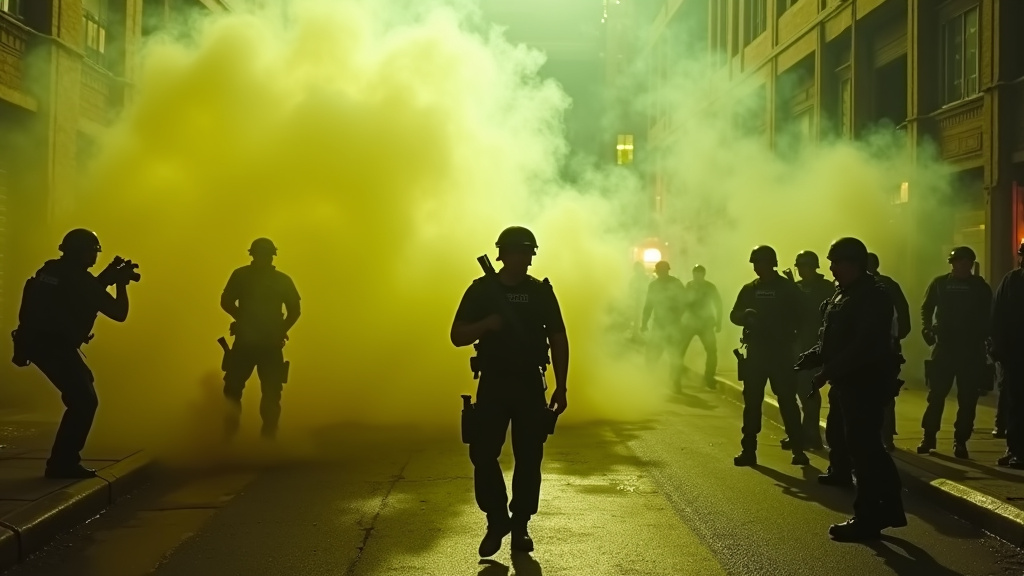
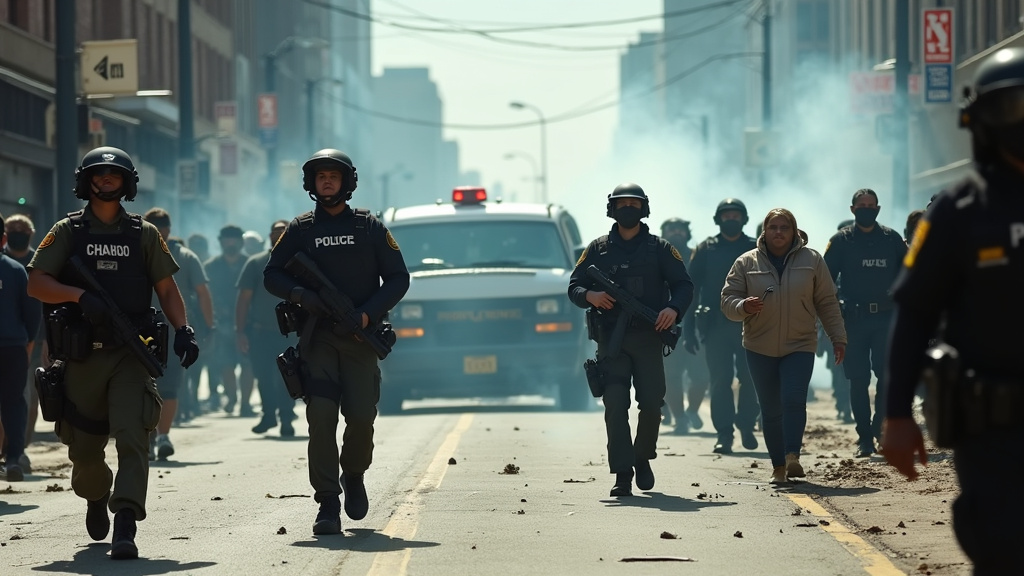
In a decisive move to address the root causes rather than just the symptoms of these gatherings, Chicago officials announced a targeted investment of $1.5 million. This funding is not intended for increased policing alone; rather, it is directed toward the Department of Family and Support Services (DFSS) and community-based organizations. The goal is to maximize the reach of existing youth programs that operate during the summer—a time when these takeovers tend to reach their peak frequency.
This capital is designed to create ‘safe havens’ and curated activities that compete for the attention of teenagers who would otherwise gravitate toward these spontaneous gatherings. By providing, for instance, sports leagues, arts programming, and mentorship opportunities that are accessible and publicized with the same digital savvy as the takeovers themselves, the city hopes to disrupt the cycle of mobilization.
Sociological Implications: Digital Mirroring
The phenomenon serves as a modern mirror for adolescent development. The desire for community and public visibility, traditionally satisfied by school events or neighborhood social hubs, has been digitized. ‘Teen takeovers’ represent a distorted version of this need for social validation. By analyzing the digital footprints of these trends, social workers and city planners are beginning to understand that the youth involved are not inherently seeking chaos, but rather are searching for a sense of belonging in a city that often feels disjointed.
Challenges to the Preventative Model
Despite the clear allocation of funds, the efficacy of the $1.5 million investment faces skepticism. Critics argue that $1.5 million, while a substantial start, is a drop in the ocean compared to the deep-seated issues of youth engagement in a city as large as Chicago. There is also the challenge of ‘cool factor.’ Can government-sponsored programming ever truly compete with the raw, unfiltered appeal of an unauthorized gathering organized by peers?
Success in this endeavor will likely depend on the flexibility of the programs. Traditional bureaucratic structures often move too slowly to capture the attention of a demographic that moves in real-time. The city’s ability to pivot—integrating youth voices into the planning of these initiatives—will be the ultimate test of whether the funds can actually mitigate the trend or if they will simply be absorbed into the existing, often under-utilized, municipal architecture.
FAQ: People Also Ask
How does social media contribute to the growth of ‘teen takeovers’?
Social media platforms act as high-speed communication networks, allowing for the rapid, decentralized organization of groups. Algorithms that promote trending content can push these invitations to a massive audience within minutes, often outside the view of parents or law enforcement.
What is the specific goal of the $1.5 million funding?
The funding is designated to scale up summer youth programming and violence prevention initiatives. It aims to provide structured, appealing alternatives to unauthorized gatherings by funding community centers, organized sports, and arts programs during peak summer months.
Is policing the only solution to these gatherings?
City officials and experts generally agree that policing alone is insufficient. The current strategy emphasizes a hybrid approach: law enforcement maintains safety at the scene, while municipal programs work to provide meaningful alternatives to prevent the gatherings from occurring in the first place.
Are these ‘takeovers’ unique to Chicago?
While Chicago has been a focal point for this specific term, cities across the United States have dealt with similar issues, often referred to as ‘flash mobs’ or ‘urban disturbances,’ highlighting a broader national challenge regarding youth engagement and public space management in the digital era.