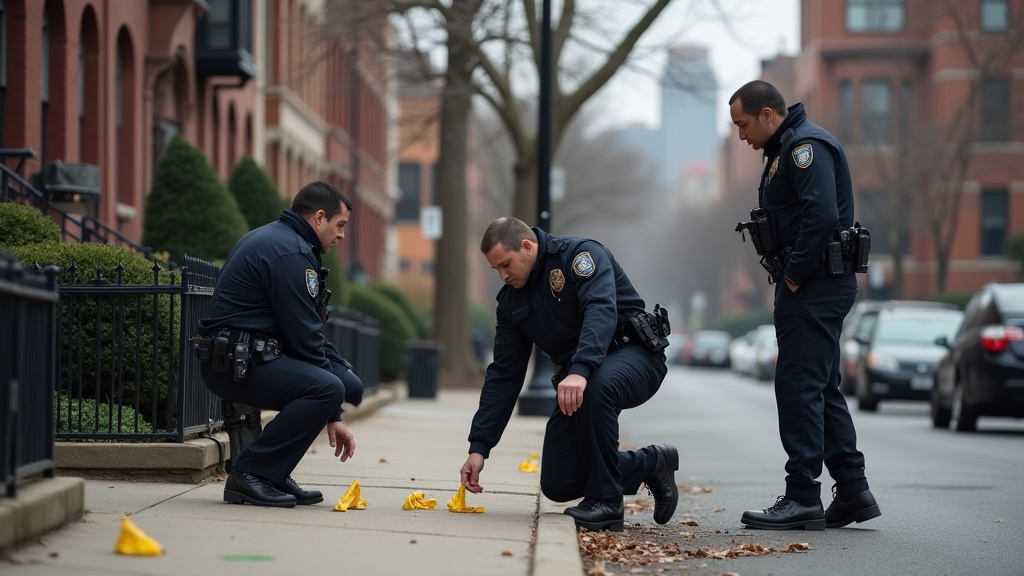
Chicago Police Superintendent Larry Snelling has finalized an 89-day suspension for Officer Michael Donnelly, stemming from a violent 2024 encounter where the officer struck a man in the head three times with his department-issued radio. The disciplinary action comes after the Civilian Office of Police Accountability (COPA) concluded that Donnelly, formerly of the Near North (18th) District tactical team, engaged in excessive force during a stop near the Cabrini-Green complex. The incident, which included Donnelly pointing his service weapon at the man’s head, underscores the persistent challenges facing the Chicago Police Department (CPD) as it navigates a rigorous landscape of oversight, public scrutiny, and internal policy enforcement. This suspension, representing the maximum discipline allowed before termination, marks a significant moment in the city’s ongoing efforts to hold tactical units accountable for operational conduct.
Key Highlights
- Maximum Discipline: Superintendent Larry Snelling imposed the maximum 89-day suspension recommended by COPA, signaling a strict stance on the use of excessive force.
- The Weaponization of Equipment: The investigation revealed that Officer Donnelly used a department-issued radio as an impact weapon, striking a civilian in the head three times during a July 2024 stop.
- Secondary Violations: Beyond the physical strike, documents confirm Donnelly violated CPD policy by pointing his firearm at the civilian’s head and utilizing excessive profanity during the detainment.
- Tactical Team Oversight: Donnelly was a member of the Near North (18th) District tactical team, a unit currently under intense scrutiny, with five of its former members stripped of police powers.
The Anatomy of a Violent Stop: Systemic Failures in Oversight
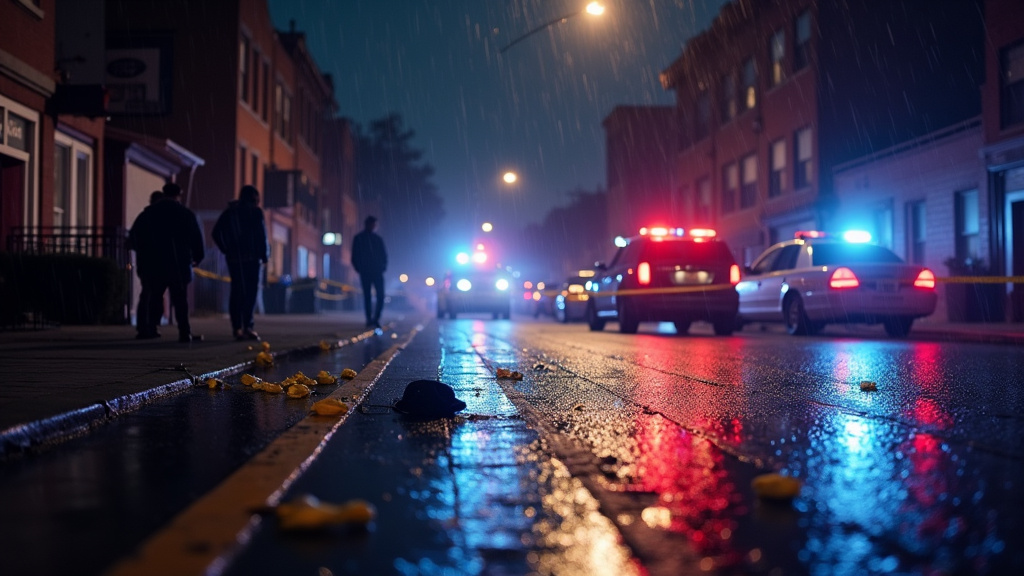
The incident in question, which occurred on July 30, 2024, near the intersection of Cambridge Avenue and Chestnut Street, serves as a flashpoint for the broader discussion surrounding CPD’s tactical unit culture. According to reports released by COPA, the encounter began when officers, monitoring surveillance cameras, identified a man they believed to be in possession of a firearm. This initial suspicion triggered a rapid tactical response, leading to a confrontation that quickly escalated from a routine stop into a use-of-force event that would ultimately cost Officer Donnelly nearly three months of pay and his police powers.
The Failure of De-escalation
At the core of the investigation is the department’s Use of Force policy, which mandates that officers prioritize de-escalation whenever possible. COPA’s findings indicate a distinct departure from these standards. Rather than utilizing non-violent de-escalation techniques, Donnelly bypassed established protocols, escalating the situation immediately by weaponizing his communication gear. Striking a suspect in the head with a radio is not only a violation of safety protocols but is widely categorized as a lethal force incident depending on the impact, yet the discipline issued reflects an internal determination that the conduct, while egregious, did not cross the threshold of termination-worthy offenses in the eyes of the current administration’s interpretation of collective bargaining agreements.
The Role of Tactical Teams

Tactical units in Chicago have long operated in a nebulous space within the department. Often deployed to “hot spots” or high-crime areas, these teams are granted a high degree of autonomy. However, the concentration of misconduct allegations within the Near North (18th) District tactical team suggests a systemic issue with culture rather than isolated “bad apples.” With five members of this specific team having been stripped of their powers, the department is effectively dismantling the operational integrity of the unit. This raises uncomfortable questions for the Chicago Police Department: Is there a toxic culture of hyper-aggression fostered within these elite squads that fundamentally undermines community trust?
The Mechanics of Discipline and the COPA Process
The disciplinary process in Chicago is a complex bureaucracy that often frustrates the public. COPA serves as the investigative arm, making recommendations based on evidence, including body-worn camera footage (which was pivotal in this case), witness statements, and internal radio logs. However, the final say resides with the Superintendent. In this instance, Superintendent Snelling’s alignment with the maximum recommendation is an attempt to exert executive control over the disciplinary narrative. By maxing out the suspension, Snelling is attempting to draw a “red line” regarding conduct that the department will no longer tolerate. Critics, however, argue that 89 days, while severe, is insufficient for acts of violence that would result in immediate termination in most private-sector professions, highlighting the unique protections afforded by police union contracts.
Historical Context: The Long Road to Reform
This incident does not occur in a vacuum. It follows years of federally mandated consent decrees, class-action lawsuits, and a push for structural police reform. The Cabrini-Green location is particularly sensitive; the area carries a heavy history regarding the relationship between the city’s housing projects and the police. When tactical teams operate with aggressive, zero-tolerance policies in these historically disenfranchised areas, the potential for constitutional violations increases exponentially. The shift in 2026 to more aggressive disciplinary action against specific officers reflects a department trying to “clean house” to avoid further federal intervention, but the sheer volume of repeat offenders, as seen in other recent disciplinary cases, suggests the structural incentives for “aggressive policing” remain embedded in the force.
FAQ: People Also Ask
1. What is the Civilian Office of Police Accountability (COPA)?
COPA is the independent agency responsible for investigating allegations of police misconduct in Chicago, including use of force, domestic violence, and coercion, providing transparency and oversight to the disciplinary process.
2. Why was the officer suspended for 89 days instead of being fired?
In Chicago, disciplinary actions are constrained by collective bargaining agreements with police unions. Terminating an officer requires a high burden of proof that withstands arbitration; an 89-day suspension is the maximum penalty the Superintendent can impose without triggering a more protracted, likely contested, termination process.
3. How does the Chicago consent decree impact these cases?
the consent decree, a court-ordered plan to reform CPD, mandates specific training on de-escalation and constitutional policing. Incidents like the one involving Officer Donnelly are reviewed to see if they violate the terms of the decree, often serving as evidence for further federal oversight.
4. What happens to the police officer’s career after an 89-day suspension?
While the officer remains employed, a suspension of this length is a major “red flag” on a personnel file. It often leads to reassignment to administrative duties, loss of specialized unit status (like tactical teams), and heightened scrutiny by oversight bodies if future complaints arise.