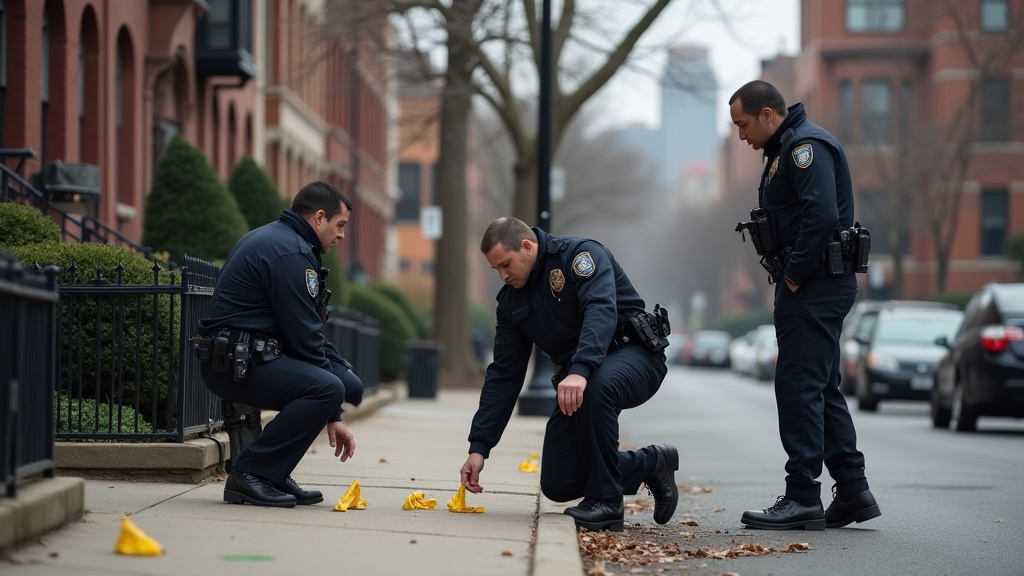
A Chicago Police Department (CPD) officer, identified as Michael Donnelly, is facing a significant 89-day suspension following a high-profile disciplinary ruling regarding an incident in which he used his department-issued radio as a weapon. The confrontation, which occurred in July 2024 near the former Cabrini-Green public housing complex, involved multiple tactical officers and has once again thrust the CPD’s use-of-force protocols under the microscope of public scrutiny. Documents released by the Civilian Office of Police Accountability (COPA) reveal that Donnelly—previously a member of the Near North (18th) Police District tactical team—did not only use his radio to strike an individual in the head three times but also allegedly pointed his service weapon at the man and utilized unprofessional, profane language during the encounter. The decision to impose the maximum allowable suspension follows an investigation that highlights persistent challenges in civilian oversight and internal police discipline.
Key Highlights
- Maximum Discipline: Chicago Police Superintendent Larry Snelling and oversight investigators have moved to impose an 89-day suspension on Officer Michael Donnelly, the maximum penalty allowed under the current disciplinary framework.
- Excessive Force Findings: The investigation concluded that Donnelly used his department-issued radio as an unauthorized weapon, striking an individual in the head three times during a detainment attempt.
- Multiple Violations: In addition to the physical assault, COPA reports found that Donnelly pointed his firearm at the individual’s head and used repeated profanity, violating core CPD conduct policies.
- Tactical Team Fallout: Donnelly is the latest member of the Near North (18th) District tactical team to face disciplinary action, marking a broader trend of increased accountability measures for specialized units within the department.
- Operational Context: The incident occurred during an attempted stop near the 800 block of Cambridge Avenue, where officers were monitoring for potential weapons possession, leading to a volatile physical struggle.
Anatomy of a Policy Failure: The Donnelly Incident and Accountability
The case of Officer Michael Donnelly serves as a stark case study in the evolving landscape of police accountability in Chicago. The incident, which took place in the summer of 2024, began when officers monitoring surveillance cameras identified an individual believed to be armed near the Cabrini-Green area. The subsequent attempt to stop and search the individual devolved into a physical altercation, resulting in the actions that COPA would later classify as excessive force.
The Mechanics of the Misconduct
What makes the Donnelly case particularly egregious in the eyes of oversight bodies is the specific misuse of standard equipment. Standard CPD training dictates the appropriate use of force, emphasizing de-escalation and the use of tools for their intended purposes. Striking a citizen with a radio—a communication device—is a clear deviation from these mandates. Furthermore, the allegation that Donnelly pointed his service weapon at the man’s head adds a layer of escalation that has drawn sharp criticism from community advocates and legal experts alike.
The investigation conducted by COPA, the agency responsible for probing police misconduct, was exhaustive. By reviewing body-worn camera footage, investigators were able to map out the exact sequence of events, confirming the three-strike radio assault. This empirical evidence made it difficult for the department to argue for a lesser penalty, compelling the Superintendent to agree to the maximum suspension of 89 days. This alignment between the oversight agency and police leadership is a notable development, suggesting a shift toward more stringent internal accountability standards, at least in cases where the evidence is indisputable.
The Broader Impact on Tactical Units
Donnelly’s suspension is not an isolated event but rather part of a larger, systemic unraveling of the Near North (18th) District tactical team. In recent months, several members of this unit have been stripped of their police powers following various investigations into misconduct. This trend raises fundamental questions about the culture and training of specialized tactical units.

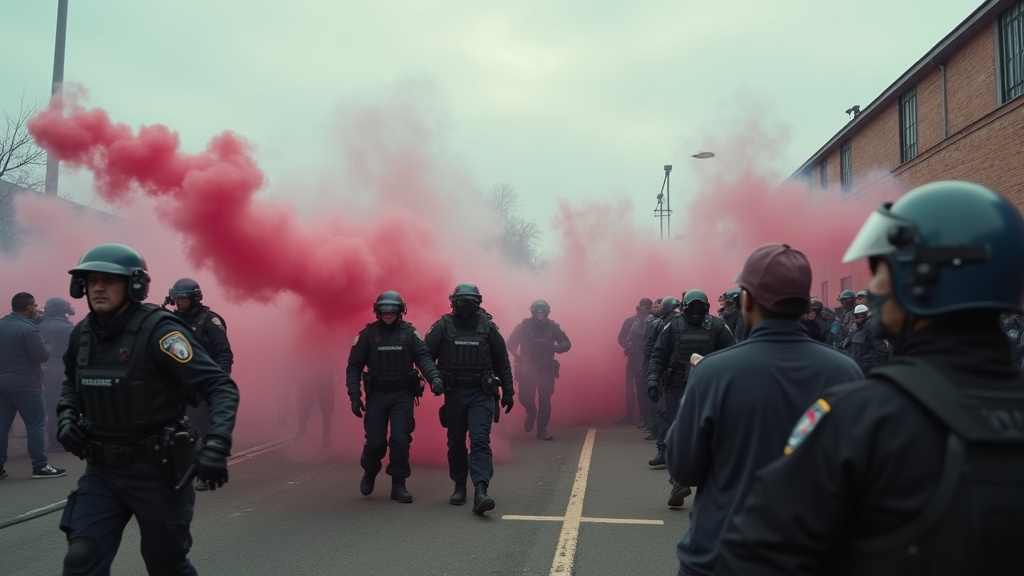

Are these units operating with an insular “us-versus-them” mentality that encourages shortcuts in procedure? Critics argue that tactical teams, often designed to deal with high-risk situations, may become desensitized to the rights of the civilians they interact with on a daily basis. When excessive force becomes a “common” occurrence, the entire department’s legitimacy is eroded. The stripping of police powers for multiple members of this team suggests that the leadership is now willing to dismantle problematic units to restore public trust, though many remain skeptical about whether this will lead to lasting cultural change within the rank-and-file.
The Role of COPA and Public Oversight
The Civilian Office of Police Accountability (COPA) has increasingly become the pivot point for these disciplinary actions. By providing the public and the Superintendent with detailed, evidence-backed reports, COPA is forcing the department to confront uncomfortable truths. However, the limitation of this power remains a topic of debate. While COPA can recommend suspensions, the final authority often rests with the Police Superintendent and, in some cases, the Police Board. The fact that the Superintendent and COPA aligned on this 89-day suspension is a positive sign for proponents of police reform, but the question of whether an 89-day suspension is sufficient for an act of physical violence remains a point of contention. For many community members, the demand is for termination, not suspension, arguing that violent behavior should be met with immediate separation from the force.
Secondary Angles: Contextualizing the Crisis
To understand the magnitude of this story, we must look beyond the immediate facts.
1. The ‘Radio-as-Weapon’ Precedent: This incident highlights the need for a comprehensive review of what officers carry and how they use it. Historically, items like heavy metal flashlights and radios have been improvised as weapons. Modern police policy must explicitly address these “improvised force” scenarios to prevent officers from defaulting to these tools when frustrated or threatened.
2. The Economic Cost of Misconduct: Every suspension and ongoing investigation carries a price tag. Beyond the immediate loss of salary for the officer, there are legal costs, potential civil rights lawsuits from the victims, and the administrative burden of replacing these officers in the field. The taxpayer ultimately bears the burden of the systemic failures that necessitate these investigations.
3. Future Policing Strategies: As Chicago moves forward, the focus is likely to shift toward “Precision Policing”—a strategy that emphasizes focused interventions rather than broad, aggressive stops that often lead to these types of confrontations. If the CPD cannot curb the behavior of its tactical teams, the push for further federal oversight or restrictive local ordinances may accelerate, further complicating the department’s operational autonomy.
FAQ: People Also Ask
What does an 89-day suspension mean for the officer?
An 89-day suspension involves a significant loss of pay and is effectively the maximum penalty short of termination. It places the officer on an unpaid status for nearly three months, serving as a severe disciplinary marker on their employment record that can impact future promotions or assignments.
Who determines the length of a suspension in the CPD?
While the Civilian Office of Police Accountability (COPA) investigates and makes recommendations, the final determination on major discipline often involves the Superintendent of Police. In instances of significant disagreement, the Chicago Police Board may step in to adjudicate.
Why are tactical teams facing so much scrutiny lately?
Specialized tactical units have faced heightened scrutiny due to a series of complaints regarding improper stops, searches, and the use of force, particularly against Black citizens. The repeated pattern of misconduct across multiple members of the 18th District tactical team has triggered systematic reviews of how these units are managed and trained.
Will Officer Donnelly face criminal charges?
While the current disciplinary action is an administrative one (suspension), administrative investigations are distinct from criminal proceedings. Whether or not criminal charges are pursued depends on findings by the State’s Attorney or other legal authorities, independent of the internal police disciplinary process.