The Chicago Park District’s 41st annual Earth Day cleanup, which culminated on Saturday, April 18, 2026, has proven to be more than a simple litter-collection event. It served as a massive, citywide demonstration of civic responsibility, bringing together residents, neighborhood groups, and corporate partners to preserve the vital green lungs of the city. As Chicago marks the official transition into full spring, the synchronization of over 190 cleanup sites highlights a sophisticated logistical operation managed by the Chicago Park District, transforming neighborhood maintenance into a powerful, unified environmental movement.
Key Highlights
- Milestone Participation: The 41st annual initiative successfully activated volunteers at over 190 park sites across the city, building on the momentum of previous years.
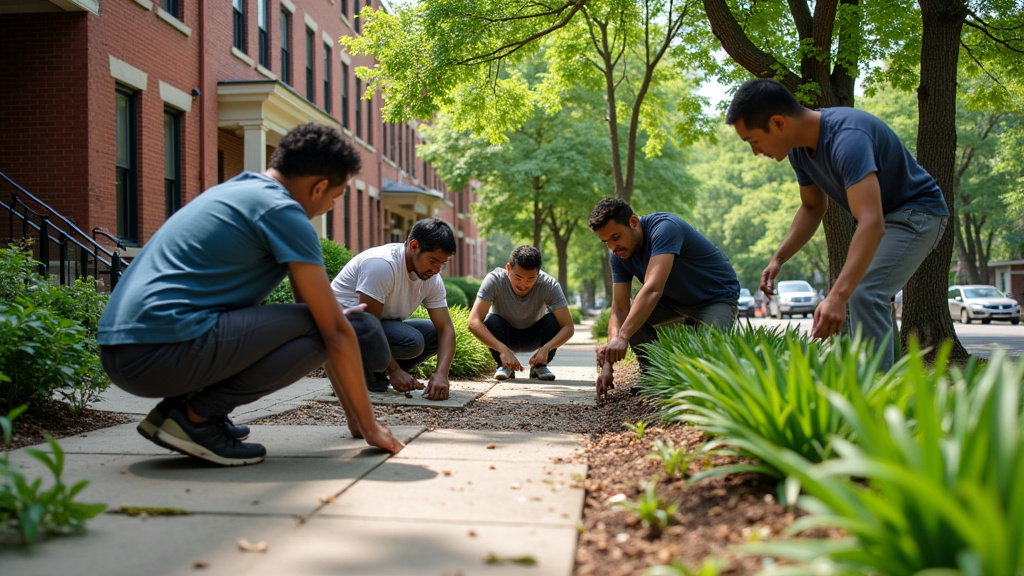
- Strategic Stewardship: Activities focused on critical infrastructure maintenance, including the precise installation of Fibar for playground safety, tree mulching for root health, and comprehensive litter removal.
- Leadership Integration: Led by General Superintendent and CEO Carlos Ramirez-Rosa, the event utilized a decentralized leadership model, empowering over 150 volunteer ‘site captains’ to oversee local operations.
- Public-Private Collaboration: Major partnerships with organizations like Friends of the Parks, Serve Robotics, and Oracle demonstrated the power of combined corporate, municipal, and non-profit resources in tackling urban environmental challenges.
The Architecture of Urban Restoration
A Decentralized Approach to City Maintenance
At the core of the Chicago Park District’s success this year was its decentralized management strategy. By recruiting and training over 150 site captains, the district successfully scaled its operations to reach corners of the city that might otherwise see fragmented maintenance. These captains acted as the bridge between municipal resources—trash bags, gloves, and specialized tools—and the boots-on-the-ground volunteer force. This model not only ensures efficiency in the cleanup process but also fosters deep, localized ownership. When residents are empowered to take charge of ‘their’ specific neighborhood park, the psychological impact on community cohesion is profound. It shifts the narrative of parks from passive amenities that the city ‘provides’ to active, shared spaces that the community ‘nurtures.’
Ecological Resilience and Urban Biodiversity
Beyond the visible removal of litter, the Earth Day cleanup is a critical component of Chicago’s long-term environmental resilience. Urban heat islands, a significant concern in high-density metropolitan areas like Chicago, can be mitigated through healthy, well-maintained green spaces. By mulching trees—a core activity for this year’s volunteers—participants directly contributed to soil moisture retention and the long-term health of the city’s canopy. As Chicago continues to face the erratic weather patterns associated with climate change, maintaining permeable, healthy soil surfaces is essential for effective stormwater management. Every square foot of mulch laid is a step toward making the city’s parks more capable of absorbing heavy rainfall, thereby reducing pressure on the city’s aging sewer systems and lowering flood risks in surrounding neighborhoods.
Strengthening the Civic Fabric




The involvement of sister agencies, such as the Chicago Transit Authority (CTA), adds a unique layer to the event. When CTA employees and their families dedicate time to ‘adopting’ playgrounds, they are reinforcing the idea that infrastructure isn’t just about utility; it’s about quality of life. This cross-departmental and cross-community involvement creates a ‘virtuous cycle’ of civic pride. Seeing neighbors, local transit workers, and corporate teams working side-by-side to install safety material like Fibar provides a tangible lesson in civic participation. It demystifies the bureaucratic machinery of the city, showing that effective urban management is a collaborative, human endeavor rather than a faceless government function.
Economic and Social Multipliers
There is an undeniable economic component to these cleanup efforts. While the primary goal is ecological, the byproduct is neighborhood stabilization. Parks are significant drivers of local property values and essential for the mental health of residents. Well-maintained parks attract visitors, encourage physical activity, and provide safe spaces for children. By organizing these cleanups annually, the Chicago Park District is effectively performing preventative maintenance that would otherwise cost the taxpayer millions in contracted labor. The volunteer hours—numbering in the thousands—represent a massive infusion of social capital that amplifies the city’s operating budget, allowing for funds to be reallocated toward more intensive capital projects elsewhere.
Future-Proofing for Climate Change
As we look beyond the 2026 Earth Day events, the Chicago Park District is clearly signaling a shift toward more integrated sustainability efforts. Initiatives like the ‘Open Air Chicago’ air sensor network and electronics recycling drives, which run concurrent to Earth Month, suggest a holistic view of urban health. The future of this cleanup model likely lies in technology-assisted volunteerism, where data from these sensors can help identify which parks might need specific interventions, such as increased tree planting or specialized drainage solutions. By combining traditional manual labor—the backbone of the Earth Day cleanup—with modern data-driven ecological management, the Park District is building a template for other major cities to follow.
FAQ: People Also Ask
How does the Chicago Park District determine which parks get priority for cleanup?
While the citywide event covers over 190 locations, the district works with local park supervisors and utilizes feedback from residents. Priority is often given to parks with high foot traffic, sites requiring specific maintenance like Fibar replenishment for safety, or areas identified as having unique environmental needs. Community groups and site captains also play a vital role in flagging locations that require additional attention.
Is the Earth Day cleanup open to all ages, and do I need to be a professional landscaper?
Yes, the events are designed to be inclusive. The cleanup tasks—litter removal, basic mulching, and debris gathering—are labor-intensive but do not require specialized skills or professional landscaping experience. The district provides on-site guidance for all volunteers, and participants of all ages are encouraged to join, provided minors are accompanied by an adult.
Why is the event date often before Earth Day itself?
The Chicago Park District often schedules the primary citywide cleanup on the Saturday preceding Earth Day (April 18, 2026). This strategic timing ensures that the parks are pristine by the time Earth Day (April 22) arrives, allowing families and community groups to enjoy the ‘fruits of their labor’ on the actual day of celebration. It also helps manage municipal logistics by spreading the resource distribution over a wider window.
How can I get involved in park maintenance if I missed the Earth Day event?
The Chicago Park District operates a year-round volunteer program. Residents can visit the district’s official volunteer portal to sign up for various stewardship roles, including athletic coaching, gardening docents, and long-term park advisory councils. The district emphasizes that park stewardship is a continuous cycle, not just an annual event.