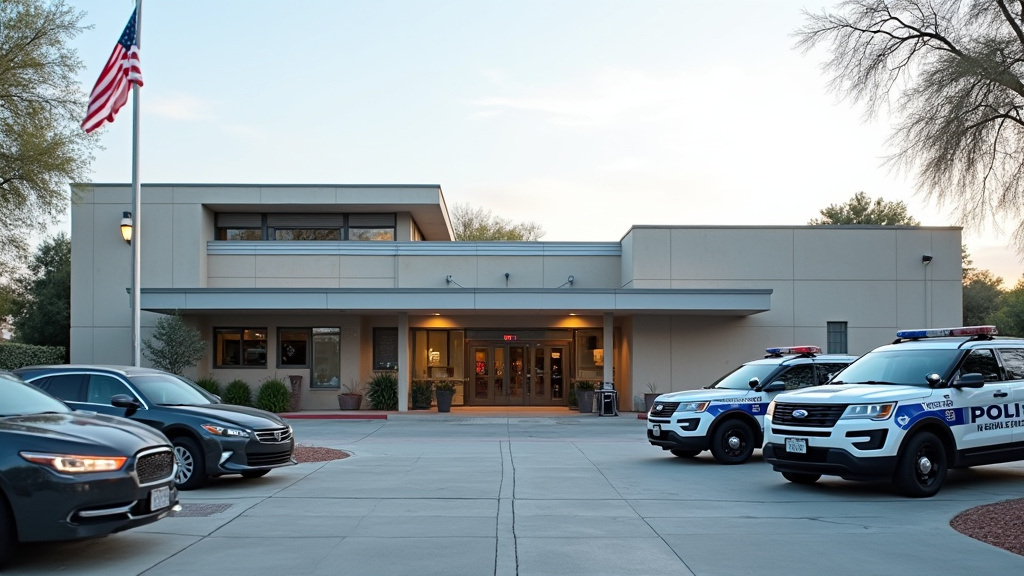
In a harrowing development that has shaken the South Side of Chicago and the broader funeral industry, state authorities have officially shut down a South Chicago funeral home after the discovery of 56 sets of decomposing remains. The facility, identified through subsequent investigations as Cage Memorial Chapel, was found to be operating in “deplorable conditions,” failing to meet even the most basic standards of dignity, sanitation, and regulatory compliance. The discovery has launched a multi-agency investigation, leaving dozens of families in a state of profound uncertainty regarding the final resting places of their loved ones.
The Discovery and Immediate Response
The discovery occurred following reports of unusual activity and complaints regarding the funeral home’s operations. Upon entering the facility, officials were met with what reports describe as a chaotic and unsanitary environment. The 56 sets of remains found on-site were not being held in the appropriate refrigerated storage required by law, leading to severe decomposition. This failure represents a catastrophic breach of public trust and professional duty.
Following the discovery, the Illinois Department of Financial and Professional Regulation (IDFPR) took swift action, suspending the funeral director’s license immediately. This suspension prevents the director from operating the facility while the investigation continues. The Cook County Medical Examiner’s office was immediately mobilized to take custody of the remains. Their primary task is a complex, high-stakes forensic operation: identifying each individual and, where possible, determining the length of time the remains had been left in the facility’s care.
Regulatory Failure and the IDFPR Investigation
The central question emerging from this tragedy is how a licensed facility was allowed to deteriorate to such a state without intervention. The IDFPR is the primary regulatory body responsible for overseeing the funeral and embalming industry in Illinois. The state’s investigation is currently focused on two fronts: determining the timeline of the negligence and establishing whether any criminal statutes were violated, such as abuse of a corpse or professional misconduct.
Funeral homes are subject to strict administrative codes, including mandates on the temperature and duration of storage for remains. The state of Illinois requires that any human remains not buried or cremated within a specific timeframe must be kept in appropriate cold storage. The conditions at the facility suggest a complete abandonment of these protocols, raising alarms about the frequency and rigor of state inspections. Advocates are now calling for a comprehensive audit of all funeral facilities in the region to ensure that no other families are subjected to the same indignity.
The Human Toll: Families in Limbo




Beyond the regulatory failures, the incident represents a devastating emotional blow to the 56 families connected to the remains. For many, funeral planning is a process of closure and grief; the revelation that their loved ones were kept in such abhorrent conditions has effectively reopened wounds. The Cook County Medical Examiner is currently working to contact next-of-kin, a process that is expected to be lengthy and emotionally taxing, given the state of the remains.
Many families have expressed frustration over the lack of communication from the funeral home prior to the discovery. Reports indicate that some families had been awaiting ashes or burial arrangements for months, only to be met with excuses or silence. The psychological impact of realizing one’s deceased relative was subjected to such neglect cannot be overstated, and legal experts predict that a wave of civil litigation will likely follow the state’s findings.
Systemic Issues: Illinois Funeral Regulations
The funeral industry in the United States operates under a patchwork of state-level regulations. In Illinois, the threshold for licensing, training, and ongoing inspection is rigorous on paper, but the enforcement mechanisms often rely on proactive reporting or periodic, scheduled inspections. The situation in South Chicago highlights a potential gap: when a business stops adhering to industry standards, there is often no immediate mechanism to flag the issue until a catastrophic event forces authorities to act.
Industry insiders argue that the incident at the funeral home should trigger a reassessment of how these facilities are monitored. This includes the potential for unannounced, random inspections of all funeral homes in Cook County to verify that storage capabilities match the volume of business being conducted. When a funeral home takes on more business than its infrastructure can support, the risk of improper storage skyrockets. The current tragedy serves as a grim warning about the consequences of prioritizing profit or operational capacity over the basic requirements of mortality care.
Industry Accountability and Future Reform
The events in Chicago have reignited the national conversation regarding the oversight of death care facilities. Similar cases have occurred in other states, where funeral homes have abandoned their responsibilities, leaving municipalities to foot the bill for final arrangements and identification. This incident has put the Illinois Funeral Directors Association and other professional bodies under pressure to advocate for tighter legislative control.
Proposed reforms likely include stricter reporting requirements for the disposal of remains, mandated digital tracking systems for all bodies under a facility’s care, and increased funding for state regulatory agencies to perform more frequent, surprise inspections. While these measures cannot undo the damage done to the 56 families, they are viewed as essential steps to prevent a recurrence of such a significant violation of human dignity and public health standards.
FAQ: People Also Ask
1. How were the 56 remains discovered at the funeral home?
Authorities discovered the remains following complaints and reports regarding the facility’s operations. Upon inspection, they found the remains were not stored in mandated refrigeration, leading to advanced decomposition. This prompted the immediate intervention of the Cook County Medical Examiner.
2. Is the funeral home still operating?
No. The state of Illinois has suspended the license of the funeral director, effectively shutting down the facility. The investigation by the Illinois Department of Financial and Professional Regulation (IDFPR) is ongoing.
3. What is the role of the Cook County Medical Examiner in this case?
The Medical Examiner’s office has taken custody of the remains to perform the difficult task of identification. They are working to confirm the identities of each of the 56 individuals to ensure they are returned to their families for proper final arrangements.
4. What legal consequences could the funeral home face?
Beyond the loss of licensure, the funeral home and its directors could face civil lawsuits from affected families for negligence and infliction of emotional distress, as well as potential criminal charges related to the improper handling of human remains, depending on the findings of the state’s investigation.