Patrick Kane’s highly anticipated return to the United Center on October 6, 2026, as a member of the St. Louis Blues marks a surreal chapter in NHL history. The legendary forward, who defined the Chicago Blackhawks’ dynasty, now skates against his former team in a homecoming that underscores the fluidity of modern professional sports. For Blackhawks fans, seeing Kane in the blue and gold of a division rival is a stark reminder of how the franchise has pivoted toward a new era, leaving behind the glory years to face the complexities of a long-term rebuild.
- Patrick Kane returns to the United Center for the Blackhawks’ home opener, now wearing the jersey of the St. Louis Blues.
- The October 6, 2026 matchup is expected to draw record viewership and intense fan sentiment given Kane’s legacy in Chicago.
- Kane’s transition to a divisional rival represents a significant shift in the Blackhawks’ long-term rebuilding narrative, forcing fans to reconcile past success with present strategy.
The Anatomy of a Second Act
The narrative of the “second act” in professional sports is rarely linear, yet Patrick Kane’s arrival at the United Center on October 6, 2026, feels remarkably heavy. For years, the United Center was the theater where Kane performed his most iconic feats—the 2010 overtime goal, the 2013 comeback, and the sustained excellence that delivered three Stanley Cup championships to Chicago. To witness him wearing the crest of the St. Louis Blues—a team that has historically been one of Chicago’s most bitter rivals—is a disorienting experience for the fanbase. However, in the salary cap era of the NHL, loyalty to a single franchise is becoming a historical artifact rather than a standard expectation. Kane’s move to St. Louis is not merely a change of address; it is a tactical decision by the veteran to pursue competitive relevance in the twilight of his career. This reflects a broader trend in the league where generational talents, faced with inevitable team cycles, seek greener pastures to continue their pursuit of individual milestones and team glory. This homecoming is less about a betrayal and more about the brutal reality of professional athletics.
The Tactical Shift in the Central Division
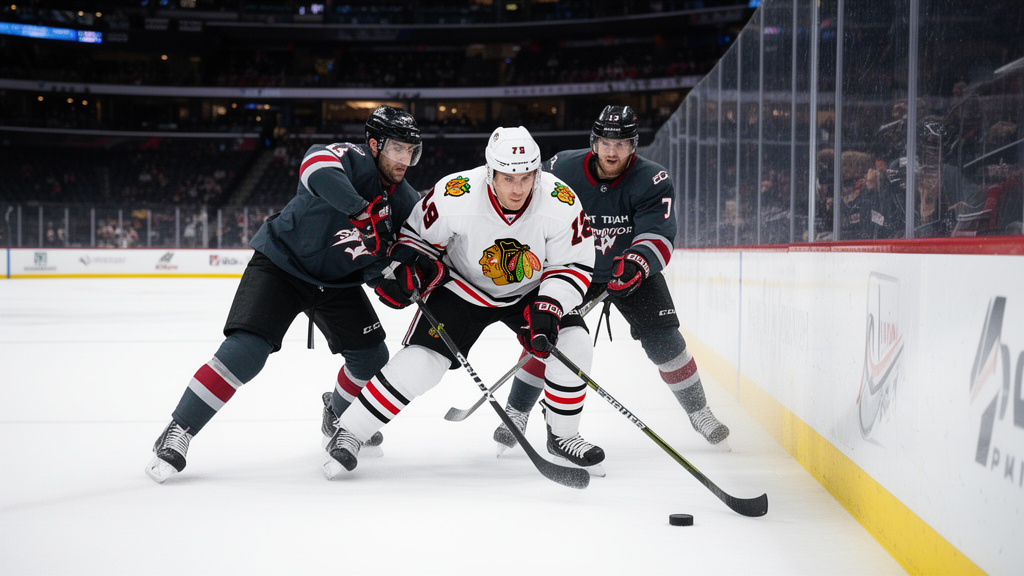
Beyond the emotional optics of the night, the game itself carries significant weight for the Central Division standings. The Chicago Blackhawks, currently in a phase of aggressive rebuilding and talent accumulation, are focused on developing their youth core. Kane, on the other hand, brings a veteran toolkit to the Blues that is designed to elevate their offensive transition game. Watching Kane navigate the ice against the younger, faster Blackhawks lineup provides a fascinating contrast in playstyles. The Blackhawks’ defensive structure, designed specifically to stifle the kind of zone-entry efficiency that Kane pioneered, faces its ultimate test against the man who wrote the playbook. Coaches and analysts will be watching closely to see if Chicago’s defensive system can contain the very habits they instilled in their former star. This is a “teacher versus student” dynamic writ large, where the tactical nuances Kane once championed are now being weaponized against his former home.
The Economic and Cultural Impact of the Return
The financial footprint of this October 6th matchup extends well beyond the ticket office at the United Center. Marquee games involving franchise legends returning to their former homes generate a unique economic surge in the local hospitality and media sectors. The “Kane Effect” is tangible; merchandise sales, pre-game hospitality bookings, and broadcast advertising rates for this specific contest have soared, illustrating the enduring marketability of a true NHL icon. Culturally, this game serves as an inflection point for the city of Chicago. It signals the finality of the “Dynasty Era.” The Blackhawks organization is moving forward, with new leaders, new expectations, and a different strategic timeline. While the fans will undoubtedly cheer for Kane—acknowledging the three banners hanging in the rafters that he helped secure—the underlying message of the night is clear: the future is the priority. The event serves as a bridge between the reverence of the past and the necessity of looking forward.
FAQ: People Also Ask
Why is Patrick Kane playing for the St. Louis Blues?
Patrick Kane signed with the St. Louis Blues to pursue a role on a contending team, leveraging his veteran experience and offensive playmaking ability to bolster their roster during his later career years.
Is this the first time Patrick Kane has played against the Blackhawks?
No, but this specific return to the United Center on October 6, 2026, is highly significant as it is the official home opener for the Blackhawks, making it the most symbolic “homecoming” game in his tenure with the Blues.
How are Chicago fans expected to react to his return?
The reaction is expected to be a mix of intense nostalgia and respect. While Kane is a divisional rival, his role in the Blackhawks’ three Stanley Cup victories makes him a permanent legend in Chicago sports history, likely resulting in a warm reception during pre-game ceremonies.