The culinary landscape of Chicago’s North Side has officially shifted with the arrival of Noodleverse at 3139 N. Broadway. This move marks a significant evolution for the brand, which previously operated within the ecosystem of a Chinatown food court. By securing a standalone storefront in the heart of Lakeview, Noodleverse is not just relocating; it is signaling a broader trend of authentic, regionally specific Chinese cuisine moving out of traditional enclaves and into the competitive, high-traffic neighborhoods of Chicago. This transition serves as a case study in how modern food startups are leveraging the ‘incubator’ model of food halls to prove their concept before scaling into permanent, brick-and-mortar operations.
Key Highlights
- Strategic Expansion: Noodleverse has transitioned from a Chinatown food court stall to a standalone restaurant at 3139 N. Broadway in Lakeview.
- Culinary Focus: The menu emphasizes authentic hand-pulled noodles, specifically the Shaanxi-style ‘Biang Biang’ variety, known for their distinct width and chew.
- Neighborhood Impact: The opening anchors the 3139 N. Broadway corridor, catering to a growing demand for diverse, fast-casual dining options in the Lakeview community.
- Evolutionary Business Model: The move highlights a successful transition from low-overhead incubator spaces to full-scale commercial real estate, mirroring a wider trend in the Chicago hospitality sector.
The Evolution of the Noodle House: From Incubator to Main Street
The story of Noodleverse is fundamentally about the ‘incubator’ effect. In recent years, Chicago’s Chinatown food courts—such as those found in larger retail complexes—have served as vital breeding grounds for culinary talent. These spaces allow chefs to test complex, labor-intensive menus like hand-pulled noodles without the immediate crushing weight of long-term commercial leases or expensive build-outs. For Noodleverse, the food court was more than a place of business; it was a laboratory where the refinement of their signature dough techniques and sauce-to-noodle ratios could be perfected under the scrutiny of an audience that knows authentic flavors.
Moving to 3139 N. Broadway is the logical next step in a business lifecycle that prioritizes scalability. Lakeview, with its high density of young professionals and culinary-curious diners, offers a different type of challenge: one of volume and broad-spectrum appeal. The move signifies that the brand is confident its product has graduated from a niche regional delicacy to a mainstream crowd-pleaser. This leap is emblematic of a broader shift in the city’s dining scene where the ‘destination’ is no longer just the neighborhood, but the quality of the dish itself.
The Anatomy of Authentic Hand-Pulled Noodles
Central to the Noodleverse experience is the craft of the noodle itself. Unlike mass-produced, extruded pasta, the Shaanxi-style noodles served at this new location require a mastery of gluten development and manual manipulation. The dough must be rested, stretched, and slapped against the counter—a process that creates the distinct, belt-like width and firm, satisfying chew (often called ‘Q’ in Mandarin, referring to the perfect bouncy texture) that defines the dish.
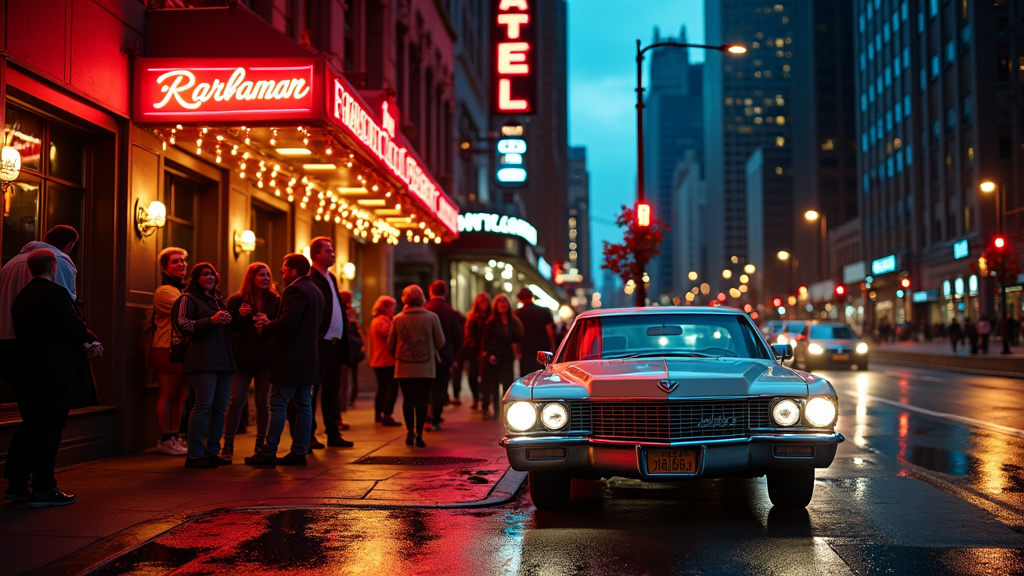
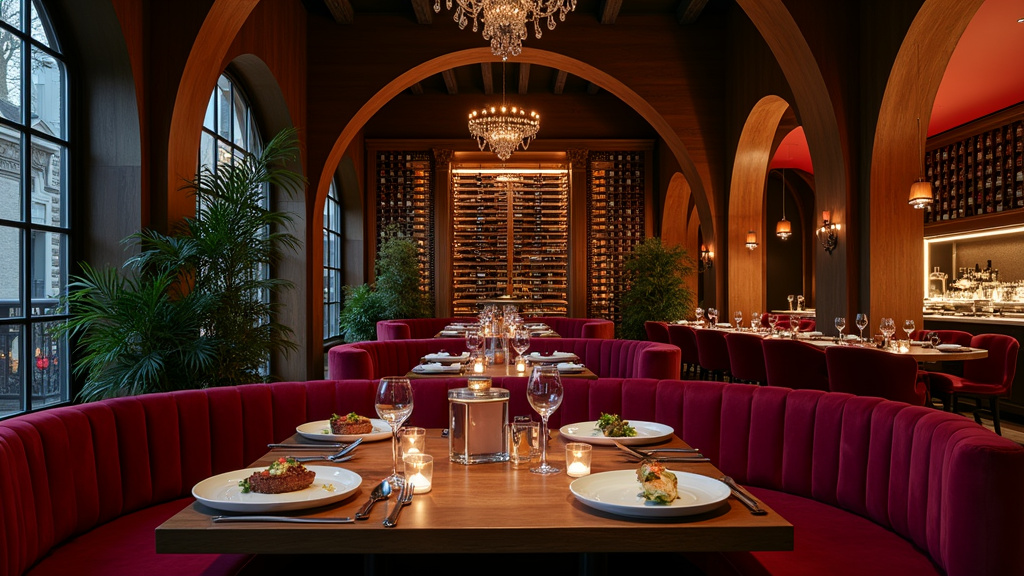
At 3139 N. Broadway, the open-kitchen design allows diners to witness this tactile process. This transparency is crucial for the modern consumer, who increasingly conflates the visible labor of cooking with value. When a patron sees the chef pulling dough in real-time, the $15–$20 price point becomes a reflection of labor and art rather than just food cost. It is this sensory theater that justifies the restaurant’s migration from the food court to the storefront, creating an experience that is as much about the process as it is about the consumption.
Lakeview’s Culinary Renaissance and the 3139 N. Broadway Corridor
The 3139 N. Broadway location sits at a critical juncture for Lakeview’s retail landscape. As traditional fast-casual chains face scrutiny over quality and authenticity, independent concepts like Noodleverse are capturing the market share of diners seeking higher-quality, culturally rich experiences. This stretch of Broadway has historically hosted a rotating cast of eateries, but the entry of a specialized, authentic noodle shop brings a needed sense of place and distinct identity to the block.
Economic analysts tracking neighborhood development note that successful independent restaurants serve as ‘anchors’ that drive foot traffic for surrounding businesses. By creating a specific reason to visit that block—the draw of high-quality, authentic Biang Biang noodles—Noodleverse is contributing to a more vibrant local ecosystem. This is a strategic move that benefits the business by tapping into a hungry, local demographic, and it benefits the neighborhood by stabilizing the street-level retail environment.
Future-Proofing the Business Model
What lies ahead for Noodleverse? As they settle into their Lakeview home, the focus will undoubtedly shift to maintaining quality control at a higher volume. The transition to a standalone restaurant comes with increased overhead, from staffing and front-of-house management to the demands of a larger footprint. However, the data from similar successful transplants suggests that once the brand establishes a loyal local following, the operational efficiencies of a dedicated kitchen can actually lead to better profitability than the fragmented nature of a food court.
Moreover, the trend of ‘regional-to-mainstream’ dining shows no signs of slowing. As Chicagoans continue to travel and diversify their palates, the hunger for authentic, regional cuisines—specifically those that require specialized skill—will continue to define the next era of local dining. Noodleverse is well-positioned, not just as a restaurant, but as a cultural bridge for the Lakeview community, offering a taste of authentic Shaanxi heritage in a setting that feels contemporary, accessible, and exciting.
FAQ: People Also Ask
Q: What is the main difference between Noodleverse’s new location and their food court roots?
A: The primary difference is the transition from a shared, incubator-style environment to a dedicated, standalone brick-and-mortar storefront. This allows for a more controlled dining atmosphere, an expanded menu, and the ability to scale operations in a high-traffic neighborhood like Lakeview.
Q: Is the menu at the new Lakeview location identical to the original?
A: While the core staples like the hand-pulled Biang Biang noodles remain, the standalone location allows for a more refined menu and potentially new seasonal specials that take advantage of the larger kitchen infrastructure.
Q: What kind of noodles does Noodleverse specialize in?
A: Noodleverse specializes in authentic Shaanxi-style hand-pulled noodles. These are famous for their width, chewiness, and ability to hold up against robust, spicy, and savory sauces—often including ingredients like cumin lamb, chili oil, and fresh aromatics.
Q: Why is the location at 3139 N. Broadway significant?
A: This location places Noodleverse in a high-density area of Lakeview that has a strong demand for diverse, high-quality, and authentic dining options, allowing the brand to reach a broader audience beyond the Chinatown demographic.