The Automate 2026 trade show, held at the sprawling McCormick Place in Chicago, has officially cemented its status as the epicenter of the global robotics revolution. Following the event’s conclusion, industry analysts have labeled it the most significant gathering in the history of the Association for Advancing Automation (A3). The show floor, which saw record-breaking square footage utilization, was defined by a palpable shift: the transition from traditional, rule-based automation to the era of ‘Physical AI.’
The Rise of Physical AI
For decades, the robotics industry was defined by deterministic machines—robots that followed strict, pre-programmed paths. Automate 2026 shattered this legacy. The dominant theme was the convergence of Large Language Models (LLMs) and computer vision into the physical realm. This ‘Physical AI’ allows robots to perceive, reason, and adapt to unstructured environments, such as complex logistics warehouses or unpredictable manufacturing lines. Exhibitors demonstrated systems that could visually inspect anomalies, adjust grip pressure based on object texture in real-time, and ‘learn’ tasks through observation rather than intensive coding. This technology is no longer theoretical; it is ready for deployment, evidenced by the unprecedented integration seen across the McCormick Place expo halls.
The Titan Entrance: Nvidia and Siemens
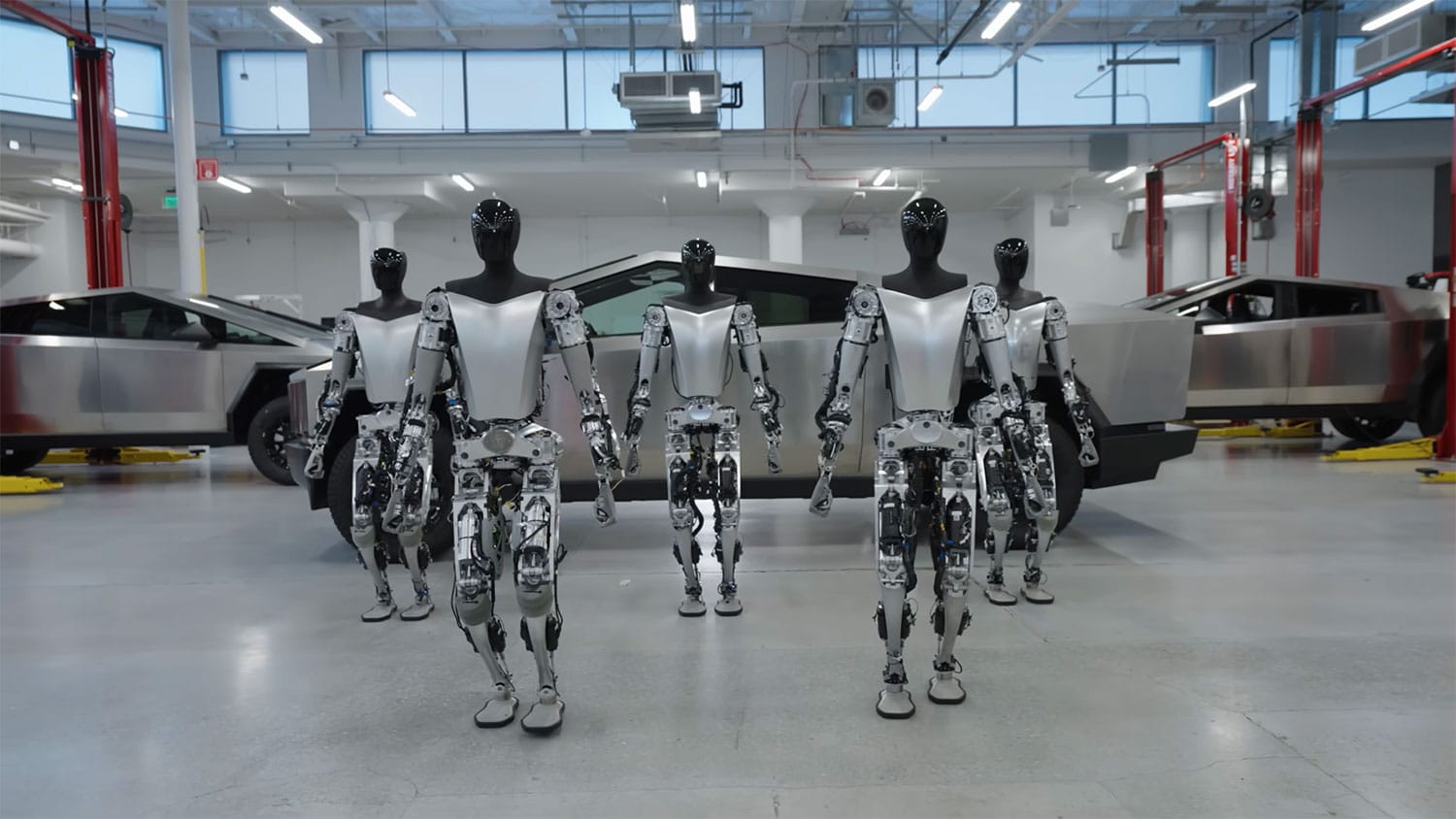



The participation of tech behemoths like Nvidia and Siemens served as the primary catalyst for the show’s explosive growth. For years, the divide between ‘big tech’ (software/AI) and ‘industrial tech’ (robotics/hardware) was stark. Automate 2026 effectively dissolved this barrier. Nvidia’s presence highlighted the critical nature of simulated environments—digital twins—where robots are trained in virtual Chicago-based factories long before a physical machine is built. Siemens, meanwhile, showcased its sophisticated industrial edge computing, proving that the future of the factory floor is not just about metal and gears, but about data orchestration and software-defined automation. Their involvement legitimized the scalability of these advanced systems, drawing investors and C-suite executives who were previously skeptical of the AI hype cycle.
Workforce Shortages and Economic Resilience
Underpinning the frenzy at McCormick Place was a stark economic reality: the global labor gap. The 2026 data presented at the show indicated that manufacturers are facing a higher volume of ‘unfillable’ vacancies than at any point in the last decade. This demographic cliff, combined with the rising demand for near-shoring production back to North America, has turned automation from a competitive advantage into an existential necessity. The surge in attendee interest was primarily driven by small-to-medium enterprises (SMEs) seeking ‘plug-and-play’ solutions. These businesses are no longer looking for custom, multi-million dollar robotics cells; they are demanding modular, AI-driven cobots that can be deployed by existing staff to perform dangerous or repetitive tasks, thereby stabilizing output against a volatile labor market.
Global Innovation and Future Trajectories
While the American market was the primary focus, the international presence was notably robust. Delegations from the EU and East Asia brought specific innovations in collaborative safety standards and battery-integrated locomotion, suggesting that the industry is entering a phase of rapid cross-pollination. The Automate 2026 show served as a melting pot where European safety-first engineering collided with American AI agility. Moving forward, the industry trajectory is clear: the integration of autonomous mobile robots (AMRs) with static manipulator arms will become the standard. The conversations held in Chicago underscored that the winners of the next decade will not be the companies that sell the fastest robots, but those that sell the most ‘intelligent’ robots—machines capable of autonomous decision-making in the face of supply chain disruptions and labor scarcity.
FAQ: People Also Ask
Q: What was the primary driver of the growth at Automate 2026?
A: The primary driver was the shift toward ‘Physical AI,’ where AI software allows robots to adapt to unpredictable environments, coupled with the urgent industry need to bridge critical workforce shortages by automating repetitive and hazardous tasks.
Q: Why was the presence of companies like Nvidia and Siemens significant?
A: Their participation marked the official convergence of Big Tech (AI/Software) and Industrial Tech (Hardware). This legitimized the industry’s pivot toward software-defined robotics and high-fidelity digital twins, moving automation from custom-built solutions to scalable, intelligent systems.
Q: How does Physical AI address the current labor market issues?
A: Physical AI allows robots to operate in unstructured environments, enabling businesses to augment their human workforce rather than needing highly specialized, expensive robotics engineers to program every movement. This makes automation accessible to smaller companies facing labor shortages.
Q: What is the significance of the location, McCormick Place?
A: McCormick Place in Chicago is the largest convention center in North America. Its ability to host the massive footprint required for Automate 2026 signals that the automation industry has moved from a niche sector to a top-tier global economic pillar.