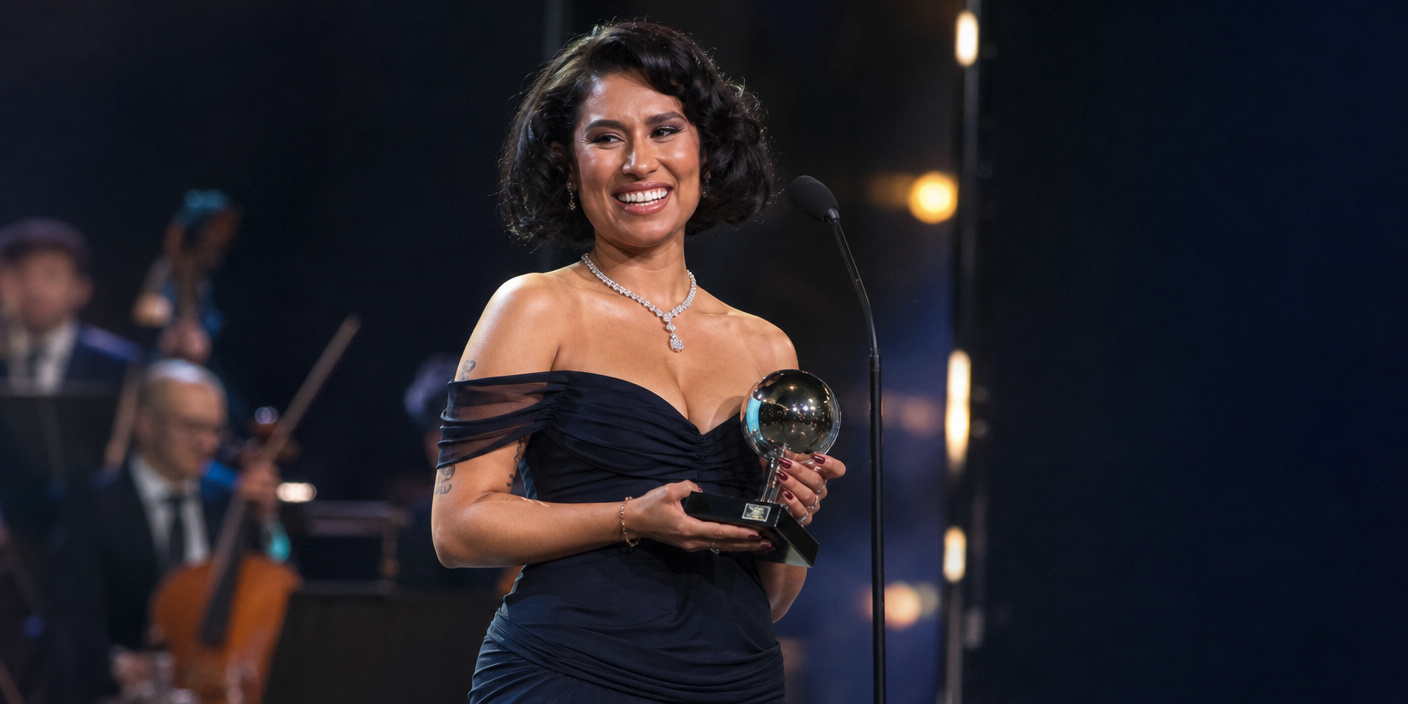
The 27th Annual Latin Grammy Awards, hosted in the vibrant heart of Las Vegas, concluded tonight as a historic celebration of musical innovation and cross-generational influence. In a night defined by artistic boundary-pushing, Spanish icon Rosalía secured the most prestigious accolades, including Album of the Year and Song of the Year, cementing her status as the definitive powerhouse of the contemporary Latin music scene. Joining her at the forefront of this year’s narrative was the young sensation Milo J, whose rapid ascent and collaborative efforts earned him a leading role in the evening’s festivities, signaling a significant shift in the industry’s sonic trajectory.
Key Highlights:
- Rosalía wins Album of the Year and Song of the Year, marking a career-defining sweep at the 27th Latin Grammys.
- Milo J establishes his place as a leading figure, garnering critical acclaim and key wins for his contributions to the 2026 musical landscape.
- Daddy Yankee is honored as the Latin Recording Academy’s 2026 Person of the Year, acknowledging his unparalleled legacy in defining Reggaeton.
- Las Vegas continues to host the premiere event, maintaining its position as the global hub for Latin entertainment.
A New Era of Latin Sound: The 2026 Awards Analysis
The 27th Annual Latin Grammy Awards represented more than just an awards show; it served as a definitive cultural snapshot of the evolving Latin soundscape. While traditional rhythms and established stars remained central to the night’s energy, the awards highlighted a clear, irreversible tilt toward genre-blending and experimental production.
The Resurgence of the Avant-Garde
Rosalía’s dominance this year was not merely a matter of popularity but a testament to her technical evolution. Her sweep of Album of the Year and Song of the Year underscores a wider industry trend where the Latin Recording Academy is increasingly rewarding albums that defy singular categorization. By fusing flamenco roots with electronic textures, she has provided a blueprint for other artists to follow, forcing a recalibration of what constitutes a ‘Latin’ hit in the mid-2020s.
The Rise of Milo J and the Next Gen


Alongside Rosalía, the presence of Milo J acted as a bridge between the traditional industry structures and the new, streaming-first generation of artists. His ability to command the stage at the 27th Latin Grammy Awards demonstrates the power of digital-native talent. Industry analysts note that Milo J’s influence is representative of a larger shift: the democratization of music production, where young artists command significant market share long before traditional major label backing, disrupting the established order of music accolades.
Daddy Yankee: Celebrating a Titan of Industry
Perhaps the most emotional moment of the evening was the tribute to Daddy Yankee. Named the 2026 Person of the Year, his legacy is inextricably linked to the global expansion of the Latin market. His career is often viewed as the catalyst for the current ubiquity of Reggaeton. The honor serves as a bookend to his active touring career, acknowledging the foundational role he played in building the infrastructure for the very artists—like Rosalía and Milo J—who dominated the stage tonight. The tribute was a reminder of the genre’s humble origins and its current status as a global economic juggernaut.
The Economic Impact of the Las Vegas Residency
Beyond the performances, the economic footprint of the 27th Annual Latin Grammy Awards in Las Vegas cannot be understated. As a recurring host city, Las Vegas has effectively turned this week into a localized super-event, driving significant revenue in hospitality, luxury tourism, and high-end event production. The clustering of industry-exclusive networking events, brand activations, and concert series around the awards show creates an ‘awards week’ ecosystem that acts as a primary economic engine for the city during the shoulder season.
Technological Shifts in Live Performance
This year’s production quality signaled a move toward highly personalized, immersive stage experiences. From augmented reality (AR) integrations in the opening sets to real-time, global data-tracking of audience engagement during the broadcast, the 2026 ceremony utilized technology to bridge the gap between the live Las Vegas audience and the international viewer. This evolution in broadcast technology is essential for the future of the Latin Grammys as they continue to court a younger, tech-savvy global demographic that consumes music primarily through interactive, short-form digital media.
FAQ: People Also Ask
Q: Who were the biggest winners at the 2026 Latin Grammy Awards?
A: Rosalía was the night’s biggest winner, taking home the top honors of Album of the Year and Song of the Year. Milo J was also a key standout, receiving multiple nominations and awards that recognized his leadership in the new generation of Latin artists.
Q: Why was Daddy Yankee honored at the 2026 Latin Grammys?
A: The Latin Recording Academy honored Daddy Yankee as the 2026 Person of the Year in recognition of his monumental contributions to the Latin music industry, specifically his foundational role in popularizing Reggaeton worldwide.
Q: Where were the 27th Annual Latin Grammy Awards held?
A: The 27th Annual Latin Grammy Awards were held in Las Vegas, continuing the city’s tradition of hosting the prestigious ceremony and its associated week of events.
Q: What does the success of Rosalía and Milo J say about the current state of Latin music?
A: Their success indicates a strong shift toward experimental and genre-fluid music. It reflects an industry that is increasingly rewarding artists who blend traditional regional sounds with modern electronic and urban production styles.