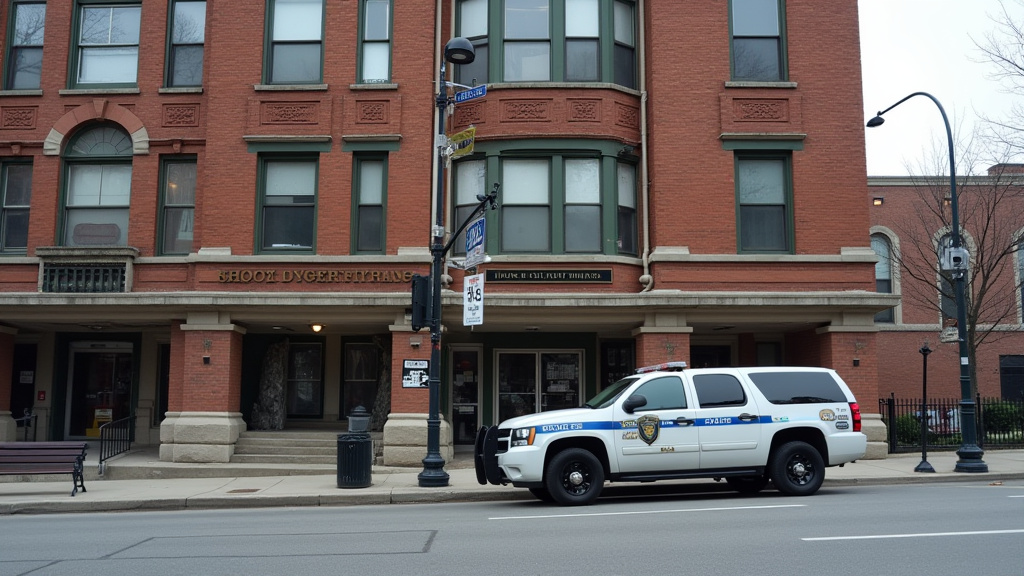
A 19-year-old man remains in custody following the successful intervention by local law enforcement, which thwarted a calculated plan to commit a mass shooting at a Hindu temple in suburban Chicago. The arrest, executed this past Sunday, marks a critical victory for community-based security efforts, as the suspect was apprehended shortly after his vehicle was identified near the site of the intended attack. This incident has sent shockwaves through the region, bringing the issue of targeted violence against religious institutions to the forefront of local and national discourse.
Key Highlights
- A 19-year-old suspect is currently detained after being charged with planning a mass shooting at a suburban Chicago Hindu temple.
- Law enforcement officials confirmed that the suspect’s vehicle was identified at the scene on Sunday, just hours before he was taken into custody.
- The arrest was made possible following a specific tip that triggered an immediate, high-priority police response.
- The investigation continues as authorities analyze digital evidence and potential motives behind the targeted threat.
Anatomy of a Thwarted Tragedy: Investigating the Chicago Plot
The apprehension of the 19-year-old suspect represents a stark example of the critical intersection between community vigilance and rapid law enforcement response. While the specific details of the individual’s motive are still being processed by investigators, the sequence of events underscores the heightened security landscape currently facing religious institutions in suburban enclaves.
The Sequence of Discovery and Intervention
According to official reports, the operation moved rapidly from intelligence gathering to physical apprehension. The chain of events began with an actionable tip, which provided law enforcement with sufficient cause to escalate their monitoring of the subject. By Sunday, suburban police agencies were on high alert. The identification of the suspect’s vehicle at the site of the Hindu temple served as the catalyst for the final police action. The suspect was apprehended shortly thereafter, preventing what could have been a devastating act of violence. The swift containment of the situation is being credited with averting a mass casualty event, highlighting the efficacy of existing communication channels between public reporting systems and police tactical units.
The Evolving Security Landscape for Suburban Institutions




This incident is not an isolated event in the broader context of domestic security, yet it carries specific implications for Hindu-American communities in the Midwest. Historically, suburban religious sites have often enjoyed a level of perceived isolation that frequently correlated with lower-intensity security measures. However, as localized threats and acts of domestic extremism evolve, these institutions are increasingly forced to adopt rigorous security protocols traditionally reserved for high-traffic metropolitan venues. The suspect’s alleged attempt to strike a suburban target rather than a downtown landmark suggests a strategic shift in the methodology of attackers, necessitating a broader distribution of law enforcement resources.
Psychological and Sociological Dimensions of the Suspect
The profile of a 19-year-old suspect engaging in such behavior often prompts a deep dive into the factors that lead young adults toward extremist ideologies or violent outbursts. Experts in domestic security and behavioral psychology are increasingly examining the role of digital radicalization and social alienation. In this specific case, the investigation is expected to delve into the suspect’s digital footprint, communications, and any potential affiliations with ideological groups. Understanding the trajectory from radicalization to active planning is essential for preventing future occurrences. This involves not only criminal prosecution but also the development of early intervention programs that can identify individuals at risk before they transition from rhetoric to action.
Legal Implications and Prosecution
The suspect faces severe charges related to the planning and intent to commit a mass shooting. Legal experts note that the prosecution will likely focus on proving the premeditation and the existence of a concrete plan, rather than mere intent. By securing evidence such as the vehicle placement and other corroborating details found during the arrest, the state is building a case that seeks to emphasize the imminent nature of the threat. The legal battle ahead will likely set a precedent for how suburban courts handle cases of domestic terrorism and hate-motivated crimes, particularly when the potential for a high-casualty event is clearly documented by the prosecution.
FAQ: People Also Ask
How were authorities alerted to the suspect’s presence?
Authorities acted on a specific, credible tip that led them to surveil the suspect. Once the suspect’s vehicle was visually confirmed at the Hindu temple, police were able to initiate an immediate response to apprehend him before any violent acts could be carried out.
What are the charges against the 19-year-old?
While specific legal filings are ongoing, the suspect is facing serious charges related to the planning of a mass shooting. This includes allegations of domestic terrorism and preparatory acts of violence, with authorities ensuring the suspect remains in custody to protect public safety.
What does this mean for temple security in Chicago?
This event has prompted a re-evaluation of security protocols for religious institutions throughout the Chicago suburbs. Many centers are now coordinating more closely with local law enforcement, increasing surveillance, and reviewing emergency response plans to ensure the safety of their congregants.
Is this considered a hate crime?
While the investigation is active, the targeted nature of the threat against a specific religious institution is a focal point of the inquiry. Authorities are examining all available evidence to determine if the motivation was driven by religious bias, which would be a primary factor in determining additional hate crime enhancements to the charges.