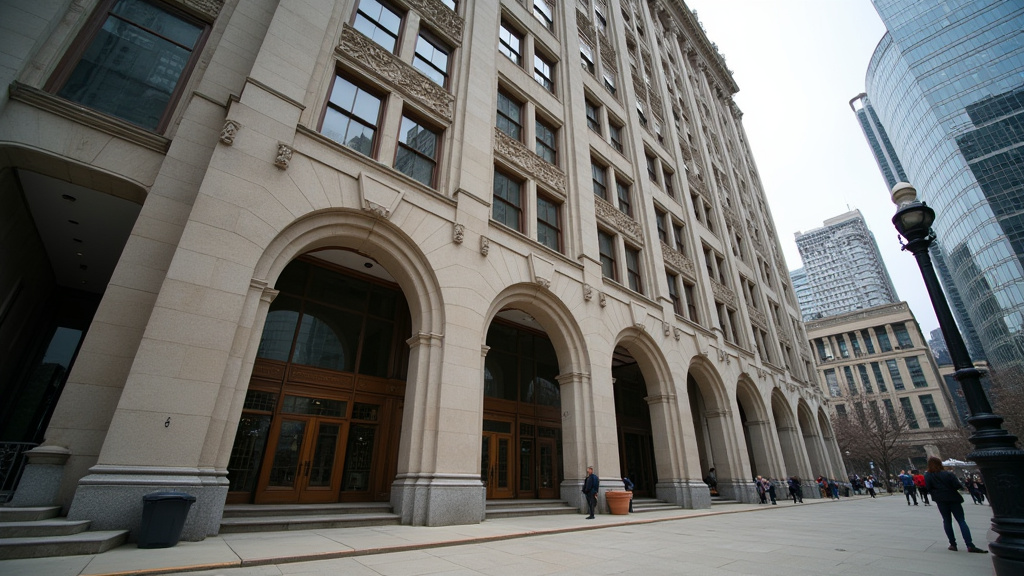
In a chilling development for religious communities in the Chicago suburbs, 19-year-old Palatine resident Alexandros Paporakis has been taken into custody following a thwarted plot to execute a mass shooting at a Hindu temple in Aurora, Illinois. The arrest, which resulted from a targeted intelligence operation, has averted a potentially catastrophic act of violence. Authorities confirmed that upon executing a search warrant, they recovered a rifle, significant quantities of ammunition, tactical gear, and extremist manifestos that detailed the suspect’s intent to target the site. The intervention highlights the effectiveness of modern threat assessment protocols and the growing scrutiny surrounding domestic violent extremism.
Key Highlights:
- Arrest of Alexandros Paporakis: The 19-year-old suspect is currently in custody facing serious felony charges related to the planning of the attack.
- Weapons and Evidence: Law enforcement recovered a rifle, tactical equipment, and manifestos, all indicating advanced preparation for a violent event.
- Targeted Location: The plot specifically identified a Hindu temple in the suburban Aurora area, raising concerns about the safety of religious institutions.
- Interdiction Success: The arrest was made possible by a tip that allowed police to intervene before the suspect could act on his stated intent.
- Ongoing Investigation: Federal and local agencies, including the FBI and local Aurora law enforcement, are collaborating to determine if the suspect acted alone or was influenced by broader online extremist networks.
The Anatomy of an Intervened Threat: Investigating the Paporakis Case
The arrest of Alexandros Paporakis represents a critical success for local and federal law enforcement agencies operating in the Chicago metropolitan area. In an era where domestic terrorism often manifests through “lone wolf” actors radicalized via digital platforms, the ability to act on actionable intelligence is paramount. The investigation, which centered on the suburban Aurora area, underscore the fragility of safety for religious institutions that have increasingly become the target of hate-motivated violence.
Intelligence-Led Policing and the Power of Tips


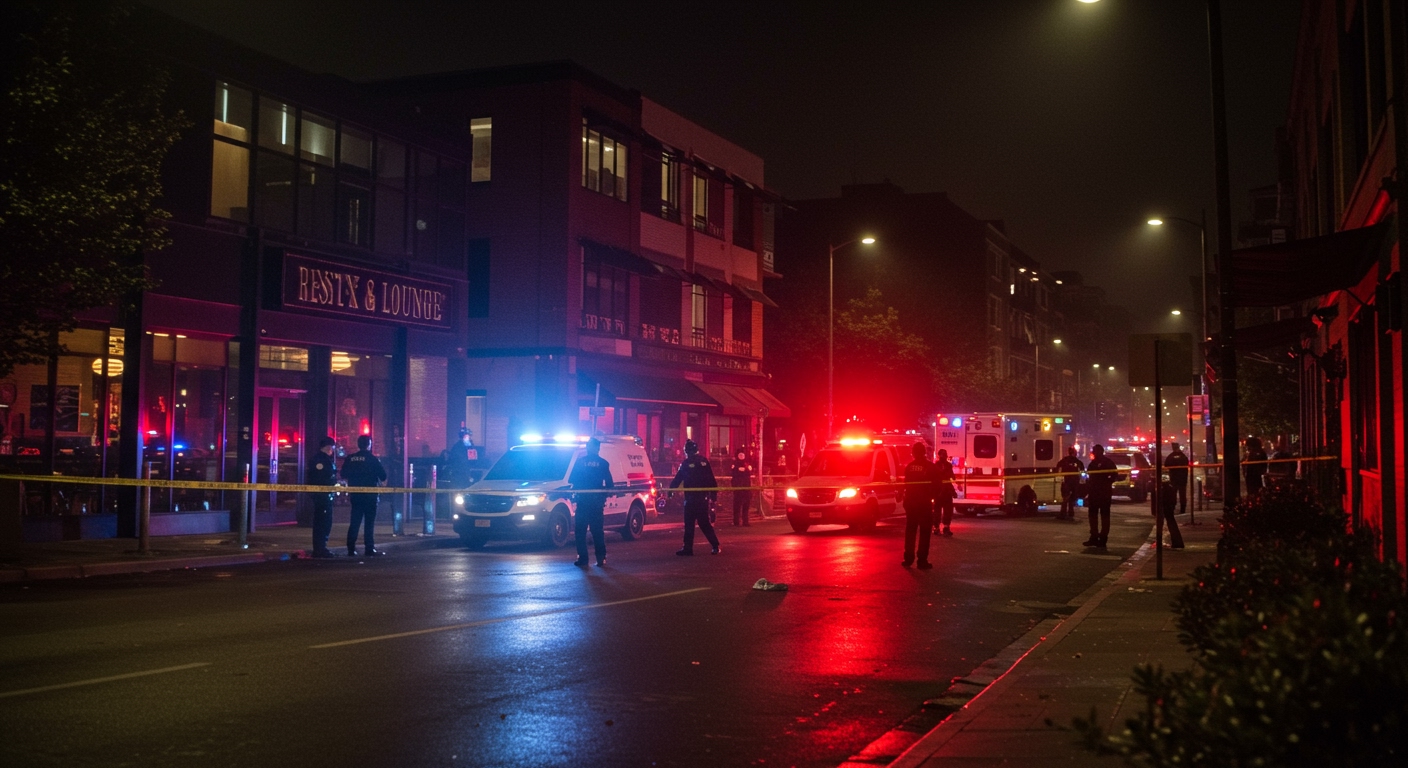

The pivotal element in this case was the initial tip received by authorities. While the specific nature of the tip—whether digital surveillance or an anonymous report—remains under seal for the duration of the legal proceedings, its impact is undeniable. Law enforcement officials have long emphasized that the “see something, say something” mandate is not merely a slogan but a functioning component of modern counter-terrorism. By isolating Paporakis before he could reach the targeted facility, agencies prevented an event that could have left dozens of families mourning. This case serves as a template for why proactive intelligence is the most effective weapon against domestic extremism, moving away from reactive policing to preemptive disruption.
The Rise of Digital Manifestos and Online Radicalization
A particularly disturbing feature of the Paporakis case is the reported recovery of “extremist manifestos.” In recent years, researchers tracking domestic violent extremism have noted a shift in how attackers prepare for violence. Perpetrators now frequently author manifestos, often disseminated or stored online, which serve a dual purpose: they act as a personal manifesto of ideological commitment and as a strategic roadmap for the violence to follow. These documents provide investigators with crucial insights into the motivation of the attacker. For behavioral analysts, the existence of such writings is a major red flag that indicates the transition from radicalized thought to violent mobilization. The content of these manifestos will likely form the cornerstone of the prosecution’s case, establishing the intent and premeditation required for hate crime enhancements.
The Fragility of Religious Freedom and Security
The targeting of a Hindu temple in Aurora has sent shockwaves through the local community. Religious institutions, by their nature, are designed to be open and welcoming, a fundamental ethos that inherently complicates their physical security. Unlike corporate facilities or government buildings, houses of worship often lack the budget or the inclination to implement heavy-duty security measures like metal detectors, armed guards, or hardened perimeter fencing. The Paporakis case forces a difficult conversation: how to protect these spaces without compromising the sense of community and openness that makes them essential? Local faith leaders and security experts are already engaging in discussions regarding the hardening of targets—implementing volunteer safety committees and liaising more closely with local law enforcement to ensure a rapid response in the event of an emergency.
Legal Implications and the Classification of Hate Crimes
As the case moves through the Cook County and federal court systems, the classification of the charges will be a primary focus. Given the targeting of a specific religious institution, prosecutors are expected to explore hate crime enhancements under both Illinois state law and potential federal civil rights statutes. A hate crime classification significantly increases the sentencing parameters and establishes a clear legal link between the perpetrator’s ideology and the proposed act of violence. The defense, conversely, will likely focus on the suspect’s age and potential mental health considerations, a standard path in cases involving young adults accused of extremist activities. The outcome of this trial will be closely watched, as it could set a precedent for how the state handles domestic terror plots involving ideological extremism in young adults.
Future-Proofing: A Shift in Societal Awareness
This incident is not an isolated event but rather a symptom of a broader societal trend. The normalization of aggressive political and religious rhetoric has created an environment where vulnerable individuals can easily fall into extremist echo chambers. To mitigate the risk of future plots, it is not enough for law enforcement to simply react. There is a pressing need for early intervention programs that identify signs of radicalization in young people—such as increased isolation, extremist rhetoric, and the sudden acquisition of tactical gear—before they evolve into a credible threat. Community groups, educational institutions, and families are the frontline defense in detecting these changes in behavior. The Aurora plot serves as a grim reminder that eternal vigilance is the price of public safety, and that the protection of religious freedom requires a collective, societal effort to monitor and counter the spread of hate.
FAQ: People Also Ask
Q: What charges is Alexandros Paporakis currently facing?
A: Paporakis is facing felony charges, including those related to the planning of an act of violence. While specific docket details are subject to ongoing court proceedings, the charges stem from the weapons and manifesto evidence recovered during his arrest.
Q: Why was a Hindu temple targeted in this plot?
A: While investigators are continuing to analyze the recovered manifestos to determine the specific ideological motivations of the suspect, the targeting suggests a bias-motivated intent, which is a core focus of the ongoing criminal investigation.
Q: How does this case impact the security of other religious institutions in Illinois?
A: This case has prompted a heightened state of alert across local religious institutions. Authorities are encouraging houses of worship to review their security protocols, communicate with local police liaisons, and ensure that safety committees are trained and ready to respond to suspicious activities.