Evanston’s 7th Ward residents are expressing significant frustration regarding persistent noise disturbances emanating from the ongoing construction at Ryan Field, prompting a rigorous push for accountability and tangible solutions from both the city and Northwestern University. As the $800 million stadium rebuild project progresses, the intersection of community quality of life and major institutional expansion has reached a critical boiling point, with neighborhood leaders demanding a reevaluation of current mitigation efforts.
Key Highlights
- Construction Disruption: Residents report consistent noise levels that exceed acceptable thresholds, affecting sleep, work-from-home environments, and local tranquility.
- Calls for Accountability: 7th Ward representatives are petitioning the City of Evanston to enforce stricter noise ordinance compliance for Northwestern’s contractors.
- Mitigation Proposals: Potential solutions under discussion include sound-dampening technology, mandatory work-hour restrictions, and improved community communication channels.
- Project Scope: The noise stems from the massive, multi-year Northwestern University Ryan Field rebuild, a cornerstone project that has fundamentally altered the neighborhood landscape.
The Anatomy of the Conflict: Stadium Expansion vs. Neighborhood Stability
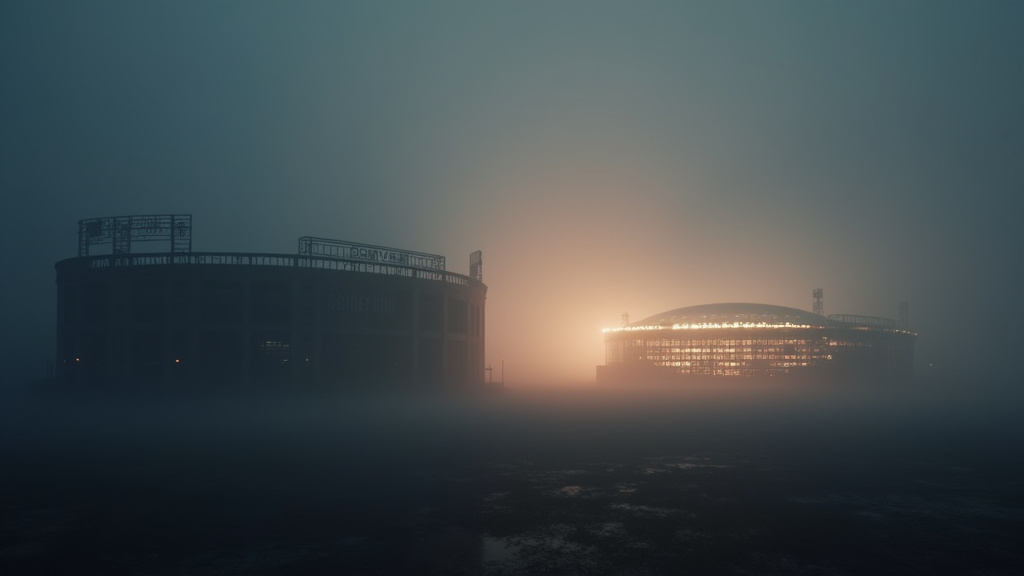
The tension in Evanston’s 7th Ward is not merely about construction noise; it represents a fundamental friction between a prestigious institution and the community that hosts it. Northwestern University’s project to replace the aging Ryan Field is an ambitious architectural endeavor, but for the neighbors whose homes border the construction site, the reality is one of daily, relentless disturbance. The noise, often described as a combination of heavy machinery, percussive pounding, and metal-on-metal clanging, has become the defining feature of life in this ward.
The Historical Context: A Long-Standing Relationship



Historically, the relationship between Northwestern University and the City of Evanston has been one of codependence, yet it is punctuated by moments of intense municipal friction. For decades, the presence of the university has provided an economic backbone to the region, creating jobs, cultural events, and significant tax revenue. However, large-scale projects like the stadium rebuild test the boundaries of this ‘town and gown’ relationship. When the noise reaches decibel levels that disrupt residential life, the historical goodwill built through decades of collaboration is strained. The current outcry in the 7th Ward mirrors past concerns about university expansion, suggesting that residents are becoming increasingly protective of their neighborhood’s character.
Economic Impact and Local Quality of Life
While the project promises to revitalize the stadium and potentially bring more revenue through larger events, the immediate economic and social costs for the 7th Ward are becoming impossible to ignore. Property values are a primary concern; homeowners worry that prolonged, chaotic, and loud construction could negatively impact the desirability of the neighborhood. Furthermore, the psychological strain on residents—many of whom work remotely—is a secondary economic cost that is rarely quantified. The demand from the 7th Ward is clear: the university and the city must acknowledge these impacts not just as temporary inconveniences, but as structural disruptions that require compensation or mitigation.
Future Predictions: Towards a Sustainable Compromise
As we look ahead, the trajectory of this conflict likely hinges on the adoption of more aggressive noise-mitigation strategies. It is predicted that the City Council will be forced to intervene more directly, potentially imposing fines for noise ordinance violations that occur outside of approved construction windows. We may see the implementation of ‘acoustic curtains’ or barriers specifically designed to deflect sound away from residential zones, as well as an independent monitoring system to provide real-time noise data to the public. The university’s willingness to pivot its construction schedule—specifically by limiting the most disruptive work to mid-day hours—will be the litmus test for whether they value neighborhood relations as much as their expansion timeline. Without a sincere, documented effort to curb the noise, the political pressure on city officials to restrict the project’s permits will only increase.
FAQ: People Also Ask
Q: What specific noise complaints are residents reporting?
A: Residents have primarily cited the use of heavy pile-driving equipment, early morning deliveries, and evening work that violates standard noise ordinances as the primary sources of frustration.
Q: Is the City of Evanston currently involved in mediation?
A: Yes, the 7th Ward Alderman and city officials are actively facilitating dialogues between resident groups and Northwestern University’s project management team to address grievances.
Q: How long is the Ryan Field construction project expected to last?
A: The project is a multi-year effort. While specific completion dates are subject to change, the construction intensity is expected to remain high through the next several construction cycles, making noise mitigation a long-term issue.
Q: Are there existing ordinances for noise control in Evanston?
A: Yes, Evanston has specific noise ordinances that define acceptable decibel levels and operational hours. The current conflict is centered on the alleged failure to adhere to these limits during various stages of the stadium demolition and construction.