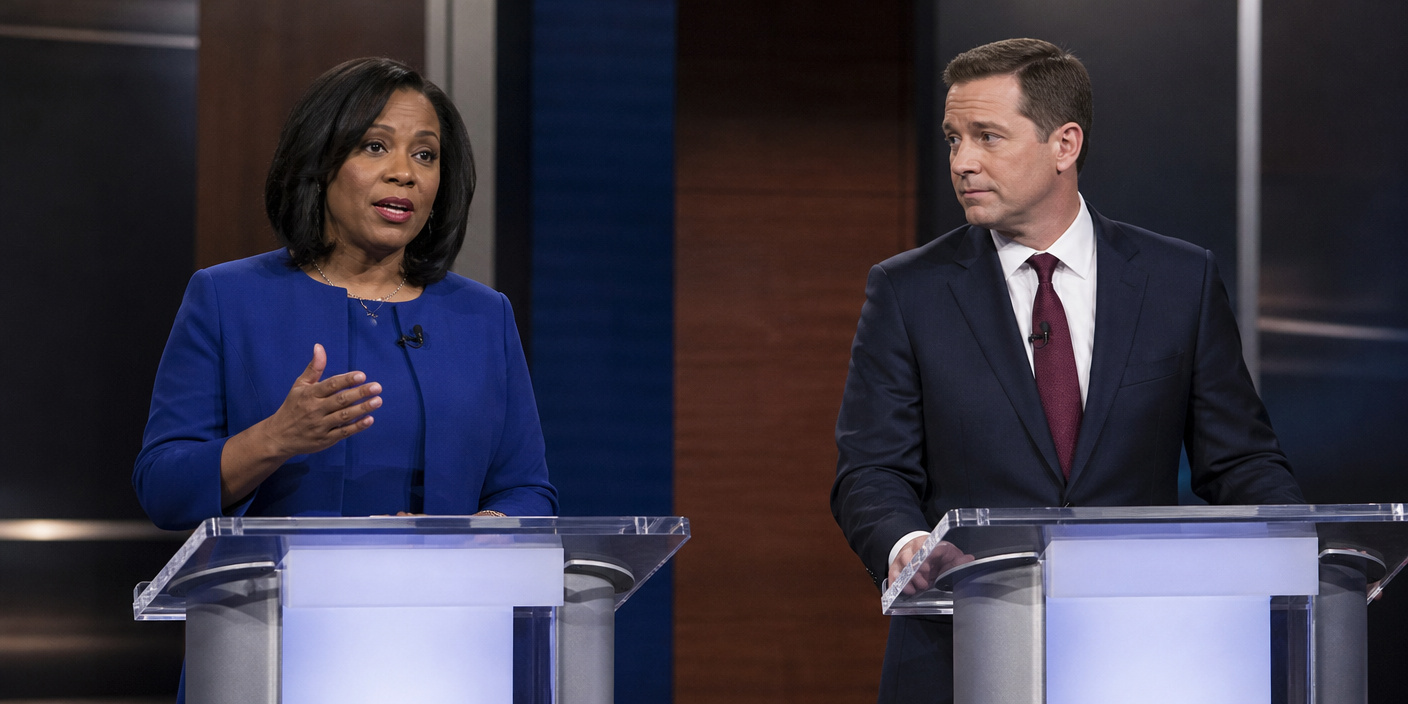
The University of Illinois System has launched a vigorous campaign against pending legislation in the Illinois General Assembly that proposes a drastic restructuring of public university funding. University leadership warns that the bill, which seeks to prioritize institutions based on an adequacy-focused formula, could inadvertently undermine the state’s flagship system—a cornerstone of Illinois’ higher education and research infrastructure. As the legislative session enters its final stretch, the debate has intensified, pitting the desire for equitable distribution among smaller institutions against the financial security of the state’s largest public university network.
Key Highlights
- Legislative Threat: House Bill 1581 and Senate Bill 41 propose a new “Evidence-Based” funding model that would shift resources toward underfunded public universities.
- Systemic Opposition: The U of I System argues the formula is flawed and would negatively impact its ability to maintain current academic standards, tuition stability, and research output.
- Potential Consequences: Leadership warns of possible tuition hikes, reduced course offerings, and a diminished pipeline of essential healthcare workers, engineers, and teachers.
- The Stakeholder Divide: While proponents of the bill argue it fosters fairness, the U of I System asserts that the methodology penalizes its high enrollment and research success, threatening to slow statewide economic growth.
Navigating the Funding Formula Crisis
The current legislative standoff represents a critical juncture for higher education in Illinois. At the heart of the conflict is the proposed “Adequate and Equitable Public University Funding Act,” a legislative initiative aiming to emulate the state’s K-12 evidence-based funding model. The goal is ostensibly noble: to direct state financial support toward public universities that are furthest from their adequacy targets. However, the application of this logic to higher education has ignited a firestorm of controversy, primarily because the University of Illinois System—which educates more than half of all public university students in the state—would see a significant portion of its projected funding redirected under this new, rigid mechanism.
The Mechanics of the Dispute
The bill, championed by Representative Carol Ammons and other proponents of structural reform, seeks to create a predictable, formulaic approach to state appropriations. By prioritizing institutions that have historically operated with lower budgets, the bill intends to bridge the resource gap across the Illinois public university landscape. From the perspective of the sponsors, this is a necessary correction to years of stagnant or inequitable funding cycles. They argue that the current system is arbitrary and that a mathematical formula provides the transparency required to build a more robust, state-wide higher education ecosystem.
However, the U of I System has countered these claims with detailed financial projections. Their leadership, including key administrative figures, has testified that the methodology fails to account for the unique scale and mission of the flagship system. They argue that the model is “off-track,” creating artificial barriers that ignore the reality of operating large-scale, high-impact research universities. The core contention is that the formula creates a “zero-sum” environment where funding for necessary institutional growth at the flagship level is siphoned off to stabilize smaller schools, ultimately compromising the quality of education for the majority of the state’s undergraduates.
Economic and Workforce Implications
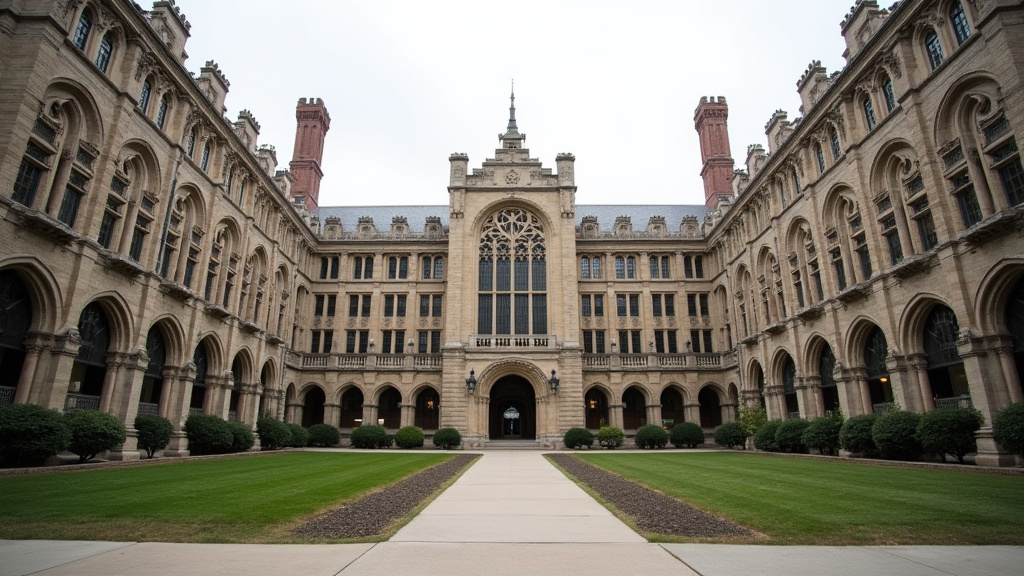



Beyond the academic arguments, the economic stakes are substantial. The U of I System serves as a vital engine for the Illinois economy, producing a high volume of graduates in critical fields such as nursing, pharmacy, dentistry, and engineering. By restricting the system’s financial flexibility, officials argue the state risks creating a bottleneck in these vital labor pipelines.
If the legislation passes in its current form, the immediate concern is not just a reduction in state support, but the knock-on effects this will have on tuition policy. For years, the University of Illinois System has prioritized tuition stability, attempting to keep costs predictable for Illinois families. A sharp reduction in state-appropriated funds would likely force the Board of Trustees to reconsider these freezes. Increased financial pressure could lead to higher tuition costs, potentially pricing out the very students the legislation aims to support. Furthermore, the potential for reduced academic offerings could diminish the institution’s ability to remain competitive in national rankings and research grant acquisition, creating a long-term erosion of the state’s competitive advantage.
Secondary Angles: The Future of Public Higher Ed
Looking beyond the immediate legislative battle, this conflict highlights three broader trends in public education:
1. The Shift Toward Centralized Control: We are witnessing a transition from historical, often negotiated, funding models toward data-driven, centralized formulas. While this improves transparency, it often sacrifices the flexibility needed to support massive, complex institutions that require different resource allocation than smaller, specialized colleges.
2. The Politicization of Academic Funding: The fact that such a funding overhaul is being pushed via legislative mandate rather than through collaborative consensus between the university boards and the legislature suggests a growing divide between academic leadership and elected officials. This relationship strain is a harbinger of potential future legislative interference in university operations.
3. The Resilience of Flagship Identity: This situation forces a re-evaluation of what a “flagship” university owes to its state system. The U of I is being asked to balance its role as a premier national institution with its duty as a state-funded public servant, a tension that will likely define the next decade of public university administration.
FAQ: People Also Ask
Q: Why does the U of I System oppose the proposed funding formula?
A: The system argues the formula is flawed and would disproportionately siphon resources away from the state’s largest institutions, which educate over 50% of the state’s public university students, leading to potential tuition hikes and reduced academic capacity.
Q: What is the primary goal of the “Adequate and Equitable Public University Funding Act”?
A: The bill aims to create a needs-based funding formula similar to Illinois’ K-12 evidence-based model, prioritizing state financial support for universities that are currently the most underfunded to achieve a more equitable system-wide standard.
Q: How would this legislation affect Illinois students?
A: University officials warn that it could lead to higher tuition, fewer course options, and a reduced pipeline of graduates in critical workforce areas like healthcare and engineering, negatively impacting both students and the broader state economy.
Q: What is the current status of the bill?
A: The legislation (House Bill 1581 / Senate Bill 41) is currently before the Illinois General Assembly, having advanced through committee stages despite ongoing opposition from the University of Illinois System leadership.