Chicago is navigating one of its most complex logistical weekends in recent memory. A perfect storm of major cultural and sporting events has converged upon the city, placing an immense strain on municipal infrastructure, public transit, and emergency response teams. The intersection of the Chicago Bears home opener at Soldier Field, the high-energy production of Riot Fest, and the massive crowds attending the Chicago Jazz Festival in Millennium Park has forced the Office of Emergency Management and Communications (OEMC) into a state of high-alert coordination. For residents and visitors alike, this weekend represents a test of the city’s ability to absorb tens of thousands of additional people into an already dense urban core.
The Soldier Field Factor: Bears vs. Titans
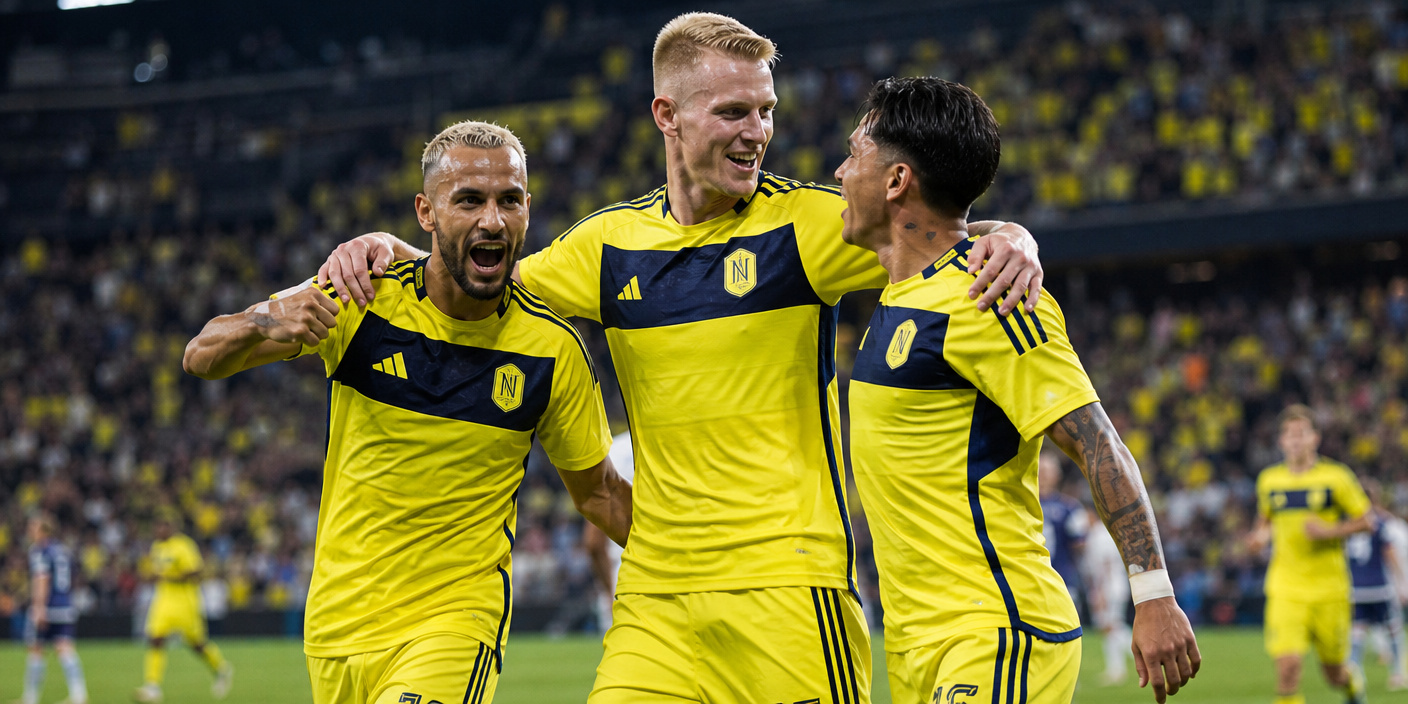
The centerpiece of this weekend’s congestion is the Chicago Bears home opener against the Tennessee Titans. Soldier Field, a venue designed for 60,000-plus capacity, creates a concentrated spike in foot traffic and vehicular volume. Unlike other events that may bleed across the city, the football game acts as a singular, intense pressure point near the Museum Campus. Traffic management strategies implemented by the Chicago Department of Transportation (CDOT) are prioritizing the flow of inbound traffic from the suburbs while managing the heavy pedestrian volume exiting the stadium. The synchronization of game-day transit shuttles with standard CTA routes is the primary mechanism preventing gridlock, yet officials warn that the concentration of game-day traffic remains the highest variable of risk for citywide surface congestion.
Musical Migrations: Riot Fest and Jazz Fest
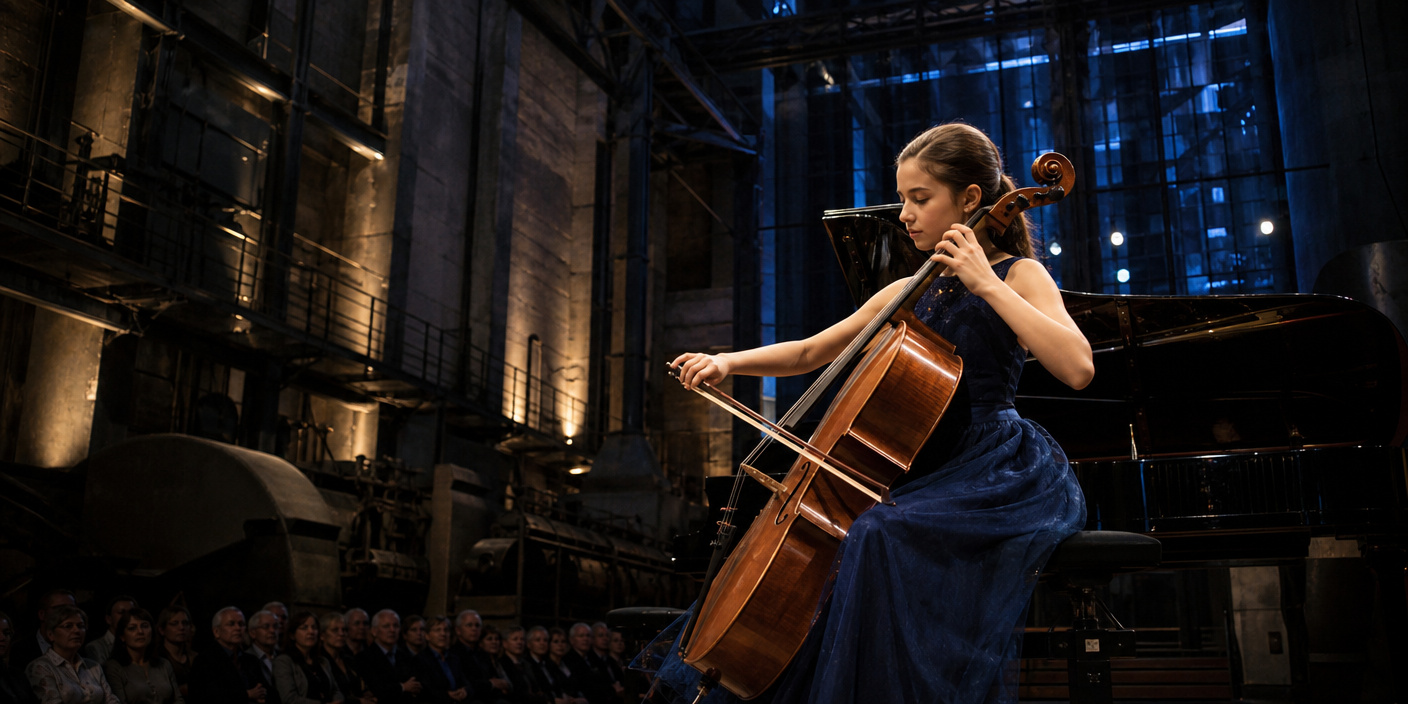
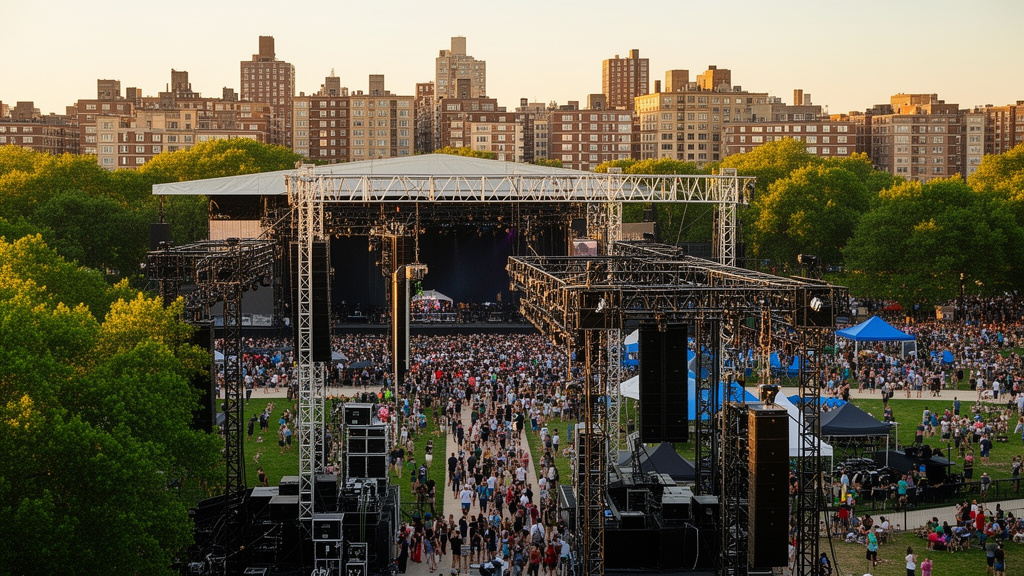
While the Bears capture the sports audience, the city is simultaneously grappling with two distinct musical demographics. Riot Fest, known for its high-energy alternative rock following, draws a younger, mobile crowd that tends to rely heavily on rideshare and public transit corridors. Conversely, the Chicago Jazz Festival at Millennium Park attracts a wider, multi-generational demographic that creates static congestion in the Loop. The logistical challenge here is the dispersal of these crowds. While the Jazz Festival occupies the central business district, Riot Fest’s specific location forces transit networks to maintain high-capacity service on lines radiating outward from the city center. This dual-demand requires the Chicago Transit Authority (CTA) to run near-peak capacity service levels throughout the entire weekend, rather than just during traditional rush hours.
The OEMC Protocol: Unseen Coordination


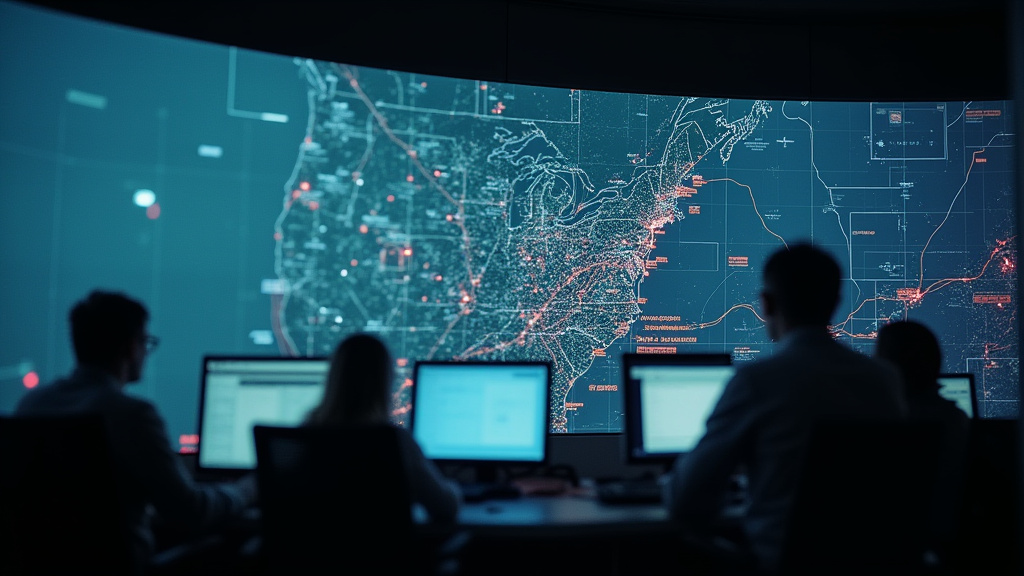
The unsung hero of this weekend is the OEMC. Their command center is currently managing a unified communication loop between the Chicago Police Department (CPD), CTA operations, and private event security teams. The strategy revolves around ‘Dynamic Traffic Management’—a system where signal timing on major arterial roads is adjusted in real-time based on live surveillance feeds. This protocol is essential for preventing the ‘bottleneck effect,’ where the intersection of commuters, festival-goers, and football fans creates a feedback loop of delay. OEMC officials have stressed the importance of utilizing the CTA rail system, as surface streets are expected to operate at sub-optimal speeds for the duration of the weekend.
Secondary Angles: Beyond the Immediate Congestion
The Economic Impact: Revenue vs. Operational Cost
While the immediate narrative focuses on traffic and stress, the economic reality is overwhelmingly positive. Local businesses, particularly in the South Loop and Near North Side, are reporting historic reservation and booking numbers. Hotels are reaching near 90% occupancy, and restaurants are expanding staffing levels to meet the surge. However, analysts are beginning to study the ‘operational overhead’ of such a dense event calendar. Does the cost of increased policing, sanitation services, and infrastructure strain eventually diminish the net profit margin for the city? This weekend provides a valuable data set for economists measuring the tipping point where city service costs begin to outpace the generated tax revenue of these mega-events.
The Public Transit Breaking Point
The CTA is currently under the microscope. This weekend serves as a stress test for the efficacy of the post-pandemic transit system. As the city attempts to nudge residents toward public transit over personal vehicles, the reliability and cleanliness of the system during high-volume events like this are critical. If the CTA performs well, it reinforces the narrative that Chicago can sustain car-free major events. If failures occur—such as significant delays, overcrowding, or equipment malfunctions—it could set back the public’s confidence in the transit system for months. Stakeholders are watching closely to see if the investment in rail modernization holds up under the weight of this convergence.
Future Urban Planning: Lessons from the Convergence
Looking ahead, city planners are using this weekend as a case study for future event management. The convergence of three major events of this magnitude suggests that Chicago is increasingly becoming an ‘event hub.’ The question of whether the city has the physical capacity to host such events concurrently without compromising daily quality of life is at the forefront of urban development discussions. This weekend will likely influence future permitting processes, ensuring that major events are spaced out or managed with more stringent logistical requirements to prevent the ‘Triple Threat’ scenario from becoming the new norm.
FAQ: People Also Ask
1. Which areas of Chicago will experience the most traffic this weekend?
Significant delays are expected near the Museum Campus (Soldier Field area), the Loop (Millennium Park vicinity), and major thoroughfares leading to the suburbs. The I-55 and Lake Shore Drive corridors are particularly high-risk zones for congestion.
2. Is public transit recommended over driving?
Yes. The OEMC and local transit authorities strongly advise utilizing the CTA rail lines (Red, Green, and Orange lines) to bypass surface street traffic, which is expected to be severely impacted throughout the event windows.
3. How can I stay updated on real-time traffic and event changes?
Follow the official OEMC Twitter/X account, check the CTA website for service alerts, and monitor local news outlets for live updates on street closures. Using real-time navigation apps like Waze or Google Maps is also recommended for up-to-the-minute adjustments.