In a major legislative move today, the European Parliament formally approved the final set of detailed implementing regulations for the European Union’s landmark Artificial Intelligence Act. This critical step marks the completion of the legislative framework for AI governance within the 27-nation bloc. The implementing regulations provide the essential technical details and procedural clarity necessary for the effective enforcement of the AI Act, particularly concerning systems deemed \”high-risk\”. This approval ensures that the theoretical requirements of the Act can now be translated into concrete, actionable obligations for developers and deployers of AI technology across the EU.
Detailing High-Risk Systems and Compliance

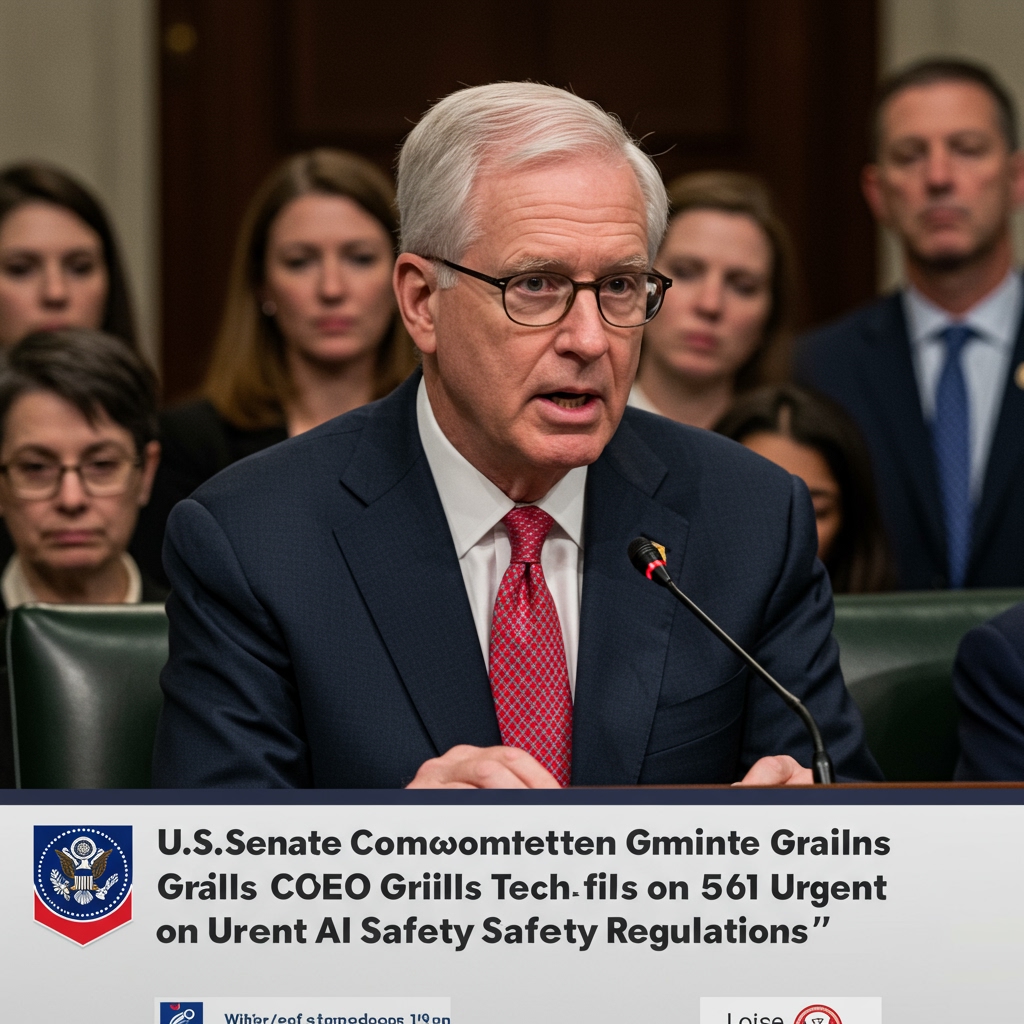


The implementing regulations specifically target systems classified as \”high-risk\” under the AI Act. These are AI applications with the potential to cause significant harm to people’s health, safety, or fundamental rights. The regulations outline the specific technical standards and strict compliance timelines that developers and deployers of these \”high-risk systems\” must adhere to. Examples of areas where \”high-risk\” AI systems are commonly deployed include employment, critical infrastructure management, and law enforcement, as highlighted by the summary. Other areas deemed \”high-risk\” under the Act can include credit scoring, migration controls, and administration of justice. Given the potential impact of these systems, the implementing regulations establish a rigorous compliance framework designed to mitigate risks effectively and ensure public trust in AI deployment.
Key Requirements Outlined
The newly approved regulations mandate stringent requirements across several crucial domains for \”high-risk\” AI systems. Data quality is a paramount concern, with detailed rules on the need for training, validation, and testing datasets to be relevant, representative, sufficiently large, and free from errors or biases that could perpetuate discrimination or inaccuracies. Transparency requirements are significantly detailed, mandating comprehensive documentation, logging capabilities, and clear information provision to users and affected individuals about the system’s capabilities, limitations, and intended purpose. Furthermore, the regulations reinforce the necessity of human oversight, ensuring that automated decisions are not absolute and that there are meaningful mechanisms for human review, intervention, and override to prevent or correct erroneous or harmful outcomes. Beyond these, the implementing acts also detail procedures for conformity assessment, quality management systems, cybersecurity resilience, and risk management frameworks, providing a comprehensive rulebook for ensuring the trustworthiness and safety of \”high-risk\” AI systems placed on the EU market or otherwise impacting individuals within the Union.
The Compliance Timeline
A critical element formalized by these implementing regulations is the timeline for compliance. Companies operating within the 27-nation bloc, whether they are developers or deployers of \”high-risk\” AI systems, are now expected to achieve full compliance with these stringent requirements by December 2026. This deadline provides a specific, albeit challenging, timeframe for businesses to adapt their AI development practices, revise their technical documentation, implement necessary quality and risk management processes, and ensure their systems meet the detailed standards set out in the regulations. The clarity provided by this timeline is crucial for industry planning and investment in AI safety and compliance measures.
Implications for Industry and Governance
The formal approval of these implementing regulations marks a pivotal moment for global tech governance. The EU’s AI Act is the first comprehensive legal framework of its kind worldwide, and the finalization of its implementing rules solidifies the bloc’s position as a frontrunner in regulating artificial intelligence. For the AI industry, particularly those developing or deploying \”high-risk\” applications, this means navigating a complex but clear regulatory landscape. While achieving compliance by December 2026 will require significant effort and investment, it also offers the potential benefit of building consumer and public trust in AI, which could ultimately foster wider adoption and innovation in a responsible manner. This move by the European Parliament sets a high bar for AI regulation globally, likely influencing regulatory approaches in other jurisdictions and encouraging a global focus on safe, ethical, and human-centric AI development. The regulations underscore the EU’s commitment to harnessing the potential of AI while rigorously safeguarding fundamental rights and ensuring technological safety.
Looking Ahead
With the implementing regulations now in place, the focus shifts towards practical implementation and enforcement. Businesses are urged to begin their compliance efforts immediately, given the complexity of the requirements and the Dec 2026 deadline for \”high-risk\” systems. National supervisory authorities within the member states will play a crucial role in overseeing compliance and enforcing the provisions of the AI Act. This legislative milestone not only establishes a comprehensive regulatory framework for AI but also signals the beginning of a new era where technological innovation must go hand-in-hand with robust safeguards and ethical considerations.