Major League Baseball (MLB) has officially shifted the series finale between the Chicago Cubs and the Boston Red Sox from Fenway Park in Boston to Tropicana Field in St. Petersburg, Florida. The decision, announced by league officials, serves as a proactive measure to avoid severe weather conditions forecasted for the Boston metropolitan area over the weekend. By utilizing the climate-controlled environment of Tropicana Field—home of the Tampa Bay Rays—the league aims to preserve the integrity of the regular-season schedule and ensure the game is completed without the risk of rainouts or significant delays.
Key Highlights
- Venue Change: The series finale has been moved from Fenway Park (Boston) to Tropicana Field (St. Petersburg, FL).
- The Catalyst: Proactive measures to avoid an approaching weekend storm system in New England.
- Operational Logic: The decision utilizes a neutral, indoor venue to guarantee game completion and mitigate travel disruptions for both teams.
- Logistical Scope: Thousands of miles of travel and complex equipment movement are being coordinated on a 48-hour timeline.
The Logistical Anatomy of an MLB Relocation
The decision to move a Major League Baseball game on such short notice is a rare, high-stakes operation that involves far more than simply changing a venue name on a ticket. It is a massive, multi-faceted logistical maneuver requiring coordination between MLB operations, the teams’ travel coordinators, broadcast partners, and the venue staff at the new site.
When MLB identifies a weather window that threatens to wash out a game, they immediately evaluate “safe harbor” locations. Tropicana Field, being an indoor dome, offers a distinct advantage: guaranteed gameplay. Unlike open-air stadiums, which are at the mercy of the elements, the St. Petersburg facility provides a consistent, controlled environment that eliminates rain as a variable. However, the move is not without costs. Players must be re-routed, team equipment managers must transport heavy trunks of gear via air freight, and broadcast crews—including cameras, editing suites, and satellite uplinks—must mobilize rapidly to set up in a new location. For the Red Sox, despite moving away from their historic home field, the priority remains maintaining the rhythm of the season, avoiding the dreaded “doubleheader” fatigue that often follows a rainout.
The ‘Dome’ Factor: Changing the Game Dynamics
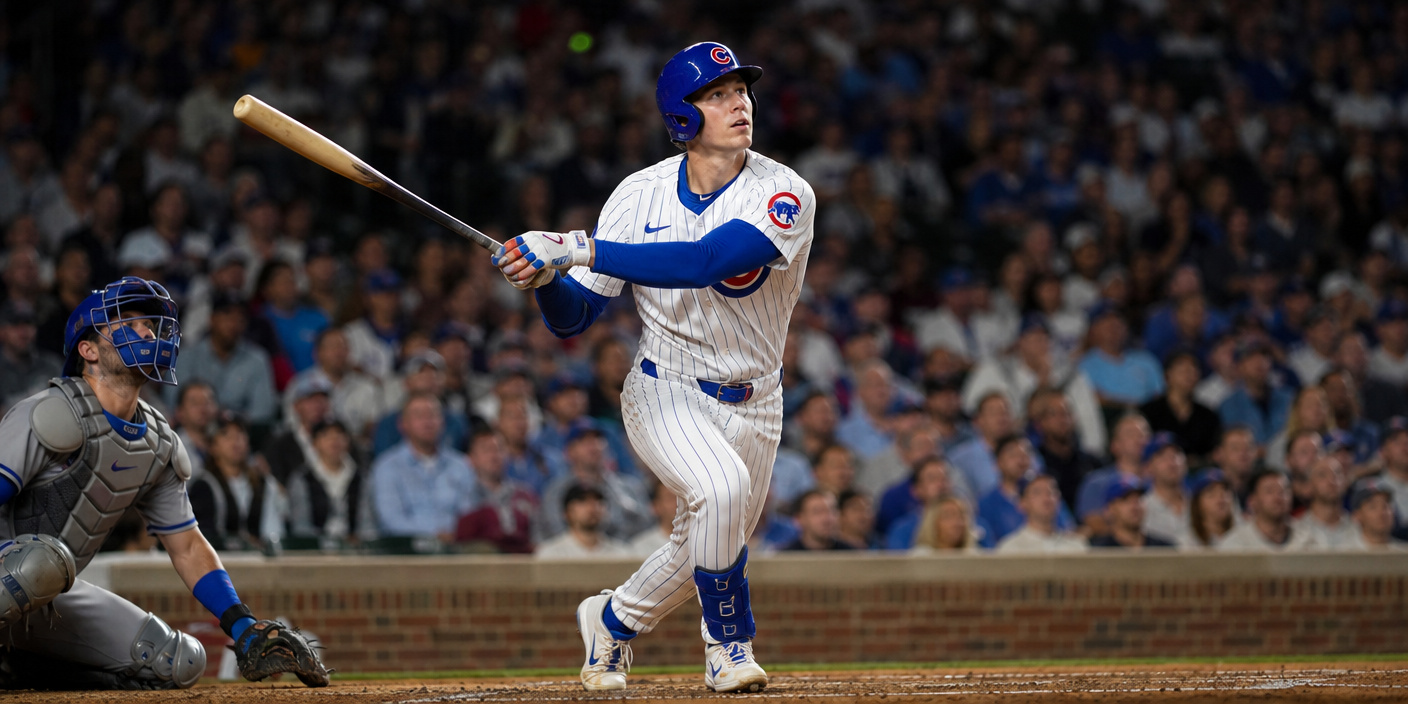


Moving a game from the iconic, asymmetric layout of Fenway Park to the cavernous, turf-covered Tropicana Field fundamentally alters the competitive environment. Fenway Park is defined by its dimensions—the short porch in right field, the towering Green Monster in left—and the wind patterns that blow through the historic ballpark. Tropicana Field, by contrast, is a neutral-site dome with artificial turf that plays faster and creates different ball-bounce trajectories.
Professional athletes are creatures of habit. The change in surface and venue requires immediate adjustments to defensive positioning and pitching strategy. Fly balls that might clear the Green Monster in Boston may die on the warning track at Tropicana Field, and the ball travels differently in the pressurized air of a dome compared to the humid, wind-affected air of Fenway. This sudden transition forces managers to rethink their lineups, often leaning into the “best available” roster rather than one tailored for specific park quirks.
Historical Precedents in Weather-Related Relocations
This event adds to a growing catalog of weather-related relocations in MLB history. The league has previously moved games due to catastrophic events, such as Hurricane Irma in 2017, which forced the Tampa Bay Rays to play games in New York rather than Florida. However, relocating a series finale—typically the final, deciding game of a three-game set—is distinct because it disrupts the series’ momentum. The decision highlights the league’s evolving strategy: prioritize game completion over “home-field advantage.” In the modern era of broadcasting contracts and high-stakes playoff races, every game represents a critical asset. A canceled game that leads to a future doubleheader late in the season can wreak havoc on pitching rotations and player health, making the neutral-site move a logical, if disruptive, economic necessity.
The Impact on the Fanbase and Travel Economics
While the decision to move the game protects the schedule, it places a significant burden on the fans. The “Red Sox Nation” and Cubs supporters who had purchased tickets for the Boston series are now faced with a logistical dilemma. For those who had planned travel to Boston for the weekend, the tickets for the finale are essentially voided or relocated, requiring refunds or exchange protocols. The economic ripple effect is palpable; hotels, restaurants, and surrounding businesses around Fenway Park lose the revenue associated with a Sunday game. Conversely, while St. Petersburg gains a game, the ticket sales process has to be initialized with very little lead time. MLB’s rapid-response ticketing teams are currently managing the transition, ensuring that impacted fans are prioritized for digital access, though the reality of travel makes attending the relocated game in Florida an impossibility for the vast majority of Boston-based fans.
FAQ: People Also Ask
Q: How are fans compensated for the move?
A: MLB and the involved teams have established refund and credit policies for the displaced Boston game. Fans should check their official team ticketing portals for instructions on how to receive refunds or apply credits toward future games.
Q: Why was Tropicana Field chosen specifically?
A: Tropicana Field is a domed stadium in a region not currently impacted by the storm system. It serves as a reliable, weather-proof neutral site that can be prepared for MLB-level play on short notice.
Q: Does the ‘home team’ status change at the new venue?
A: No. Even though the game is being played at a neutral site, the Red Sox remain the designated home team for official record-keeping purposes, meaning they will bat last in the bottom of the ninth inning.
Q: Will this impact the playoff race for the Cubs or Red Sox?
A: Every game is crucial, especially in the final months of the season. A win or loss at a neutral site counts exactly the same in the standings as a win or loss at home. Players must adapt quickly to the new surface to ensure they maintain their standing in the playoff hunt.