The wait is over for fans of the Hawkins universe. Today, Netflix officially debuts Stranger Things: Tales From ’85, an animated spin-off that transports viewers back to the winter of 1985. Serving as a narrative bridge between the catastrophic events of the Season 2 finale and the neon-soaked chaos of Season 3, this ten-episode series aims to recapture the charm of the flagship show while embracing a new, Saturday-morning cartoon aesthetic. While the core cast remains, the shift from live-action to animation marks a bold, experimental pivot for the Duffer Brothers’ expansive franchise, offering a softer, yet still spooky, gateway into the Upside Down.
Key Highlights
- Animated Expansion: Stranger Things: Tales From ’85 is the first animated spin-off in the franchise, developed by showrunner Eric Robles with executive production by the Duffer Brothers.
- Temporal Placement: The series is canon-compliant, set specifically in the winter months between the end of Season 2 and the beginning of Season 3.
- New Perspectives: Features a fresh voice cast and introduces a new character, Nikki Baxter, voiced by Odessa A’zion, who brings a distinct dynamic to the Hawkins party.
- Nostalgic Aesthetic: Designed to mirror the look and feel of 1980s animated television, moving away from the intense R-rated horror of the live-action series toward a more accessible, “Spooky-Saturday” vibe.
Retro-Futurism Meets Hawkins Lore
The decision to pivot to animation for Stranger Things: Tales From ’85 was not merely a creative choice; it was a deliberate structural decision. By placing the narrative in the tight, winter-locked void between the second and third seasons, the showrunners have successfully avoided the pressure of advancing the timeline beyond the known conclusion of the live-action series. This allows for a self-contained narrative that focuses on the “small-town mystery” energy that defined the early days of the show. The visual language of the series, handled by Flying Bark Productions, is a stark departure from the gritty, filmic look of the original. Instead, it leans into vibrant neons, exaggerated character designs, and a style reminiscent of classic 1980s afternoon cartoons—think The Real Ghostbusters mixed with a touch of supernatural peril.
The Creative Philosophy Behind the Animation
Showrunner Eric Robles has spoken extensively about the challenge of balancing the “Hawkins” identity with a new medium. The goal was never to replace the live-action emotional stakes, but rather to complement them with a different tone. Where the original series often veered into cosmic horror and high-stakes drama, Tales From ’85 operates on the scale of a detective story. The animation allows for a freedom of movement and creature design that would be prohibitively expensive or physically impossible in live-action. The Upside Down is rendered here with a more grotesque, comic-book intensity, emphasizing the surreal, eldritch nature of the alternate dimension without the looming threat of mass destruction.
The Arrival of Nikki Baxter


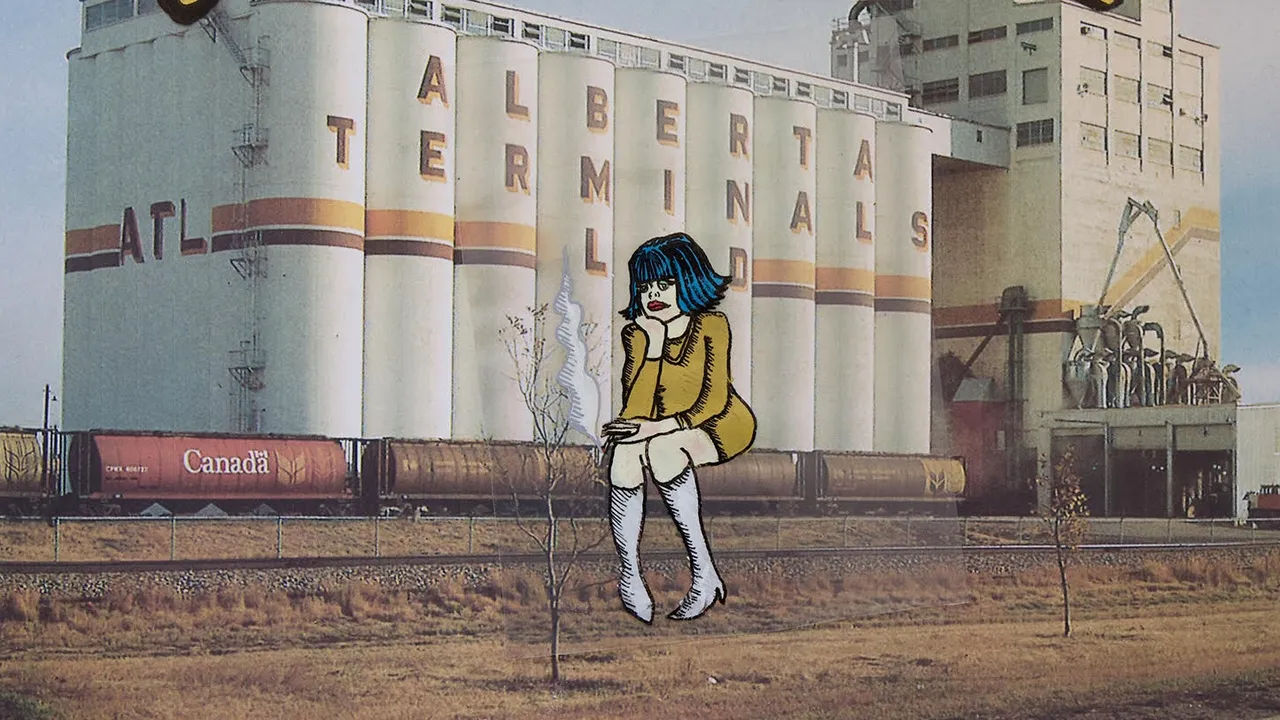
One of the most significant additions to the lore in this series is the character of Nikki Baxter. As a transfer student who integrates into the group, she serves as a surrogate for the audience, providing a fresh perspective on the bizarre occurrences that have become commonplace for Mike, Eleven, and the rest of the gang. Her introduction offers a meta-commentary on the nature of being an outsider in Hawkins—a town that, by 1985, is effectively a magnet for paranormal activity. The dynamic between Nikki and the established group provides the friction necessary to drive the plot, as the original gang is already hardened by their previous experiences, whereas Nikki must grapple with the terrifying reality of the Upside Down for the first time.
The Strategic Shift for the Franchise
From an industry perspective, Tales From ’85 represents a calculated attempt by Netflix to keep the Stranger Things engine running without burning out the central live-action cast. By utilizing voice acting, the studio creates a modular format that can potentially expand into future iterations or sequels without being tethered to the aging of the original teenage actors. It is a classic move in long-running television: the animated spin-off. However, the execution here is aimed at a broader demographic, theoretically capturing both the die-hard fan base who are pining for more content and a younger audience that may find the live-action series too intense.
Examining the “Nostalgia Loop”
Critically, the show faces a unique challenge: it is nostalgia for nostalgia’s sake. Stranger Things was originally a love letter to the ’80s. Tales From ’85 is a love letter to the ’80s cartoons that depicted the ’80s. This “nostalgia squared” effect is either a brilliant masterstroke or a sign of franchise fatigue, depending on which critic you ask. Some view the move as a dilution of the franchise’s darker, more impactful roots. Others argue that it is the perfect way to sustain the brand while allowing the Duffer Brothers and their collaborators to experiment with narrative structures that the live-action format could not support.
Future Implications for the Hawkins Universe
As Netflix continues to monetize its most successful IP, Tales From ’85 serves as a litmus test. If successful, it establishes a pipeline for additional spin-offs that can explore different time periods, different locations within the Stranger Things world, or even different genres (e.g., perhaps a prequel or a mystery-focused anthology). The success of this show will likely dictate whether the Stranger Things brand becomes an evergreen property, similar to Star Wars or the MCU, rather than a finite story with a definitive end date.
FAQ: People Also Ask
Q: Is Stranger Things: Tales From ’85 considered canon in the main series timeline?
A: Yes. The series is officially canon and is set in the chronological gap between Season 2 and Season 3. It explores events that were previously unaddressed in the main live-action narrative.
Q: Are the original actors returning to voice their characters?
A: No, the series features a new voice cast, including Luca Diaz, Brooklyn Davey Norstedt, and others, to portray the iconic characters in this animated format.
Q: Is this show appropriate for younger children who haven’t watched the live-action series?
A: While it is less intense than the live-action Stranger Things, it still contains themes of supernatural horror and suspense. It is generally considered more accessible, but parents are advised to check local age ratings, as it retains the spooky atmosphere of the franchise.
Q: How many episodes are in the first season?
A: The first season consists of 10 episodes, each running approximately 30 minutes, providing a compact, bingeable experience.