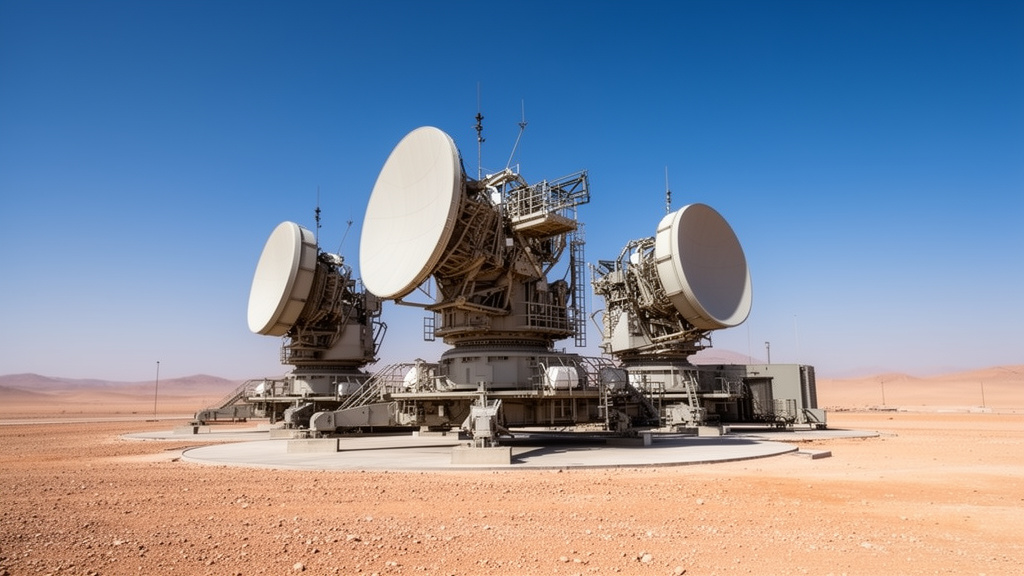
In an unprecedented diplomatic escalation, Taiwan President Lai Ching-te was forced to cancel his planned visit to Eswatini this week after Seychelles, Mauritius, and Madagascar unilaterally revoked overflight permits for his aircraft. The incident, which marks the first time a sitting Taiwanese president has been unable to complete an overseas diplomatic mission due to airspace restrictions, has drawn sharp condemnation from Taipei and public commendation from Beijing.
Key Highlights
- Presidential Trip Canceled: President Lai Ching-te was scheduled to travel to Eswatini for the 40th anniversary of King Mswati III’s accession but was grounded after three African nations pulled flight authorizations.
- Beijing’s Public Support: China’s Taiwan Affairs Office openly praised the nations for their ‘practice’ of adhering to the one-China principle, framing the denial as a success for their diplomatic stance.
- Allegations of Coercion: Taipei has formally accused Beijing of utilizing economic leverage—including the threat of revoking debt relief—to pressure the African nations into non-cooperation.
- First-of-Its-Kind Obstacle: While Taiwan often faces diplomatic isolation, this is the first documented instance of a head of state being physically restricted from transit via airspace denial, signaling a new, more aggressive phase in China’s international campaign.
The Anatomy of the Overflight Blockade
The abrupt cancellation of President Lai Ching-te’s diplomatic mission to Eswatini is not merely a logistical failure; it is a profound indicator of shifting geopolitical dynamics. Historically, Taiwanese leaders have navigated a complex and limited diplomatic landscape, often relying on transit stops or indirect routes to maintain international visibility despite not having formal relations with most nations. The ability to traverse international airspace has generally been viewed as a standard diplomatic prerogative, largely insulated from the hyper-focused diplomatic friction that characterizes Taiwan’s formal recognition status. However, this recent maneuver by Beijing suggests that the ‘red lines’ surrounding the island’s sovereignty are being redrawn to include the very infrastructure of international travel.
The Mechanics of Soft Power and Economic Leverage


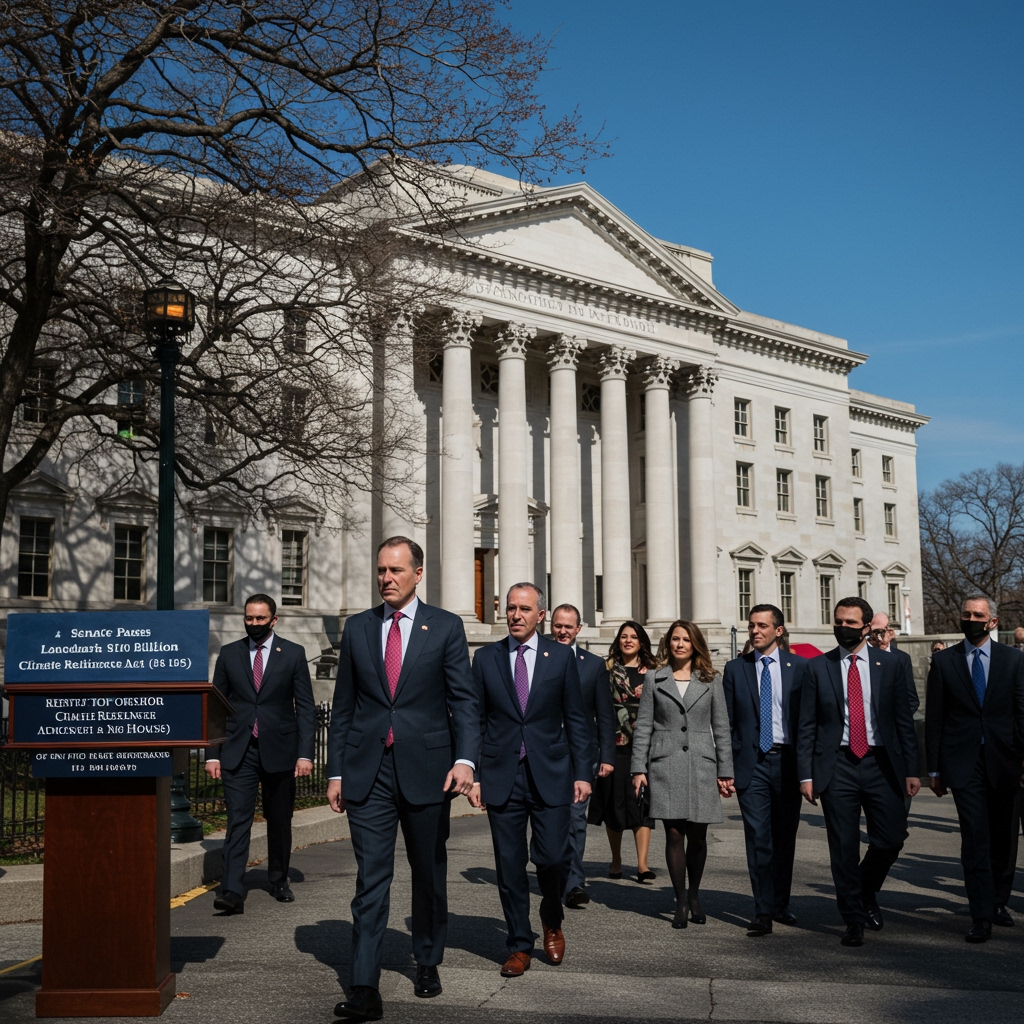
Observers of the region have long noted that China utilizes massive development projects and economic partnerships across Africa as a primary tool of its foreign policy. The accusation leveled by Taiwan’s Presidential Office—that Beijing exerted ‘intense pressure’ and practiced ‘economic coercion’—highlights the vulnerability of smaller nations caught in the crossfire of the Taiwan-China dispute. By conditioning economic support, debt forgiveness, and development infrastructure on adherence to the ‘One-China’ principle, Beijing has effectively institutionalized its influence. For nations like the Seychelles, Mauritius, and Madagascar, the calculus is no longer limited to regional politics; it involves a direct trade-off between the potential benefits of engaging with a democratic Taiwan and the tangible, often existential, risks of displeasing a global superpower.
Defining a New Norm in International Relations
China’s explicit praise for the three nations marks a significant departure from more discreet diplomatic maneuvering. In previous years, Beijing might have lobbied behind the scenes to minimize Taiwan’s footprint. The shift to public, vocal celebration of the overflight denial serves multiple purposes. Firstly, it reinforces the narrative that Taiwan is not an independent actor on the world stage, but rather a rogue element that must be constrained. Secondly, it serves as a warning to other nations that might consider expanding ties with Taipei: compliance with Beijing’s ‘One-China’ policy is now being monitored and measured through specific actions, not just declarations. This development creates a challenging precedent where airspace rights, previously considered a matter of routine aviation and international transit, are now treated as leverageable assets in geopolitical combat.
Taiwan’s Strategic Response and Domestic Fallout
For the administration of President Lai, this incident poses a severe challenge to his policy of proactive engagement with the international community. Taipei’s decision to label the event as a form of ‘servitude’ to Beijing reflects the intensity of the blow to its diplomatic standing. Domestically, the incident has reignited debates within Taiwan’s political sphere. While the ruling Democratic Progressive Party (DPP) emphasizes that no amount of pressure can negate Taiwan’s sovereignty, opposition figures—including members of the Kuomintang (KMT)—have expressed concerns that a total rejection of Beijing’s diplomatic sensitivities may invite unnecessary risks, arguing instead for a more nuanced approach to cross-strait relations. The cancellation of the Eswatini trip is not just a lost photo opportunity; it is a loss of a vital connection with one of the few nations that recognizes the Republic of China (ROC) formally.
FAQ: People Also Ask
Q: Why was the trip to Eswatini so significant?
A: Eswatini is one of the very few remaining nations—roughly a dozen—that maintains formal diplomatic ties with Taiwan. Maintaining these high-level visits is critical for Taipei to sustain its limited international recognition and project its sovereignty.
Q: Has this happened to a Taiwanese leader before?
A: While Taiwan’s presidents have long faced diplomatic restrictions, this is the first documented case where a sitting president had to cancel an entire overseas trip specifically because overflight permissions were revoked by third-party countries under alleged pressure from Beijing.
Q: What is the ‘One-China’ principle?
A: It is the diplomatic position that there is only one Chinese state, and Taiwan is an inalienable part of that state. China demands that other nations adhere to this principle as a prerequisite for formal diplomatic relations, often excluding official contact with Taiwan.
Q: What could be the potential fallout for the nations that denied the overflight rights?
A: While they are currently being praised by Beijing, they may face future backlash from democratic allies or international bodies concerned with the freedom of navigation and the politicization of international airspace, creating a complex diplomatic dilemma for these nations moving forward.