The Fulton Market district in Chicago has long been defined by its aggressive, high-stakes evolution—a neighborhood that transformed from a gritty meatpacking hub into a global culinary destination. Now, with the official opening of Black Briar, the district gains a new anchor that promises to bridge the gap between avant-garde technique and rustic, New American comfort.
The Fulton Market Landscape
To understand the gravity of Black Briar’s arrival, one must understand the environment it enters. Fulton Market is no longer merely a neighborhood; it is a high-density, high-rent battleground for the city’s top restaurateurs. Opening a new concept here requires more than just good food; it requires a distinct identity that can survive in a market already saturated with Michelin-starred titans and celebrity chefs. Black Briar enters this arena not by imitating the industrial-chic standard, but by leaning into the ‘New American’ definition, which serves as a chameleon-like culinary philosophy allowing for both innovation and accessibility.
The Culinary Philosophy: Defining ‘New American’
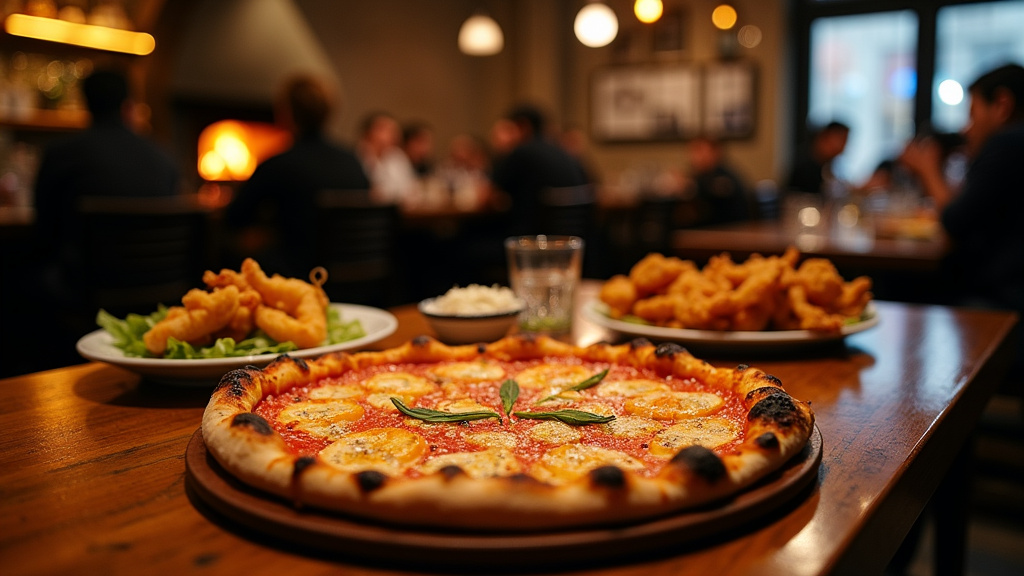
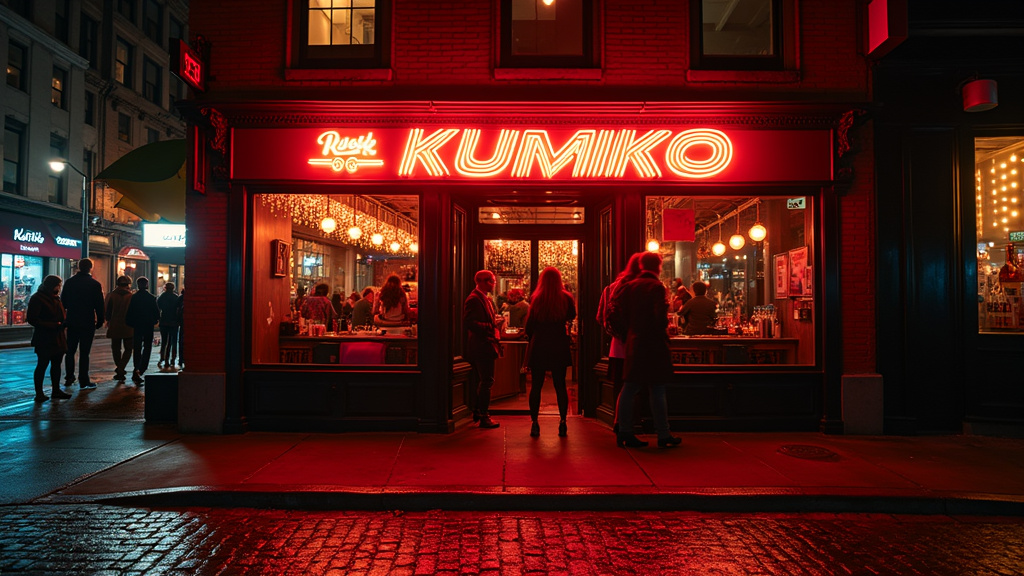
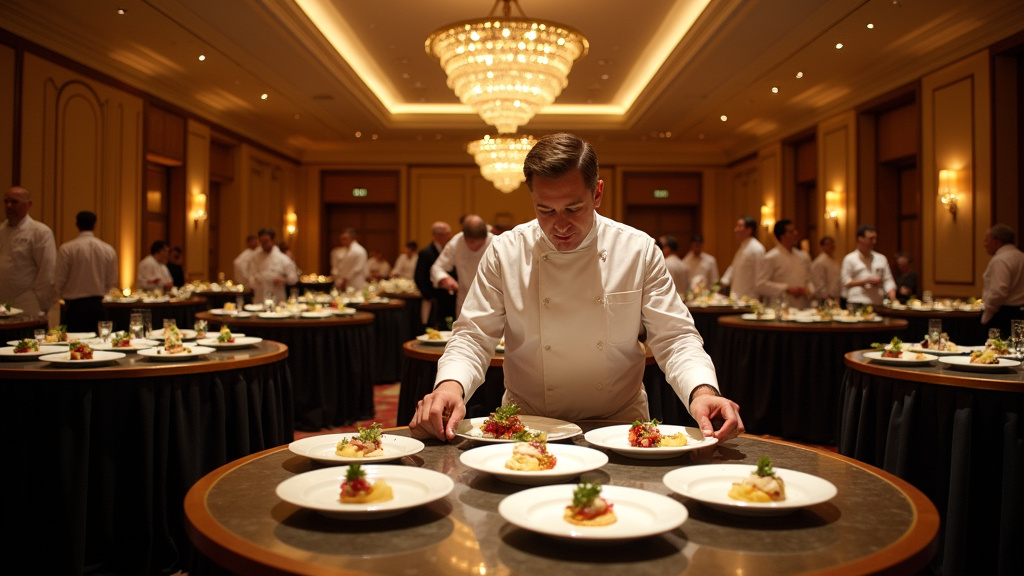
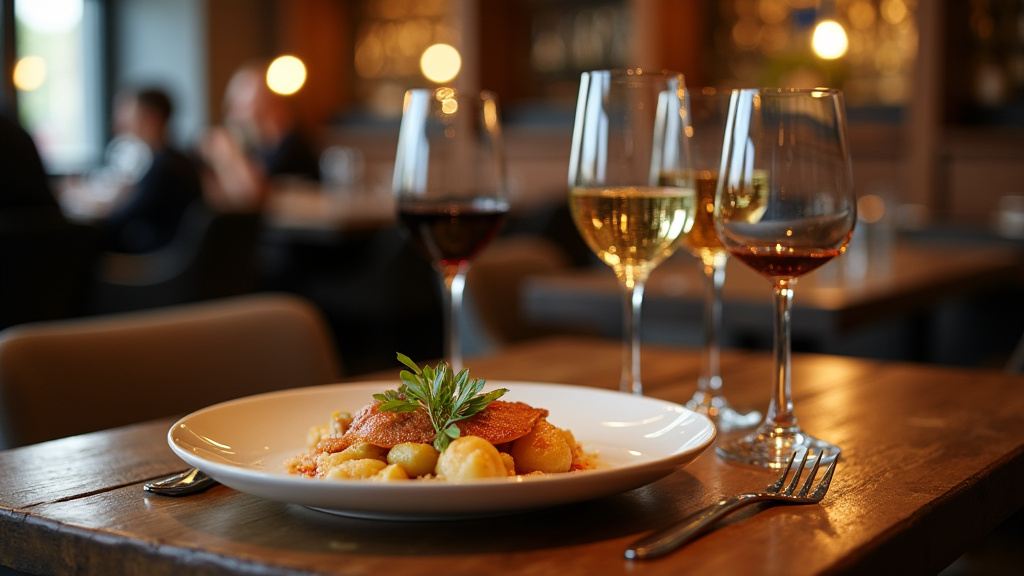
At its core, the menu at Black Briar functions as a curated map of seasonal Midwest sourcing interpreted through modern technique. Unlike traditional American steakhouses or casual bistros that dominate other Chicago pockets, Black Briar embraces the complexity of the New American genre. This approach involves a heavy emphasis on hyper-local ingredients—often sourced from neighboring Illinois and Wisconsin farms—while applying global cooking methods. Patrons can expect to see a focus on fermented elements, house-made charcuterie, and hearth-driven cooking methods that harken back to the region’s agricultural roots while pushing the boundaries of contemporary flavor profiles. The kitchen’s philosophy is rooted in the idea that ‘New American’ is not a fixed category but a constantly shifting dialogue between the farmer and the chef.
A Study in Design and Atmosphere
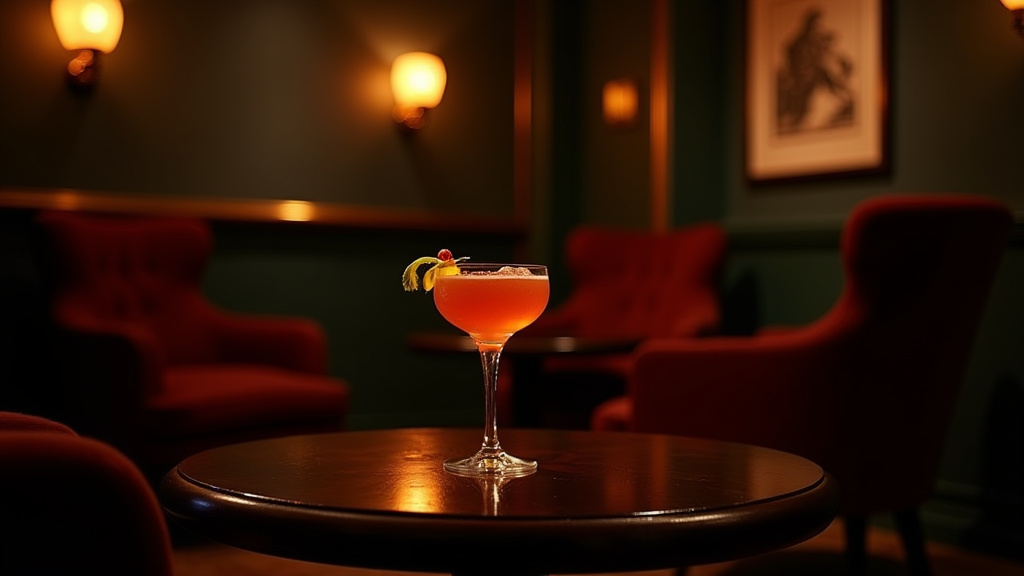
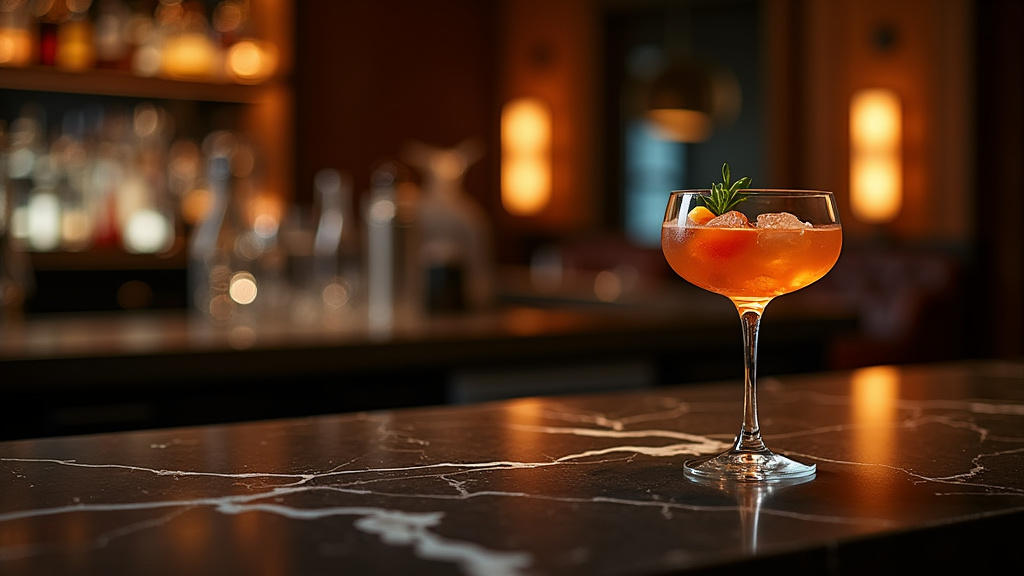
While the plate is paramount, the architecture of the dining experience at Black Briar is equally deliberate. The interior design reflects the industrial history of the Fulton Market corridor while softening the edges with organic materials—warm woods, matte metals, and subdued lighting that mimics the amber hues of the Chicago sunset. By opting for a design that feels timeless rather than aggressively ‘trendy,’ Black Briar is positioning itself for longevity. In a city where restaurant trends can burn out in eighteen months, this focus on a permanent, sophisticated aesthetic is a strategic business decision aimed at securing repeat local patronage rather than relying solely on the fickle tourist demographic.
The Economic Ripple Effect
The opening of Black Briar is indicative of the broader economic resilience of the Chicago restaurant scene. Despite national trends suggesting a cooling of the post-pandemic dining boom, Fulton Market remains an anomaly. The influx of corporate headquarters and residential towers in the immediate vicinity creates a captive, high-spending audience. Black Briar benefits from this ecosystem, but it also contributes to it by filling the gap for mid-week, business-casual dining—a sector that often gets overlooked in favor of weekend-only destination dining spots. By catering to the professional lunch crowd and the post-work dinner rush, Black Briar aims to establish itself as a daily pillar of the community rather than just a special-occasion destination.
Strategic Challenges and Future Outlook
Operating in the West Loop is not without its hurdles. Rising overhead, labor availability, and the ‘Fulton Market Premium’—the inflated costs of real estate and operations—mean that margin for error is razor-thin. For Black Briar to succeed long-term, it must maintain a consistency that is difficult to sustain in a high-volume environment. However, the management team’s focus on staff retention and supply chain stability suggests a long-term play. If they can execute with precision, Black Briar will likely be viewed as one of the definitive openings of this fiscal year, signaling that there is still room for growth in the most competitive district in the Midwest.
FAQ: People Also Ask
What makes Black Briar’s cuisine ‘New American’?
New American cuisine focuses on a blend of traditional American staples with global influences, seasonal sourcing, and modern culinary techniques. Black Briar differentiates itself by prioritizing hyper-local, Midwestern-sourced ingredients and hearth-based cooking methods.
Is reservations recommended for Black Briar?
Given its location in the highly popular Fulton Market district and the current demand for new dining experiences in the West Loop, reservations are highly recommended, especially for evening service and weekend slots.
How does Fulton Market’s culinary scene compare to the rest of Chicago?
Fulton Market is widely considered the epicenter of Chicago’s fine dining and nightlife boom. While other neighborhoods like Lincoln Park or Logan Square offer more casual or niche dining, Fulton Market attracts high-concept, high-investment restaurants, making it the most competitive and dense culinary market in the city.