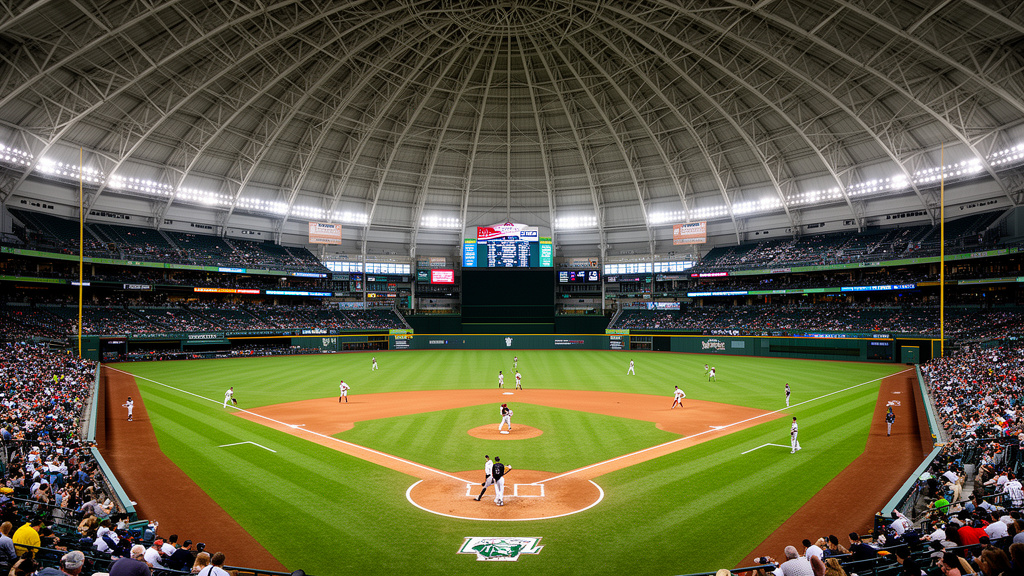
The San Diego Padres have officially clinched a high-stakes NL Wild Card Series rematch against the Chicago Cubs, setting the stage for what promises to be one of the most electric opening rounds of the postseason. With the series confirmed as a best-of-three format, the Padres have secured the crucial home-field advantage at Petco Park, placing the initial burden of performance on the visiting Cubs.
Key Highlights
- Series Format: The NL Wild Card Series is a best-of-three, with all games scheduled at Petco Park, giving the Padres a significant tactical and atmospheric advantage.
- Home Field Momentum: By securing the higher seed, San Diego guarantees the full support of the Petco Park crowd, a factor frequently cited by players and management as a pivotal variable in tight postseason games.
- The Rematch Factor: The rivalry between the Padres and the Cubs has intensified over recent seasons, making this specific pairing a marquee matchup for MLB television partners and fans alike.
- Strategic Timeline: The action begins this coming Tuesday, forcing both managerial staffs to finalize pitching rotations and bullpen usage strategies on a compressed timeline.
Petco Park Primed for Postseason Intensity
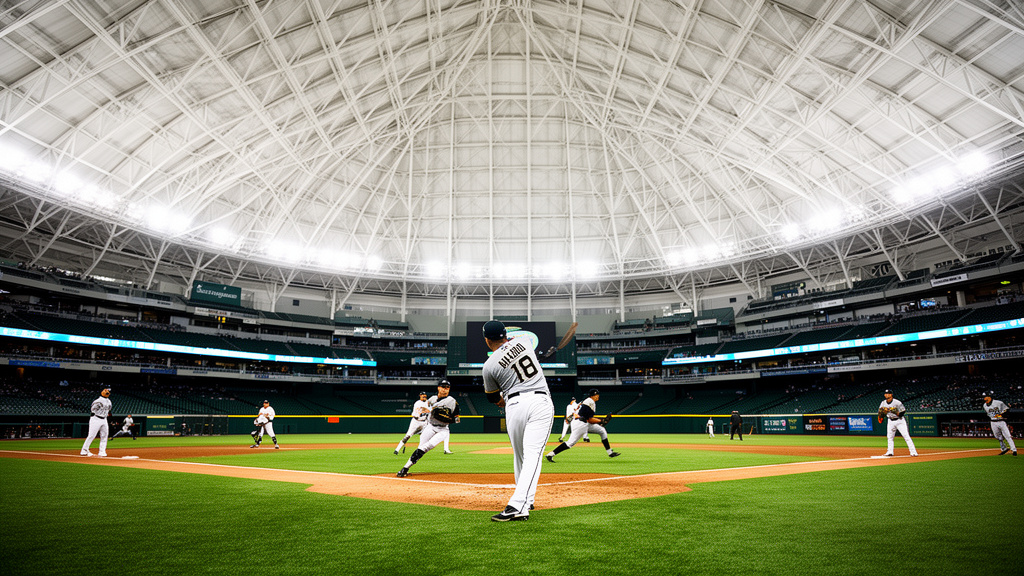
The announcement that the Chicago Cubs are headed to Southern California for the Wild Card Series has sent a surge of anticipation through the San Diego fan base. Petco Park, widely regarded as one of the premier baseball venues in Major League Baseball, is expected to provide a hostile and high-decibel environment for the visiting Cubs. For the Padres, the advantage extends beyond the confines of the stadium; it encompasses the logistical comfort of remaining in their home city, avoiding the fatigue of travel, and utilizing their home-field familiarity to dictate the tempo of the series.
Tactical Analysis: Offense vs. Pitching Depth


In a best-of-three series, the margin for error is razor-thin. Unlike a seven-game series where a team can rebound from a sluggish start, the Wild Card format demands immediate execution. For the Padres, this means leveraging their high-contact offensive lineup against the Cubs’ starting rotation. The Padres’ management will likely emphasize situational hitting—moving runners over and executing the fundamentals—to manufacture runs against a Cubs staff that relies heavily on strikeout efficiency. Conversely, the Cubs must rely on their defensive versatility to suppress the Padres’ power hitters, specifically looking to neutralize the middle of the order early in counts. The bullpen management will be the defining narrative of the series; with only three games to play, expect both managers to deploy high-leverage relievers earlier than in a traditional regular-season contest, potentially as early as the fifth or sixth inning.
Historical Context: The Rivalry and the Stakes
This matchup is not merely about seeding; it is about recent history. Both franchises have been on parallel trajectories, building rosters designed for October success. The previous encounters between these two teams have been characterized by dramatic shifts in momentum, with both the Padres and Cubs showcasing strong resilience. This series represents a collision of two distinct organizational philosophies: the Padres’ aggressive, star-studded roster construction versus the Cubs’ methodical, analytics-driven approach to fielding and pitch sequencing. Fans and analysts alike view this rematch as a litmus test for the core identities of both teams. The winner of this series will carry significant momentum into the Divisional Series, while the loser faces a long winter of introspection regarding their roster construction.
Economic and Community Impact on the Gaslamp Quarter
The announcement of a home Wild Card series for San Diego provides a massive, short-notice economic stimulus to the downtown Gaslamp Quarter and the surrounding East Village. Local businesses are bracing for a surge in foot traffic, with hotels, restaurants, and bars preparing for a capacity-heavy week. Historically, a postseason run in San Diego generates significant revenue not just for the stadium operators, but for the entire city’s hospitality sector. Beyond the fiscal impact, there is a tangible social phenomenon attached to these games. The transformation of the San Diego streets into a sea of brown and gold creates a unified city identity, often resulting in increased local tourism and long-term interest in the franchise, which translates to sustained ticket sales and merchandise revenue for the club in the following fiscal year.
FAQ: People Also Ask
Q: How does the best-of-three Wild Card Series format change team strategy?
A: The short format forces teams to abandon the typical ‘five-man rotation’ mindset. Managers will prioritize their top two starting pitchers and their most reliable high-leverage relievers, often willing to pull a starter at the first sign of trouble to prevent big innings.
Q: Why does home-field advantage matter so much at Petco Park?
A: Petco Park offers a unique environment due to the cool coastal air, which impacts ball flight, and the distinct, vocal nature of the home crowd. The Padres have historically performed well when fueled by the energy of the home fans, who are known for creating a raucous, playoff-specific atmosphere.
Q: Is the Padres vs. Cubs series considered a historic rivalry?
A: While not traditional geographic rivals, the two teams have played several high-profile series over the last decade that have solidified a competitive, often intense, on-field animosity, making every game between them feel like a playoff preview.
Q: Where can fans watch the Wild Card Series?
A: The series will be broadcast on national networks holding MLB rights, with streaming options available through major sports platforms. Check your local listings for specific channel assignments and regional blackout rules.