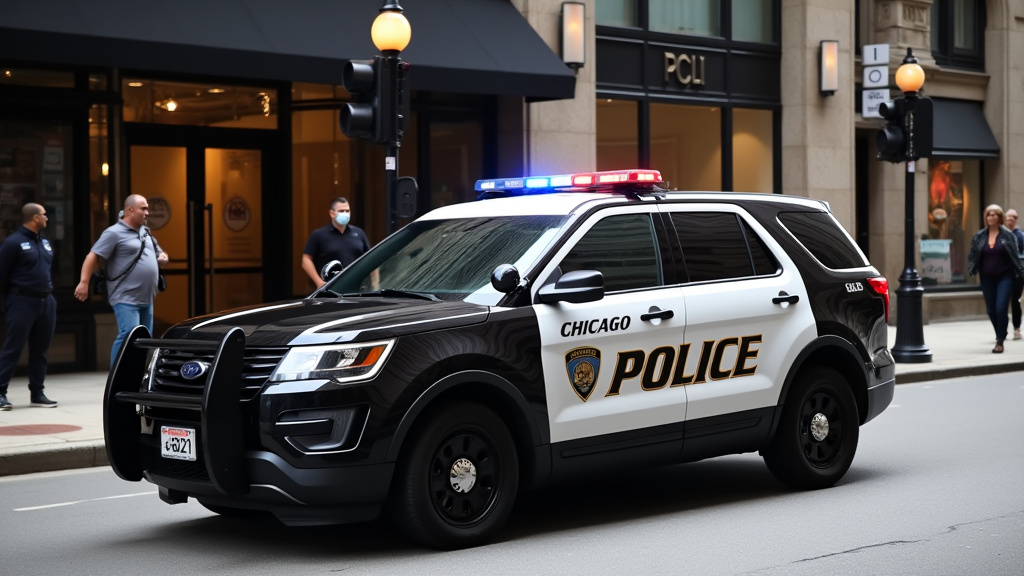
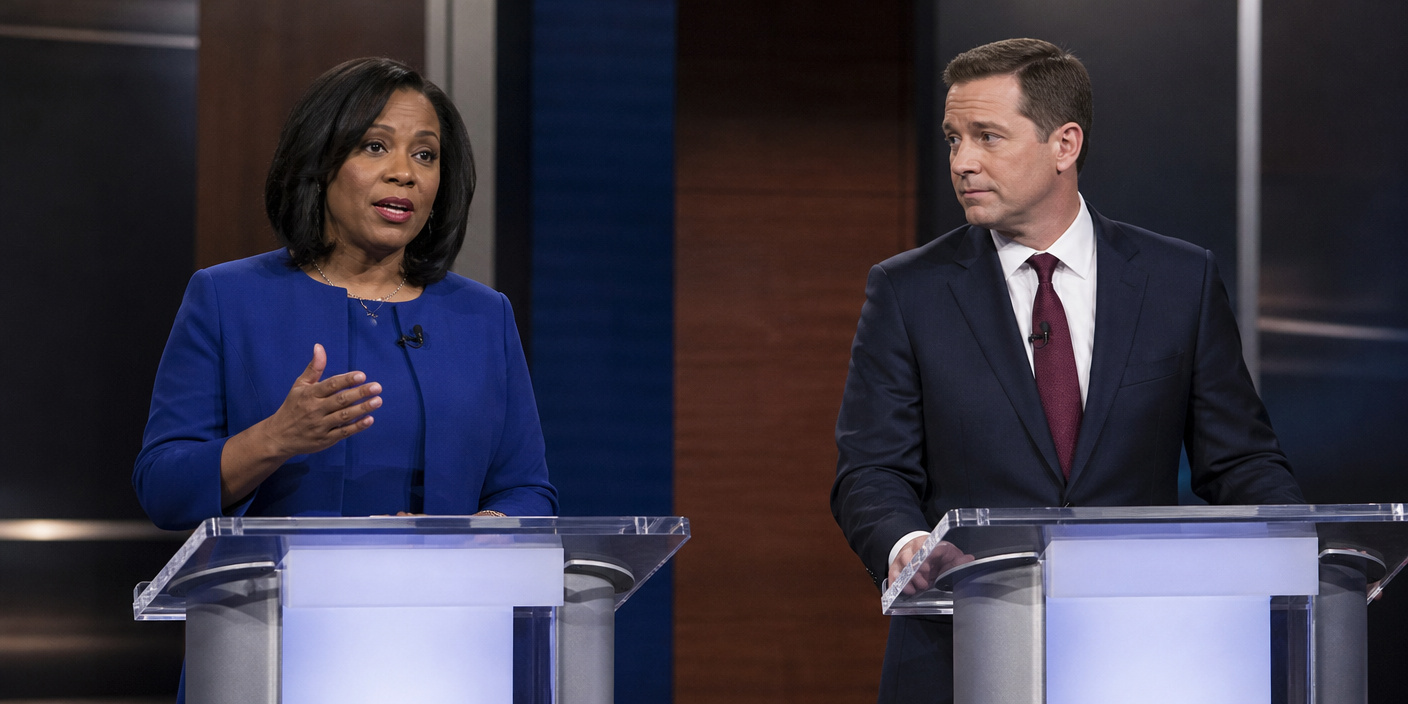
The 25th Police District Council has taken a critical step in restoring its full operational capacity, submitting a slate of three finalists to the Community Commission for Public Safety and Accountability (CCPSA). This selection process was necessitated by the recent resignation of councilor Saul Arellano, a departure that left a gap in the volunteer body tasked with improving police-community relations and providing civilian oversight in Chicago’s 25th District, which encompasses the vibrant neighborhoods of Logan Square, Hermosa, and Avondale.
Key Highlights
- The 25th District Council has officially nominated three finalists to replace outgoing councilor Saul Arellano.
- The candidates will now undergo a rigorous vetting process by the Community Commission for Public Safety and Accountability (CCPSA).
- Upon completion of the CCPSA review, a recommendation will be forwarded to Mayor Brandon Johnson for final appointment.
- This vacancy is a critical test for the district’s newly established oversight structure, which aims to bridge the gap between CPD leadership and local neighborhood needs.
Navigating the Selection Process and Accountability Structures
The appointment of a new council member for the 25th District is more than a simple administrative replacement; it is a demonstration of the functional mechanics of the city’s post-consent decree policing framework. Established in the wake of significant pushes for police reform, the District Councils were designed to ensure that specific local concerns—ranging from public safety strategies to community interaction protocols—have a direct line to the CCPSA and, by extension, the Office of the Mayor.
The resignation of Saul Arellano, who served as a foundational member of the council, placed an immediate onus on the remaining council members to conduct a transparent, equitable search. The selected finalists, whose names are now with the CCPSA, represent a diverse cross-section of civic engagement within the 25th District. This transition period is being closely watched by neighborhood advocates who believe that the council’s ability to refill its own ranks efficiently is a litmus test for the sustainability of the district-level accountability model.
The Role of the CCPSA in Modern Governance




The Community Commission for Public Safety and Accountability acts as the gatekeeper in this process. Its role is to ensure that nominees for district councils meet the statutory requirements and embody the spirit of the reform measures passed by the City Council. The CCPSA does not merely rubber-stamp the district council’s choices; it evaluates each candidate’s potential to uphold the integrity of the oversight mission. This vetting includes reviewing candidate histories, assessing their commitment to community policing initiatives, and ensuring that no conflicts of interest impede their ability to serve the public interest. For the 25th District, the CCPSA’s involvement provides a layer of assurance that the vacancy will be filled by someone who is genuinely responsive to the diverse, and often competing, safety interests of the Logan Square, Hermosa, and Avondale communities.
Impact on Neighborhood Policing
The 25th District is one of the most dynamic areas in Chicago, characterized by rapid gentrification, significant commercial corridors, and long-standing residential strongholds. The police council acts as a crucial liaison, helping to translate these hyper-local dynamics into broader policy recommendations. When a seat remains vacant, the council’s ability to hold its monthly meetings and execute its oversight duties is diminished.
By narrowing the field to three finalists, the council is attempting to minimize the duration of this operational disruption. These candidates are expected to demonstrate not only a dedication to public safety but also the political bandwidth to navigate the complex relationship between the Chicago Police Department (CPD) and the community members they serve. The upcoming appointment by Mayor Brandon Johnson will likely be influenced by the CCPSA’s feedback, making the current review phase the most consequential part of the process.
Secondary Angles: Examining the Future of District Oversight
1. Civic Engagement Challenges: The vacancy highlights the difficulty of maintaining consistent, volunteer-led civilian oversight bodies. Unlike full-time government roles, district council positions require significant uncompensated time, raising questions about whether the current structure can sustain long-term participation from working-class residents or if it risks becoming dominated by specific political interest groups.
2. The Mayor’s Prerogative: The involvement of Mayor Brandon Johnson in the final appointment step underscores the tension between decentralized local oversight and centralized executive authority. How the Mayor exercises his discretion on this appointment will signal his administration’s commitment to the autonomy of the district councils.
3. Institutional Memory and Turnover: The resignation of an initial council member like Arellano underscores the reality of high turnover in new government bodies. The 25th District must now focus not just on filling the seat, but on implementing a framework for knowledge transfer so that future vacancies do not lead to the loss of momentum in district policing strategies.
As the CCPSA concludes its review, the residents of the 25th District await a decision that will determine who will hold the final seat on the council. This process serves as an important case study for other districts across Chicago, proving that the strength of the new oversight model depends heavily on the diligence of its local participants.