Waymo, the Alphabet-backed autonomous vehicle pioneer, has officially begun its expansion into Chicago, marking a pivotal test for the industry. As of early April 2026, the company is actively mapping the city’s complex grid and conducting test drives—not as the fully driverless robotaxis seen in Phoenix or San Francisco, but with human safety drivers behind the wheel. This cautious entry into the Midwest’s largest metropolis serves as a calculated trial, designed to gather the critical data required to navigate Chicago’s notorious weather, dense traffic, and grid-based infrastructure. However, the move has ignited a contentious debate at the state level, placing the future of autonomous transit in Illinois at a legislative crossroads.
The Anatomy of the Chicago Pilot
For Chicagoans, the sight of a Waymo-branded vehicle cruising through the Near North Side or The Loop is becoming increasingly common. But it is vital to distinguish between what is currently happening and what the company aspires to achieve. The current phase is primarily focused on “ground truth” acquisition: using lidar, radar, and high-definition cameras to build a comprehensive 3D map of the city’s unique environmental signatures.
Unlike the predictable, sun-drenched environments of Arizona or the generally mild conditions of California, Chicago presents a “worst-case scenario” for current autonomous sensor suites. The city’s severe winter weather, ranging from lake-effect snow to slush-covered lane markers and icy pavement, poses significant challenges for the perception systems that guide these vehicles. By operating with human safety drivers, Waymo is essentially playing the long game—collecting the failure-case data necessary to train its machine learning models before a fully driverless request is ever formally submitted to state regulators.
Legislative Gridlock: The Road to Approval
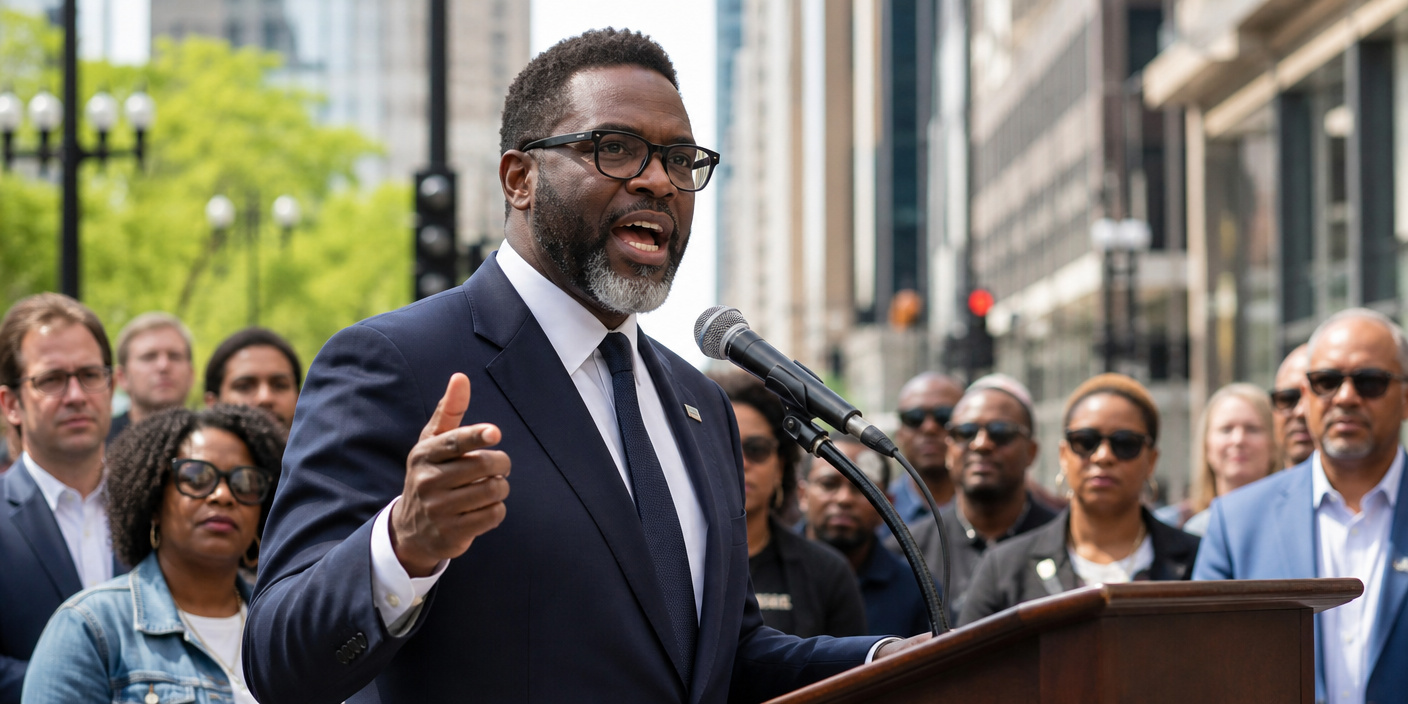
While engineers are busy mapping streets, a high-stakes legislative drama is unfolding in Springfield. State Representative Kam Buckner, a Democrat from Chicago, introduced the Autonomous Vehicle Pilot Project Act in January 2026. The bill is ambitious, aiming to create a formal framework for testing and eventual deployment in counties with populations over one million, including Cook County, as well as several other strategic jurisdictions like Sangamon and Madison.
However, the bill has encountered stiff resistance and is currently stalled in the Rules Committee. This legislative purgatory reflects a deep-seated caution among Illinois lawmakers. The debate is multifaceted, centering not just on the technical readiness of the vehicles, but on liability, insurance, and the socio-economic implications of displacing human drivers. Lawmakers are under intense pressure to ensure that if these vehicles are permitted, the regulatory framework guarantees public safety and accountability—a concern magnified by recent high-profile federal investigations into autonomous vehicle safety incidents in other states.
The Labor & Public Sentiment Divide




Beyond the technical and legal hurdles, Waymo faces a “hearts and minds” campaign in Chicago. The labor sector has emerged as a significant opponent, with groups like the Illinois Drivers Alliance and various labor unions actively lobbying against the rapid introduction of autonomous tech. The argument is centered on the potential for job displacement for the estimated 100,000 gig-economy drivers, taxi operators, and delivery personnel across the state.
Public sentiment, meanwhile, remains fractured. While some Chicagoans view the entry of Waymo as an inevitable technological evolution that could improve road safety—citing statistics regarding the reduction of injury-causing accidents compared to human drivers—others are deeply skeptical. For the average commuter, the primary concern is predictability. As one resident noted, Chicago traffic is a chaotic ecosystem of aggressive maneuvering and split-second decisions; many residents are unconvinced that a machine-learning agent can replicate the nuanced, often intuitive, defensive driving required to survive a rush-hour commute on the Kennedy Expressway.
The Engineering Challenge: Why Chicago is Different
Technically, Chicago is a litmus test for the scalability of autonomous technology. The city’s geography is dominated by a rigid, perpendicular grid system, but the sheer density of the downtown core, combined with the presence of bike lanes, unpredictable pedestrian behavior, and erratic delivery vehicles, makes for a complex environment.
Furthermore, the “Weather Variable” is the elephant in the room. Autonomous systems rely heavily on visual cues (lanes, signs, curbs) and lidar returns. Heavy snow can obscure these visual anchors, and salt-crusted sensors can lead to “perception drift.” Waymo’s ability to solve for these variables in Chicago will likely define the next generation of its ‘Driver’ software stack. If the company can successfully navigate a Chicago winter—not just in ideal conditions but in the middle of a January squall—it will unlock the capability to operate in almost any major northern city in the United States.
Ultimately, Waymo’s Chicago deployment is less about immediate commercial revenue and more about strategic endurance. By establishing a presence now, the company is betting that the combination of technological maturation and intense lobbying will eventually force the state’s hand, opening up one of the largest transit markets in the country to the era of the robotaxi.
FAQ: People Also Ask
Q: Are Waymo vehicles in Chicago currently driverless?
A: No. All Waymo vehicles currently operating in Chicago are equipped with human safety drivers. The current phase is focused on mapping the city and collecting environmental data to refine the autonomous software, rather than carrying commercial passengers without oversight.
Q: What is the status of the Autonomous Vehicle Pilot Project Act?
A: As of April 2026, the bill is currently held up in the Rules Committee in the Illinois legislature. It faces significant hurdles, including opposition from labor unions and concerns from lawmakers regarding safety, liability, and the impact on the local workforce.
Q: Why is Chicago considered a difficult environment for autonomous vehicles?
A: Chicago presents several unique challenges: severe weather conditions (including heavy snow and ice) that can interfere with sensor performance, extremely dense urban traffic patterns, and a complex infrastructure that requires high-fidelity, real-time decision-making that differs significantly from the sunnier climates where Waymo typically operates.
Q: How are local residents reacting to the testing?
A: Reaction is mixed. While some residents view the technology as a potential step forward for road safety and urban innovation, many are skeptical, citing concerns about potential job displacement for gig workers, the accuracy of the technology in bad weather, and a general lack of transparency regarding safety data.