Skip to content
The Chicago Today
Quantum Aerospace
  • Home
  • Current News
  • Explore & Enjoy
  • Sports
  • Sound & Screen
  • Sip & Savor
  • Style & Innovation
  • Editors Take
Trending
April 16, 2026Chicago’s CIVL Fest 2026 Kicks Off: Indie Music Takeover April 16, 2026GoPro Mission 1 Series: The Future of Compact 8K Cinema April 16, 2026Chicago Tip Credit War: Council Fails to Override Mayor’s Veto April 16, 2026Beef Season 2: The Chaos Returns to Netflix Today April 16, 202642nd Chicago Latino Film Festival Opens: A New Era of Intimacy April 13, 2026Karol G’s Historic Coachella Set: Lusty, Powerful, & Overdue April 13, 2026Cubs Shock Pirates With Late 7-6 Comeback Win at Wrigley April 13, 2026Chicago O’Hare Gridlock: FAA Forces Major Summer Flight Cuts April 13, 2026Busch & Kelly Ignite Cubs’ Dramatic 7-6 Comeback Win April 13, 2026SAIC Graduate Fashion Deadline: Final Opportunity for 2026 Applicants
The Chicago Today
The Chicago Today
  • Home
  • Current News
  • Explore & Enjoy
  • Sports
  • Sound & Screen
  • Sip & Savor
  • Style & Innovation
  • Editors Take
  • Blog
  • Forums
  • Shop
  • Contact
The Chicago Today
  Current News  US Senate Approves Mammoth Trump Tax & Spending Bill After VP Casts Deciding Vote
Current News

US Senate Approves Mammoth Trump Tax & Spending Bill After VP Casts Deciding Vote

Arjun PatelArjun Patel—July 2, 20250
FacebookX TwitterPinterestLinkedInTumblrRedditVKWhatsAppEmail

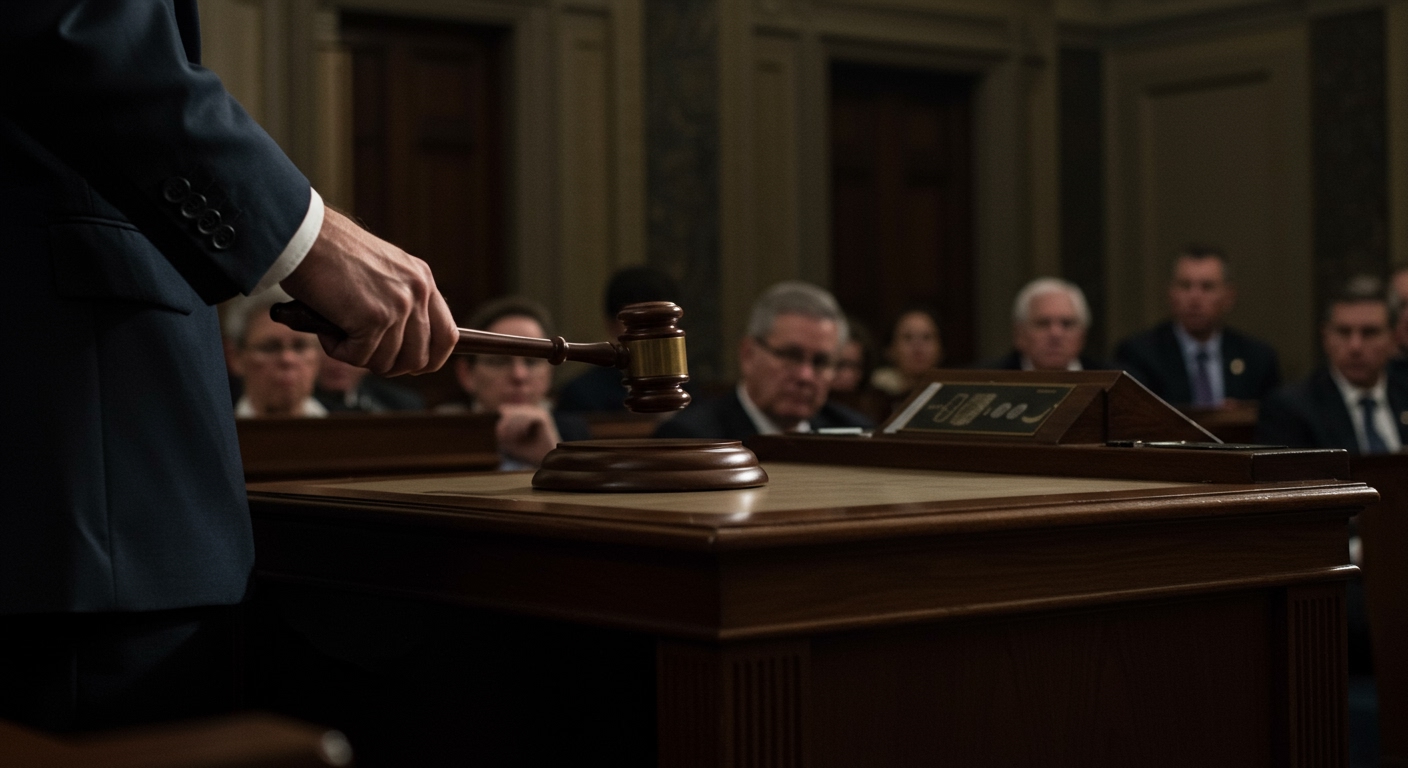
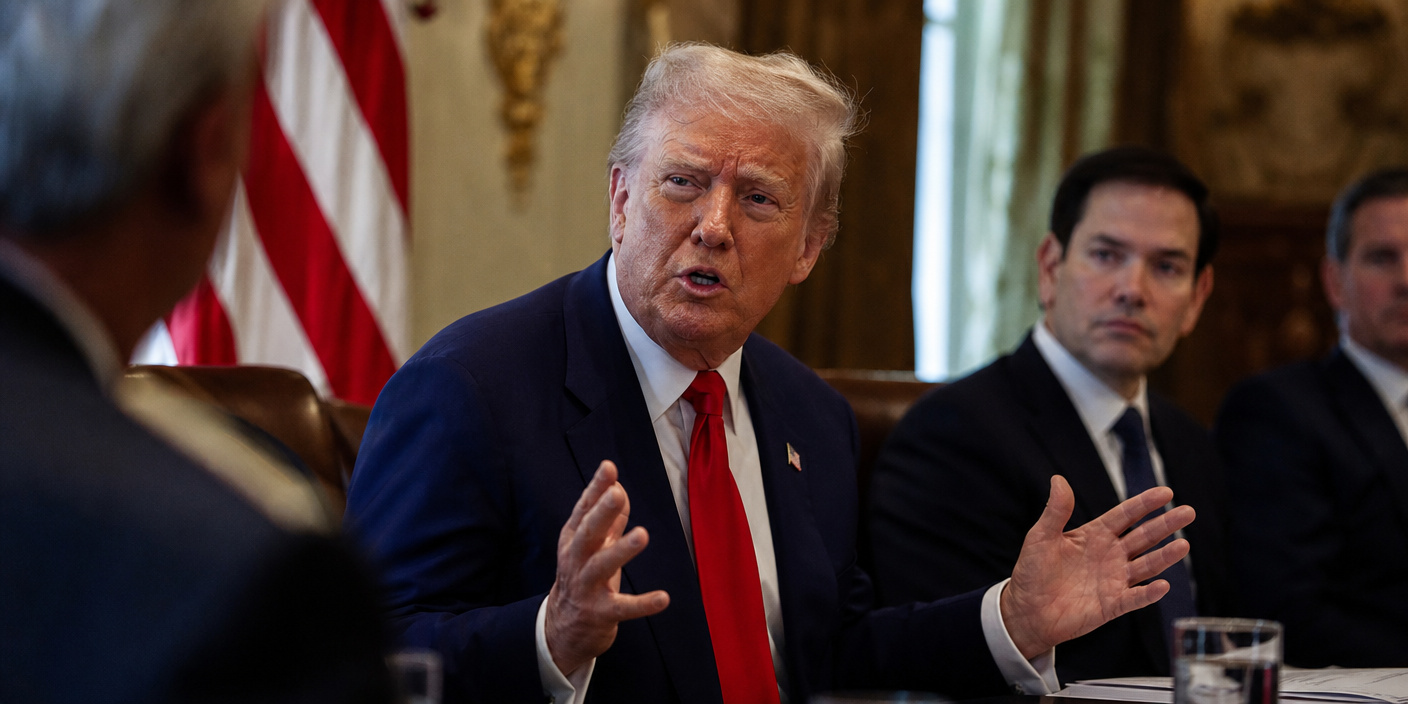
WASHINGTON – The United States Senate delivered a pivotal legislative outcome on Tuesday, July 1, narrowly approving a sweeping tax cut and spending bill championed by President Donald Trump. The ambitious package, variously referred to by proponents and critics alike as the “megabill” or the “mammoth domestic policy Bill,” advanced following a rare 50-50 tie vote, broken only by the crucial vote cast by Vice President JD Vance.

The Senate Vote

More stories
US Senate Passes Sweeping Trump Tax and Spending Bill After Historic Tie Breaking Vote by VP Vance

US Senate Passes Sweeping Trump Tax and Spending Bill After Historic Tie-Breaking Vote by VP Vance

July 2, 2025
California Welcomes New Era Key Laws Take Effect July 1 2025 Impacting Wages Online Commerce and Healthcare Access

California Welcomes New Era: Key Laws Take Effect July 1, 2025, Impacting Wages, Online Commerce, and Healthcare Access

July 1, 2025
Senate Republican Mega Bill Hit by Key Parliamentarian Ruling Imperiling Core Provisions on Medicaid and Immigration Status

Senate Republican Mega Bill Hit by Key Parliamentarian Ruling, Imperiling Core Provisions on Medicaid and Immigration Status

June 28, 2025
Trump Enacts Sweeping Budget Tax Law on Independence Day Amid Fierce Opposition

Trump Enacts Sweeping Budget, Tax Law on Independence Day Amid Fierce Opposition

July 5, 2025

The razor-thin margin of approval underscored the deep divisions within the U.S. Congress regarding the bill’s contents and potential impact on the nation’s economy and social fabric. While all 47 Democrats stood in unified opposition to the measure, they were joined by three notable Republican senators who crossed party lines: Rand Paul of Kentucky, Tom Tillis of North Carolina, and Susan Collins of Maine. Their dissent from the majority of their Republican colleagues highlighted specific concerns about the bill’s fiscal implications, its priorities, or its specific provisions, details of which were central to the intense debate that preceded the final roll call. The necessity of the Vice President casting a tie-breaking vote is a relatively uncommon occurrence in the Senate and signifies the extreme polarization surrounding the legislation.

Understanding the Legislation’s Scope

At the heart of the comprehensive legislation are two primary, and contrasting, sets of provisions that signal a significant shift in federal fiscal policy. The bill includes measures explicitly designed to permanently extend tax cuts originally enacted during the Trump administration. Supporters argue these extensions are crucial for fostering long-term economic stability, encouraging business investment, and providing certainty for both corporations and individual taxpayers. Simultaneously, the bill proposes significant reductions in federal spending across various sectors, particularly targeting social services. This includes substantial scaling back of programs such as Medicaid, which provides essential health coverage to millions of low-income Americans, and food subsidies, commonly known as food stamps, which offer nutritional assistance to vulnerable populations and families facing economic hardship. Critics argue these proposed spending cuts will disproportionately affect lower and middle-income households, creating significant challenges for those reliant on these safety net programs, while the tax provisions heavily benefit wealthier individuals.

Path Forward to the House

With Senate approval secured, the “megabill” now moves to the House of Representatives for consideration and a potential final vote. The timeline for potential enactment is notably ambitious, aligning with a deadline publicly desired by President Trump himself: July 4th. House Speaker Mike Johnson has publicly expressed confidence that the bill will successfully navigate the House and be sent to the president’s desk by this date, signalling strong leadership support for the measure within the Republican majority in the lower chamber. A swift passage in the House would represent a significant legislative victory for the administration and congressional leaders supporting the bill.

Economic Implications and Analysis

The potential economic consequences of the bill have been a subject of intense scrutiny from economists and financial institutions. Independent analyses assessing the legislation’s likely effects indicate that many of the benefits conferred by the bill, particularly the extensions of the Trump-era tax cuts, are expected to disproportionately favor wealthier individuals and corporations. This finding has fueled criticism that the bill may exacerbate existing economic inequality. Adding another layer of complexity to the broader economic outlook, the major financial services firm JP Morgan recently issued a significant warning regarding the potential trajectory of the U.S. economy. The firm’s analysis suggests a possible U.S. recession could materialize in late 2025. This projection is attributed, at least in part, to the anticipated impact of tariffs, adding an element of uncertainty to the long-term economic environment in which these new, sweeping fiscal policies will operate.

Broader Context and Outlook

The passage of such a significant piece of legislation through the Senate with a mere tie-breaking vote underscores the highly contested political landscape surrounding major fiscal policy decisions in the United States. The bill’s blend of permanent tax reductions and significant spending cuts reflects a conservative fiscal philosophy aimed at reducing the size and scope of government programs while stimulating economic activity through tax relief, particularly for higher earners. The intense debate and narrow outcome highlight the fundamental disagreements between the major parties regarding the government’s role in the economy, the necessity and scale of social safety nets, and the fairest way to manage the national debt and promote prosperity. While proponents celebrate the Senate vote as a crucial step towards fiscal responsibility and growth, opponents warn of increased hardship for vulnerable populations and a potential increase in the national debt over the long term, despite claims of fiscal neutrality. The legislative battle now shifts to the House, where Speaker Johnson anticipates a swift passage, but the bill’s ultimate impact on the American economy and its citizens will be closely monitored and debated for years to come, set against a backdrop of broader economic uncertainties like the recession forecast.

author avatar
Arjun Patel
Arjun Patel is a writer who explores where cutting-edge technology meets the cultural pulse. From emerging startups changing the face of urban life to the social implications of online communities, his work connects dots that others might miss. Arjun’s reporting has appeared in various digital publications, making complex tech landscapes feel both accessible and human. When he steps away from the keyboard, he’s seeking out local art scenes, discovering indie film festivals, or debating the future of social media over a strong cup of coffee. In a world overwhelmed by headlines, Arjun’s storytelling offers depth, context, and a reminder that tech isn’t just about gadgets—it’s about the people using them.
See Full Bio
legislationtaxation
FacebookX TwitterPinterestLinkedInTumblrRedditVKWhatsAppEmail

Arjun Patel

Arjun Patel is a writer who explores where cutting-edge technology meets the cultural pulse. From emerging startups changing the face of urban life to the social implications of online communities, his work connects dots that others might miss. Arjun’s reporting has appeared in various digital publications, making complex tech landscapes feel both accessible and human. When he steps away from the keyboard, he’s seeking out local art scenes, discovering indie film festivals, or debating the future of social media over a strong cup of coffee. In a world overwhelmed by headlines, Arjun’s storytelling offers depth, context, and a reminder that tech isn’t just about gadgets—it’s about the people using them.

US Senate Passes Sweeping Trump Tax and Spending Bill After Historic Tie-Breaking Vote by VP Vance
Elite International Volleyball Draws Record 39,500 Fans to Chicago Area VNL Stop
Related posts
  • Related posts
  • More from author
Current News

Hungary’s Political Earthquake: Orbán Concedes After 16 Years

April 13, 20260
Current News

Islamabad Summit: U.S.-Iran Diplomatic High-Wire Act Begins

April 11, 20260
Current News

US, Iran Agree to 2-Week Ceasefire Amid Global Tensions

April 8, 20260
Load more
Read also
Sip & Savor

Chicago’s CIVL Fest 2026 Kicks Off: Indie Music Takeover

April 16, 20260
Style & Innovation

GoPro Mission 1 Series: The Future of Compact 8K Cinema

April 16, 20260
Sip & Savor

Chicago Tip Credit War: Council Fails to Override Mayor’s Veto

April 16, 20260
Sound & Screen

Beef Season 2: The Chaos Returns to Netflix Today

April 16, 20260
Explore & Enjoy

42nd Chicago Latino Film Festival Opens: A New Era of Intimacy

April 16, 20260
Sound & Screen

Karol G’s Historic Coachella Set: Lusty, Powerful, & Overdue

April 13, 20260
Load more
Recent Posts
  • Chicago’s CIVL Fest 2026 Kicks Off: Indie Music Takeover April 16, 2026
  • GoPro Mission 1 Series: The Future of Compact 8K Cinema April 16, 2026
  • Chicago Tip Credit War: Council Fails to Override Mayor’s Veto April 16, 2026
  • Beef Season 2: The Chaos Returns to Netflix Today April 16, 2026
  • 42nd Chicago Latino Film Festival Opens: A New Era of Intimacy April 16, 2026

    # TRENDING

    chicago20252026aiFashionStreamingreviewaccountabilityinnovationfundingfestivalmusicnetflixalbumculinaryactionacquisitionnascarhululineup
    © 2024 All Rights Reserved by Chicago Today
    • Contact
    • Cookie Policy
    • Privacy Policy
    chiago today lower txt logo colroed and finished wbg
    Manage Consent
    To provide the best experiences, we use technologies like cookies to store and/or access device information. Consenting to these technologies will allow us to process data such as browsing behavior or unique IDs on this site. Not consenting or withdrawing consent, may adversely affect certain features and functions.
    Functional Always active
    The technical storage or access is strictly necessary for the legitimate purpose of enabling the use of a specific service explicitly requested by the subscriber or user, or for the sole purpose of carrying out the transmission of a communication over an electronic communications network.
    Preferences
    The technical storage or access is necessary for the legitimate purpose of storing preferences that are not requested by the subscriber or user.
    Statistics
    The technical storage or access that is used exclusively for statistical purposes. The technical storage or access that is used exclusively for anonymous statistical purposes. Without a subpoena, voluntary compliance on the part of your Internet Service Provider, or additional records from a third party, information stored or retrieved for this purpose alone cannot usually be used to identify you.
    Marketing
    The technical storage or access is required to create user profiles to send advertising, or to track the user on a website or across several websites for similar marketing purposes.
    • Manage options
    • Manage services
    • Manage {vendor_count} vendors
    • Read more about these purposes
    View preferences
    • {title}
    • {title}
    • {title}