Former Chicago Police Superintendent Larry Snelling has taken a decisive, firm stand regarding internal disciplinary protocols, overruling a recommendation from the Civilian Office of Police Accountability (COPA) to merely suspend an officer. Instead, Snelling pursued the termination of an officer involved in a violent domestic disturbance characterized by property damage and the use of egregious racial and homophobic slurs.
This move marks a significant moment for the Chicago Police Department (CPD), highlighting an ongoing tension between independent civilian oversight and the Superintendent’s executive authority to set a standard for conduct that, in his view, the department cannot tolerate.
Key Highlights
- Superintendent Intervention: Larry Snelling directly rejected a COPA recommendation for suspension, insisting that the severity of the officer’s actions mandated termination.
- Nature of Misconduct: The officer in question reportedly kicked down his girlfriend’s door while intoxicated and directed racial and homophobic slurs at those present during the incident.
- Accountability Shift: The decision reflects a broader effort to re-establish strict behavioral standards within the department, challenging the leniency sometimes found in civilian oversight recommendations or labor arbitrations.
- Institutional Conflict: The case underscores the complex relationship between COPA’s investigative findings and the Superintendent’s final disciplinary authority.
The Clash Between Oversight and Executive Authority
The disciplinary landscape within the Chicago Police Department has long been a subject of intense public scrutiny, characterized by a complex interplay between the department’s internal hierarchy, the Civilian Office of Police Accountability (COPA), and the oversight of labor arbitrators. In this specific case, the discrepancy between the investigative body’s findings and the Superintendent’s final action brings to light the friction inherent in the city’s police reform efforts.
When COPA investigates allegations of misconduct, it issues recommendations that guide the Superintendent. Historically, these recommendations have been treated with significant weight. However, Snelling’s decision to pursue termination—a more severe penalty than the suspension suggested by COPA—signals a clear intent to move beyond the “business as usual” approach to officer discipline. For Snelling, the calculus is not just about the specific incident, but about the preservation of public trust and the internal culture of the CPD.
Analyzing the Misconduct: A Violation of Values
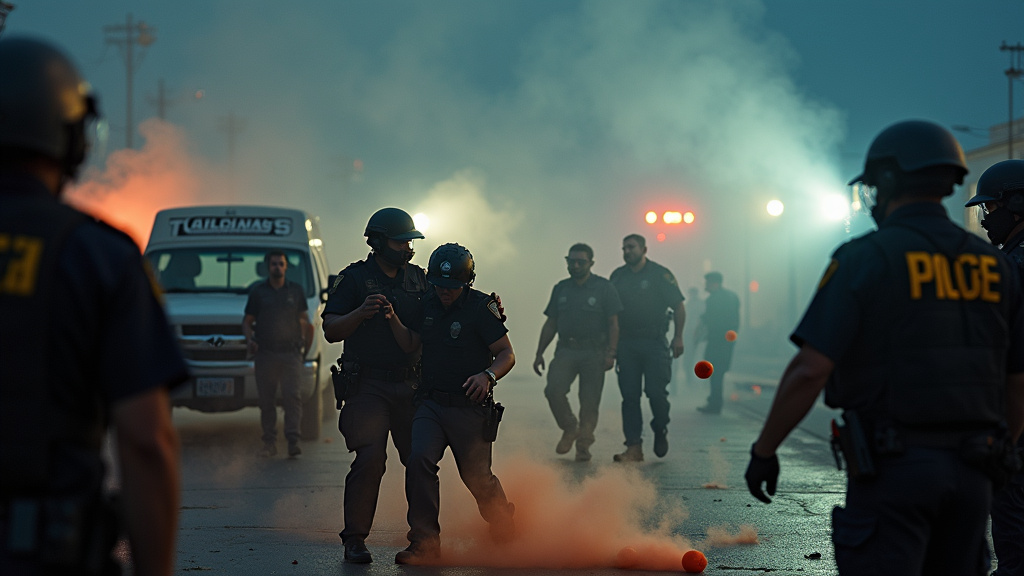
The details of the incident are particularly egregious. The officer, while intoxicated, engaged in a domestic disturbance that involved forcing entry into his girlfriend’s residence by kicking down the door. Beyond the physical destruction and the domestic violence implications, the use of racial and homophobic slurs added a layer of discriminatory conduct that directly contradicts the department’s stated commitment to equity and inclusivity.


From the Superintendent’s perspective, such conduct is not merely a “disciplinary infraction” but a disqualifying event. By prioritizing termination, Snelling is framing this behavior as incompatible with the sworn duties and ethical obligations of a law enforcement officer. This sends a ripple through the ranks: the message is that intoxication and bigotry will not be mitigated by the officer’s professional record or tenure.
The Arbitrator’s Dilemma and Institutional Culture
A critical, often overlooked aspect of CPD discipline is the role of labor arbitration. Even when a Superintendent seeks to fire an officer, the decision is frequently subject to review by independent arbitrators, who have historically been more likely to reduce terminations to suspensions or reprimands. This reality makes Snelling’s initial move to seek termination all the more vital.
If the Superintendent does not push for the maximum possible penalty at the outset, the system of appeals and arbitration creates a “watering down” effect. By initiating a hardline stance, Snelling is attempting to reset the baseline for what the department deems acceptable behavior. This strategy aims to counter the criticism that Chicago police officers are rarely held accountable for serious personal misconduct, particularly when that misconduct occurs off-duty.
Implications for Future CPD Oversight
This incident forces a broader conversation regarding the efficacy of COPA. If the civilian body responsible for investigating misconduct suggests a penalty that the Superintendent deems insufficient, it raises questions about the rigor of COPA’s internal disciplinary matrix. Are the guidelines currently used by COPA aligned with the expectations of the public or the current administration?
As Chicago continues to navigate its reform consent decree, the synergy—or lack thereof—between COPA and the CPD hierarchy will remain a focal point. Snelling’s intervention serves as a case study for how the department may approach future misconduct cases: with a higher threshold for “zero tolerance” and a greater willingness to bypass the standard operating procedures of oversight bodies when the integrity of the department is at stake.
FAQ: People Also Ask
1. Why did the Superintendent override the COPA recommendation?
Superintendent Snelling concluded that the severity of the misconduct—specifically the domestic violence-related behavior and the use of hate-speech slurs—warranted a punishment more severe than the suspension recommended by COPA, arguing that such behavior is fundamentally incompatible with police service.
2. Does the officer have the right to appeal this firing?
Yes. Under existing police union contracts, the officer can challenge the termination through the grievance and arbitration process. This process is where many terminations in the CPD are historically overturned or reduced to lesser penalties.
3. What does this reveal about CPD disciplinary standards?
It indicates an attempt to shift the culture toward higher accountability for off-duty conduct. It highlights that the Superintendent is willing to challenge established disciplinary recommendations to enforce stricter moral and professional standards.
4. How does COPA’s role differ from the Superintendent’s?
COPA is an independent agency tasked with investigating allegations of misconduct and recommending discipline. The Superintendent, however, holds the executive authority to impose the final discipline, often engaging in a negotiation or a “rebuttal” process when they disagree with COPA’s recommended penalties.