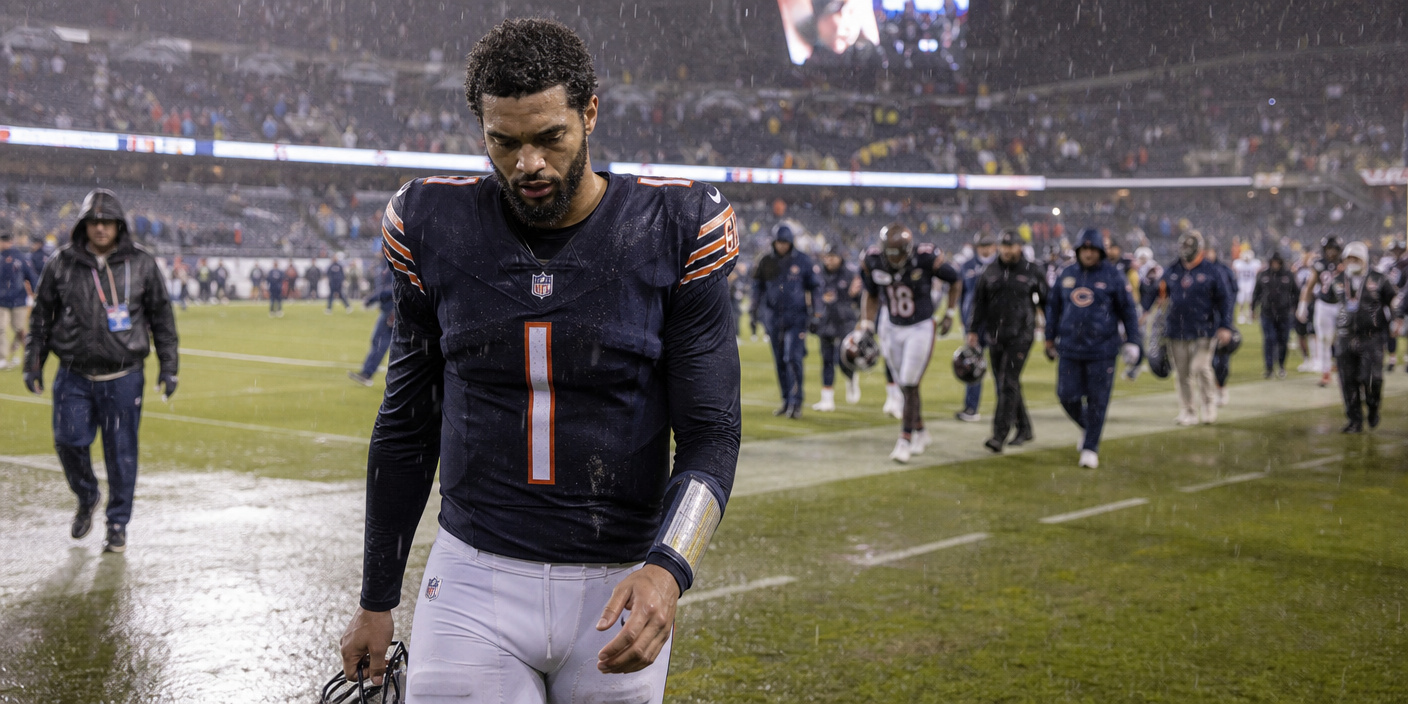
The Chicago Bears’ highly anticipated home opener at Soldier Field dissolved into a cold, rain-drenched struggle on Sunday, culminating in a 9-3 defeat to the Minnesota Vikings. While the defensive performance showed flashes of grit, the game was ultimately defined by a stagnant offense and the alarming sight of star quarterback Caleb Williams being sidelined in the fourth quarter with a hamstring injury. For a franchise desperately attempting to signal the arrival of a new era, the loss serves as a sobering reminder of the volatility inherent in building a contender from the ground up.
The Anatomy of a Defensive Stalemate
From the opening kickoff, the conditions at Soldier Field were suboptimal, with a steady downpour turning the turf into a treacherous surface. This atmospheric challenge played directly into the hands of the Minnesota Vikings’ defense, which played an aggressive, disciplined game. The Bears’ offensive line struggled to establish a rhythm, frequently finding themselves behind the sticks due to negative plays and penalties. The 9-3 scoreline is a testament to the fact that neither team could effectively move the ball through the air or on the ground.
For the Bears, the primary issue was execution in the red zone and third-down conversion efficiency. The team failed to sustain drives, often stalling around midfield and forcing the special teams unit to punt repeatedly. The Vikings, by contrast, managed to capitalize on the few scoring opportunities that presented themselves, essentially turning the contest into a game of attrition. The Bears’ defense, despite being on the field for extended stretches, performed admirably, keeping the game within striking distance until the final minutes, but the lack of offensive support created a ceiling the team could not break through.
The Caleb Williams Factor: A Defining Injury
The most significant narrative of the day was not the score, but the physical status of the Bears’ marquee quarterback, Caleb Williams. Throughout the game, Williams showed glimpses of the playmaking ability that earned him the top-pick pedigree, attempting to extend plays despite the rain and the relentless pressure from the Minnesota pass rush. However, his mobility—a core component of his game—was noticeably impacted early on.


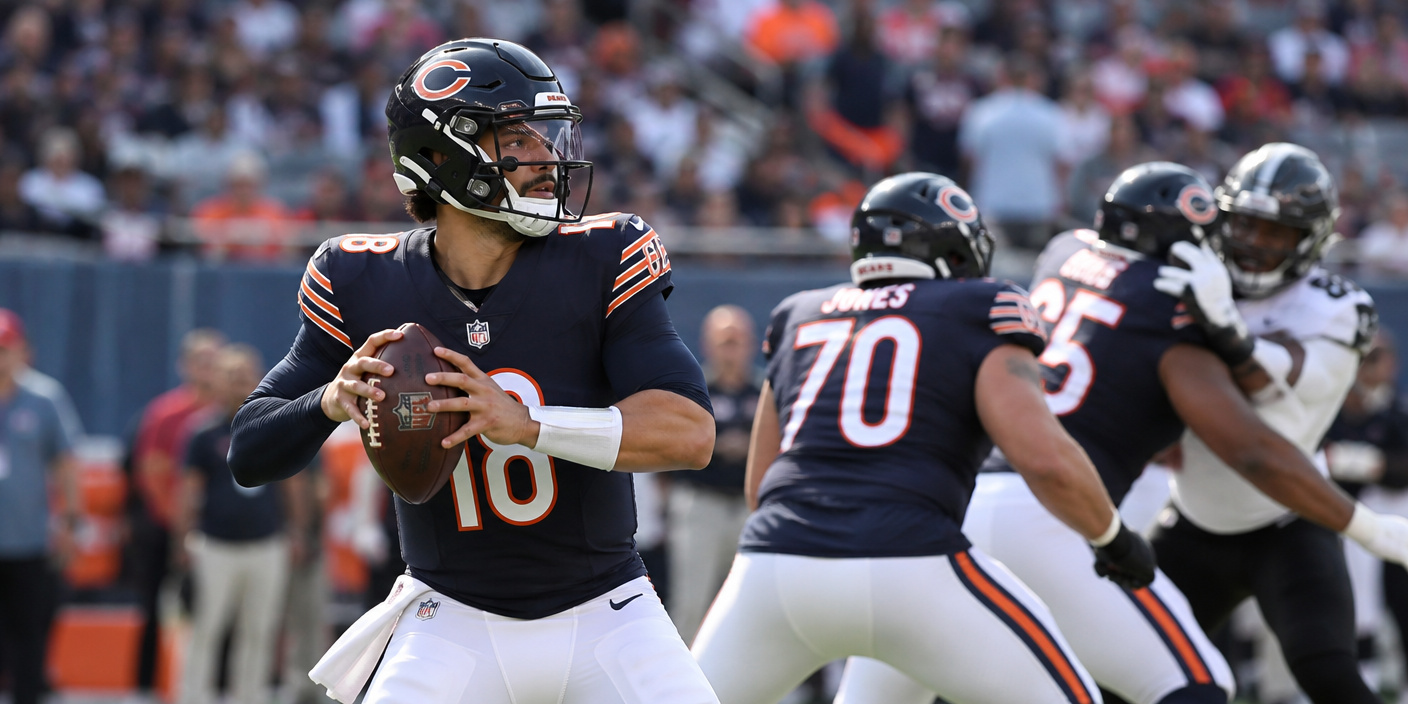
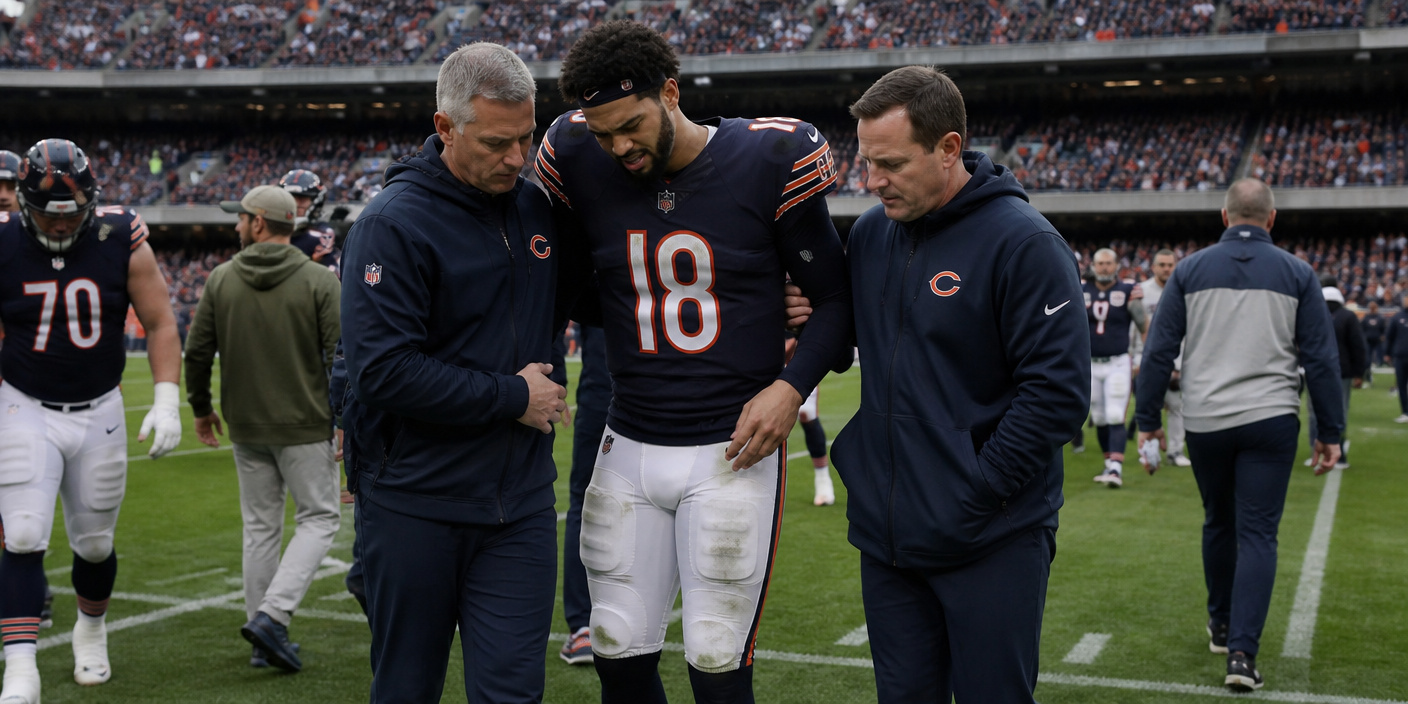
In the fourth quarter, after a hard landing on a scramble, Williams was seen favoring his leg before retreating to the sideline. Team trainers later confirmed the hamstring issue. While initial reports did not specify the severity of the strain, the injury casts a long shadow over the coming weeks. For a rookie quarterback, developmental reps are critical; losing time to an injury at this stage of the season is a setback that extends beyond the loss in the standings. It forces the team to reconsider its protection schemes and the tactical approach to how Williams is utilized in the run game, especially under adverse weather conditions.
The Psychology of a ‘New Era’
Despite the scoreboard, a segment of the fan base remains steadfast in the belief that this Chicago Bears squad possesses the foundational pieces of a ‘New Era.’ The optimism stems from the improved defensive personnel and the organizational shift in coaching philosophy compared to previous iterations of the team. Fans understand that the road to relevancy is rarely linear, particularly when integrating a high-profile rookie quarterback into a new system.
However, this optimism is being tested. Historically, the Bears have struggled with long-term offensive consistency, and Sunday’s performance provided echoes of those past frustrations. The challenge for head coach Matt Eberflus and his staff is to manage the emotional energy of a fan base that is hungry for success. If the offense cannot generate points, the ‘new era’ narrative risks being replaced by the familiar tropes of dysfunction and rebuilding that have plagued the franchise for nearly a decade.
Tactical Implications and Future Projections
Looking forward, the team faces a precarious path. With Williams nursing a hamstring injury, the coaching staff will likely have to install a more conservative game plan to protect their investment. This could mean a heavier reliance on the ground game and shorter, higher-percentage passing routes to mitigate the risk of injury and turnovers.
Furthermore, the team’s ability to bounce back will rely heavily on the leadership within the locker room. Veterans must step up to ensure that a single loss—and a single injury—does not derail the collective morale. The NFC North is a competitive division, and a 0-1 start is far from fatal, but the margin for error has now shrunk considerably. The Bears must find a way to balance their aggressive defensive aspirations with a disciplined, high-IQ offensive approach that protects their quarterback while still moving the chains.
The Secondary Angles: Beyond the Stats
Beyond the raw statistics, there are three secondary angles that this game highlights regarding the Bears’ current trajectory:
1. The ‘Rain Game’ Vulnerability: The team’s inability to adapt to the inclement weather suggests a lack of ‘weather-proof’ offensive preparation, a concerning trait for a team that plays its home games at an outdoor, cold-weather stadium in late fall and winter.
2. The Offensive Line Depth: The pressure Williams faced throughout the game raises questions about the depth and cohesion of the offensive line. If the line cannot protect the quarterback under standard conditions, the team will struggle to compete against the elite pass rushes in the division.
3. The Coaching Pressure: Every loss under the banner of a ‘New Era’ intensifies the spotlight on the coaching staff. The play-calling on third-down situations will be heavily scrutinized in the coming days as the team prepares for their next opponent, with analysts looking for clear signs of growth or stagnation.