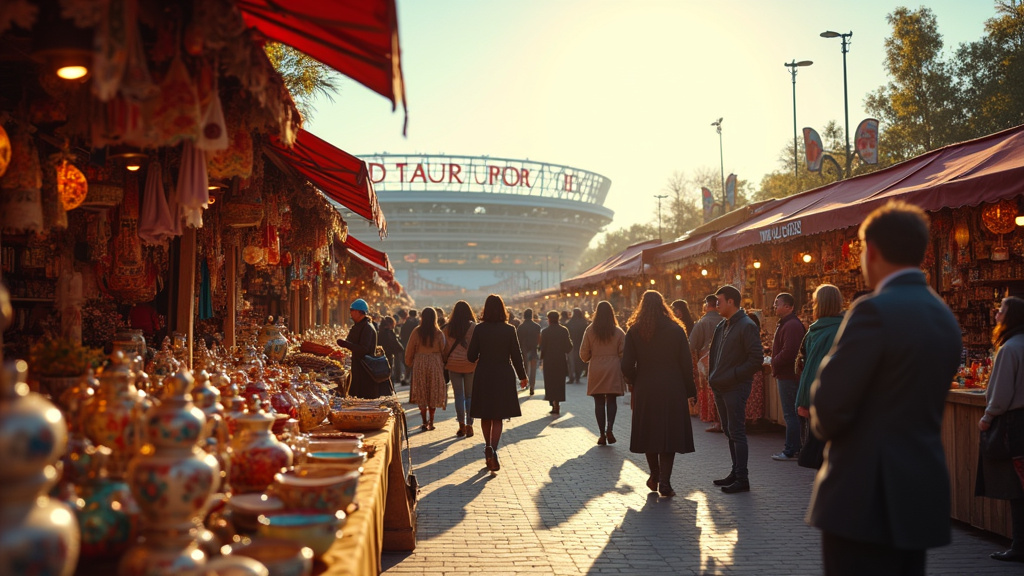
The heartbeat of the Windy City is set to pulse with renewed intensity as the Chicago House Music Festival & Conference officially announces its return. Scheduled for August 27–30, 2026, the event promises to transform Millennium Park into an open-air cathedral for one of the most influential genres in electronic music history. By anchoring the festivities in both the iconic Pritzker Pavilion and the historic Chicago Cultural Center, the city aims to bridge the gap between the genre’s gritty, underground origins and its current status as a global cultural phenomenon. As always, the four-day extravaganza remains entirely free to the public, underscoring Chicago’s commitment to accessibility and the preservation of its homegrown musical heritage.
Key Highlights
- Event Dates: August 27–30, 2026.
- Primary Locations: Performances will be held at Millennium Park; educational panels and workshops will take place at the Chicago Cultural Center.
- Admission Policy: The festival remains 100% free to the public, emphasizing inclusivity and community access.
- Curatorial Focus: The event blends high-energy live performances with technical, historical, and business-focused panel discussions.
The Architecture of Sound: Preserving the Chicago Legacy
To understand the magnitude of the 2026 Chicago House Music Festival, one must first appreciate the weight of the history it represents. Born in the late 1970s and early 1980s at clubs like The Warehouse—where the legendary Frankie Knuckles, the ‘Godfather of House,’ honed his craft—house music was never just about a catchy beat. It was a reaction to the fading disco era, utilizing primitive drum machines like the Roland TR-808 and TR-909 to create a repetitive, driving, and hypnotic sound that would eventually conquer global charts and influence virtually every genre of modern pop.
Millennium Park, with its Frank Gehry-designed Pritzker Pavilion, provides the perfect juxtaposition to this history. While the music began in dark, humid, and often ignored spaces of the urban landscape, the festival elevates these sounds to the most prestigious civic stages in the city. The 2026 iteration aims to showcase the evolution of this sound, moving from its raw, tape-loop origins to the highly polished, digitally produced tracks of today. This isn’t just a party; it is an active archive where young producers rub shoulders with the veterans who literally built the foundation of electronic dance music (EDM).
The Conference: Education as Empowerment
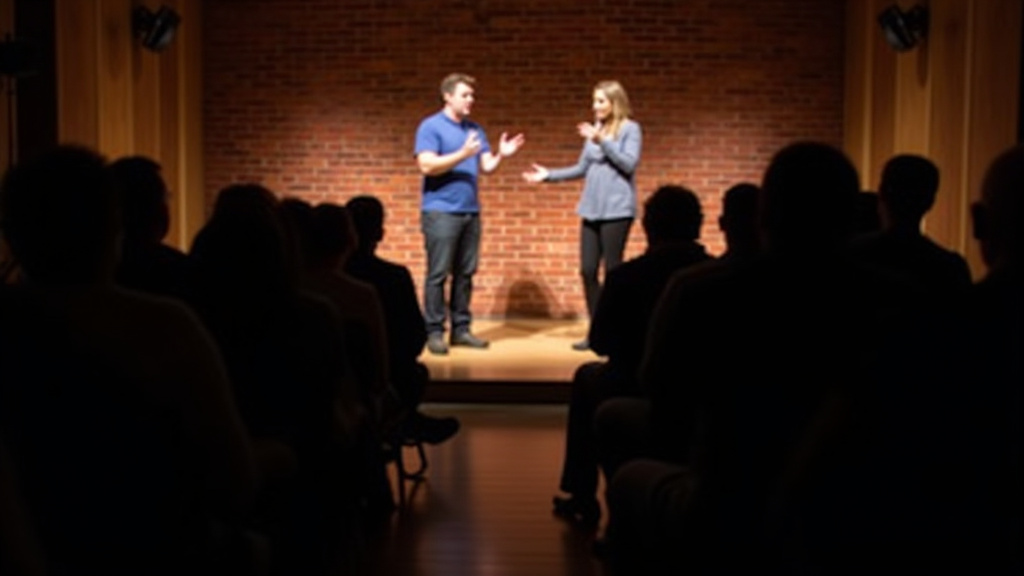
Perhaps the most distinctive element of this event is the inclusion of the ‘Conference’ portion, hosted at the Chicago Cultural Center. While many music festivals focus solely on the ‘spectacle’ of the stage, the Chicago model prioritizes the ‘science’ of the sound.


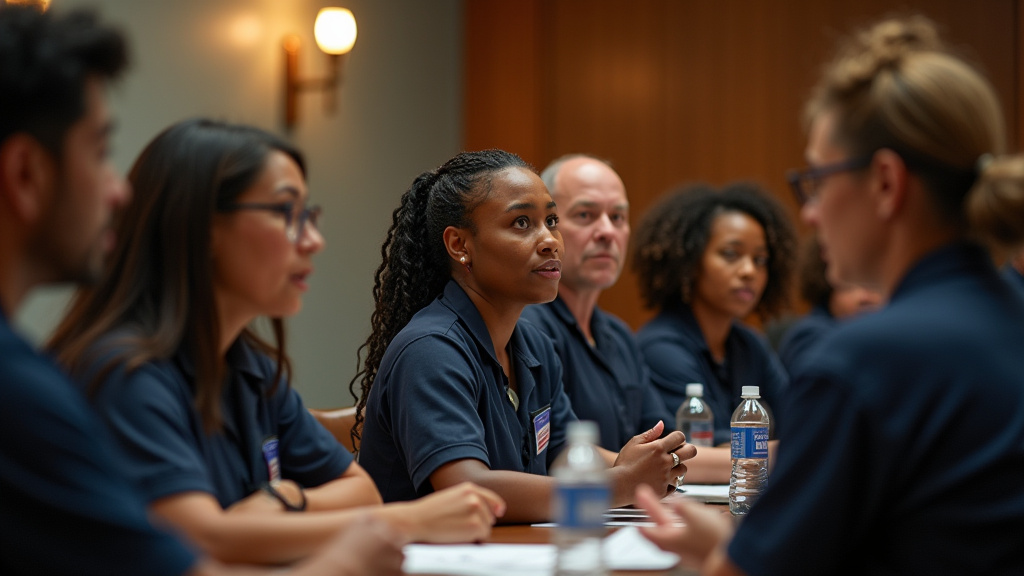
Attendees can expect deep-dive panel discussions that cover everything from music production and sampling copyright law to the sociopolitical history of the LGBTQ+ and Black communities that fostered the genre. These sessions are crucial. They democratize the knowledge often hoarded by labels and industry insiders. By opening the doors of the Chicago Cultural Center to the public, the festival ensures that the next generation of Chicago producers has the technical and business tools required to carry the torch forward. This is not just performance art; it is economic and intellectual development disguised as a summer celebration.
Economic and Social Impact
For a city like Chicago, which constantly battles the narrative of urban decline, the return of such a massive, free festival serves as a vital economic engine. The influx of international ‘house tourists’—enthusiasts who travel from as far as Tokyo, London, and Berlin specifically for this pilgrimage—is significant. These visitors populate downtown hotels, dining establishments, and secondary retail hubs, providing a tangible boost to the local economy during the late-summer shoulder season.
However, the social impact is arguably more profound. In an era where music festivals are increasingly privatized and locked behind high-ticket paywalls, Chicago’s commitment to a ‘free to the public’ model is a radical act of civic pride. It forces a collision of demographics that rarely mingle: the die-hard, older house-head who remembers the original Warehouse scene; the suburban youth curious about electronic production; and the international traveler. This mixing is the very definition of ‘house’ music, which has always been about radical inclusion. The festival provides a physical space where this ethos can be experienced in real-time, creating a sense of belonging that resonates long after the music fades on August 30th.
Future-Proofing the Genre
Looking toward the 2026 event, organizers are focused on the integration of new technologies. We are seeing a shift where AI-assisted production and VR concert experiences are beginning to bleed into the festival circuit. The Chicago House Music Festival is uniquely positioned to handle this. By utilizing the Chicago Cultural Center to discuss the ethics of AI in music, the festival remains at the vanguard of the industry. It isn’t just looking back at the TR-909; it is looking forward to the next thirty years of technological innovation in audio. This forward-looking approach ensures that the festival remains an essential stop on the global music calendar, rather than just a nostalgia act.
FAQ: People Also Ask
1. Is registration required for the panels at the Chicago Cultural Center?
While the events are free, specific workshops or panel discussions may have capacity limits. Organizers typically recommend arriving early or checking the official city portal closer to the event date for any potential ticket reservation systems for high-demand sessions.
2. What can I expect from the Millennium Park performances?
Expect a mix of local legendary DJs, emerging talent from the Chicago scene, and international acts who have been influenced by the ‘Chicago Sound.’ The atmosphere at the Pritzker Pavilion is designed to accommodate thousands, providing both seated and lawn-based viewing options.
3. How does this differ from other dance music festivals?
Unlike private, profit-driven festivals, the Chicago House Music Festival & Conference is publicly funded and managed. The focus is on the history, culture, and educational aspects of the genre, rather than purely commercial headliners, making it a more ‘purist’ experience for fans.
4. Is the festival suitable for all ages?
Yes. Millennium Park events are traditionally family-friendly. The festival creates an environment where people of all ages can enjoy the music and the educational atmosphere, though the evening sets at the Pavilion often feature more high-energy, late-night club-style vibes.