The Chicago Gospel Music Festival has officially returned to the heart of the city, transforming the Jay Pritzker Pavilion at Millennium Park into a sprawling stage for one of the most significant celebrations of faith-based music in the nation. As the oldest gospel music festival in the world, this event serves as a vibrant testament to Chicago’s enduring influence on the genre, drawing thousands of attendees for two days of soul-stirring performances that bridge the gap between traditional heritage and contemporary innovation.
Key Highlights
- Venue: The event is hosted at the world-renowned Jay Pritzker Pavilion in Millennium Park.
- Duration: A two-day immersive experience featuring a diverse lineup of local and national artists.
- Significance: The festival honors the deep-rooted history of gospel music in Chicago, often cited as the genre’s birthplace.
- Access: The event remains free to the public, underscoring its commitment to community accessibility and cultural engagement.
The Spiritual Heartbeat of Chicago
The return of the Chicago Gospel Music Festival is more than a concert series; it is a cultural reclamation of the city’s identity. When attendees gather beneath the sweeping stainless-steel ribbons of the Jay Pritzker Pavilion, they are participating in a tradition that predates modern music festivals by decades. Chicago is widely recognized as the birthplace of modern gospel, largely thanks to the work of Thomas A. Dorsey, known as the “Father of Gospel Music,” who combined blues and jazz rhythms with spiritual lyrics in the early 20th century.
Today, the festival, organized by the Department of Cultural Affairs and Special Events (DCASE), continues to honor this lineage while providing a platform for rising stars. By bringing these sounds to Millennium Park, DCASE effectively democratizes high-quality art, ensuring that residents from every corner of the city can witness world-class musicianship without the barrier of ticket costs. This year’s programming carefully balances the preservation of historical techniques—such as traditional choir arrangements and soul-deep vocal stylings—with contemporary influences that incorporate elements of R&B, hip-hop, and neo-soul.
The Architecture of Sound
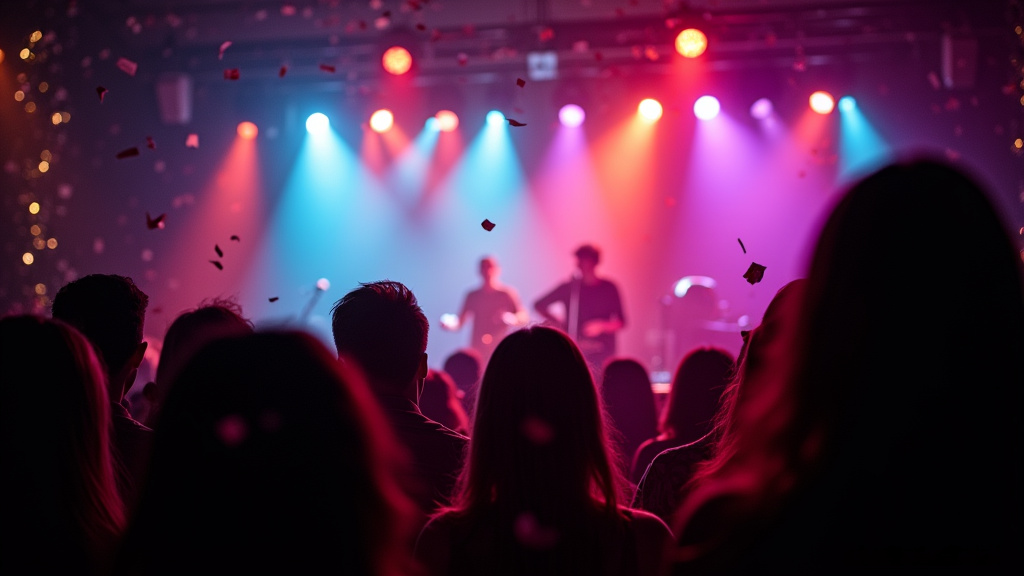
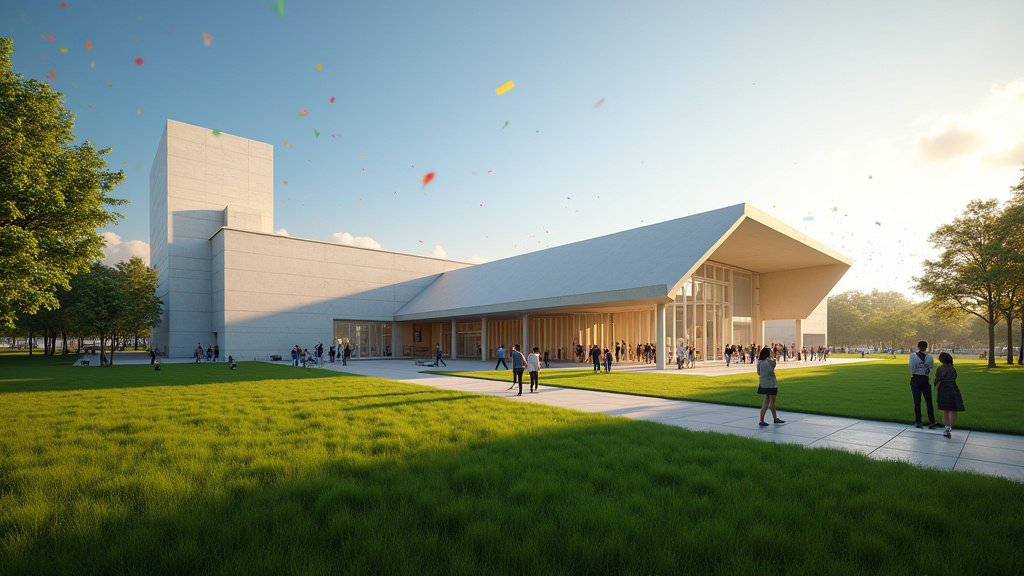
The Jay Pritzker Pavilion itself plays a critical role in the festival’s success. Designed by Frank Gehry, the venue’s acoustic capabilities allow for a soundscape that is both expansive and intimate. For gospel music, which relies heavily on the texture of vocal harmonies and the resonance of the Hammond organ, this environment is unparalleled. The technical team at DCASE utilizes the pavilion’s state-of-the-art sound reinforcement system to ensure that the nuanced performances—ranging from whispered prayers to soaring, anthemic climaxes—are delivered with absolute clarity to the lawn and the seating areas alike.
Economic and Community Impact
Beyond the artistic merits, the festival serves as a vital economic engine for the downtown area. Thousands of visitors descend upon Millennium Park, filling nearby restaurants, utilizing public transit, and patronizing local businesses. However, the true impact is social. In an era where digital consumption dominates, the festival offers a necessary space for physical congregation. It is a unifying event that brings together diverse demographics under a singular, harmonious purpose. The communal singing and the shared experience of the music foster a sense of civic pride that is rarely replicated by other municipal events.
A Future-Facing Legacy
As the festival evolves, there is a clear strategic shift toward sustainability and youth engagement. By spotlighting younger artists who are experimenting with gospel fusion, the festival ensures that the genre remains relevant to younger generations. This approach preserves the core values of the music—faith, hope, and community—while allowing the form to shift and adapt. The integration of technology in the festival’s production also reflects this, with high-definition live streaming components allowing those who cannot be in Millennium Park to participate in the experience globally. This hybrid approach has solidified the festival’s status as a leader in cultural programming, setting a benchmark for cities across the globe.
FAQ: People Also Ask
Q: Is there an admission fee for the Chicago Gospel Music Festival?
A: No, the Chicago Gospel Music Festival is free to the public. It is produced by the Department of Cultural Affairs and Special Events (DCASE) and encourages all attendees to enjoy the performances without the need for tickets.
Q: Where exactly is the festival held within the park?
A: The festival is held at the Jay Pritzker Pavilion, located within Millennium Park in downtown Chicago. The venue features both fixed seating and a massive lawn area for attendees.
Q: What is the historical significance of Chicago in the gospel music genre?
A: Chicago is considered the birthplace of modern gospel music. During the Great Migration, musicians like Thomas A. Dorsey settled in Chicago and synthesized spirituals with blues and jazz, creating a new, upbeat sound that revolutionized religious music worldwide.
Q: Are there amenities available for attendees at the festival?
A: Yes, being in Millennium Park, attendees have access to various concessions and facilities. However, it is always recommended to check the official DCASE website for specific policies regarding outside food, chairs, and prohibited items prior to arrival.