Skip to content
The Chicago Today
Quantum Aerospace
  • Home
  • Current News
  • Explore & Enjoy
  • Sports
  • Sound & Screen
  • Sip & Savor
  • Style & Innovation
  • Editors Take
Trending
August 12, 2026South Shore Line Struggles Under Heavy Service Disruptions August 12, 2026Canada-U.S. Trade: The Urgent Race Against 50% Tariffs August 11, 2026Chicago Storms: 3 Tornadoes Confirmed as Cleanup Begins August 11, 2026Cubs Eye Playoff Push: Series Opener vs. Nationals (Aug 11) August 10, 2026Chicago’s La Licor Fest Set to Bridge Global Cocktail Cultures August 10, 2026RTX and CET Unveil HADALUS: A New Era for Low-Cost UUVs August 10, 2026Chicago Summer 2026: Why Iconic Dining Spots Are Shuttering August 10, 2026Charlie Worsham Tapped For Grand Ole Opry Membership August 10, 2026Cyclospora Alert: Chicago Residents Urged to Monitor Health August 10, 2026Bally’s Halts Chicago Casino Hotel Plans Over Gambling Dispute
The Chicago Today
The Chicago Today
  • Home
  • Current News
  • Explore & Enjoy
  • Sports
  • Sound & Screen
  • Sip & Savor
  • Style & Innovation
  • Editors Take
  • Blog
  • Forums
  • Shop
  • Contact
The Chicago Today
  Current News  Trump Links Saudi Nuclear Deal to Israel Normalization
Current News

Trump Links Saudi Nuclear Deal to Israel Normalization

Arjun PatelArjun Patel—July 24, 20260
FacebookX TwitterPinterestLinkedInTumblrRedditVKWhatsAppEmail

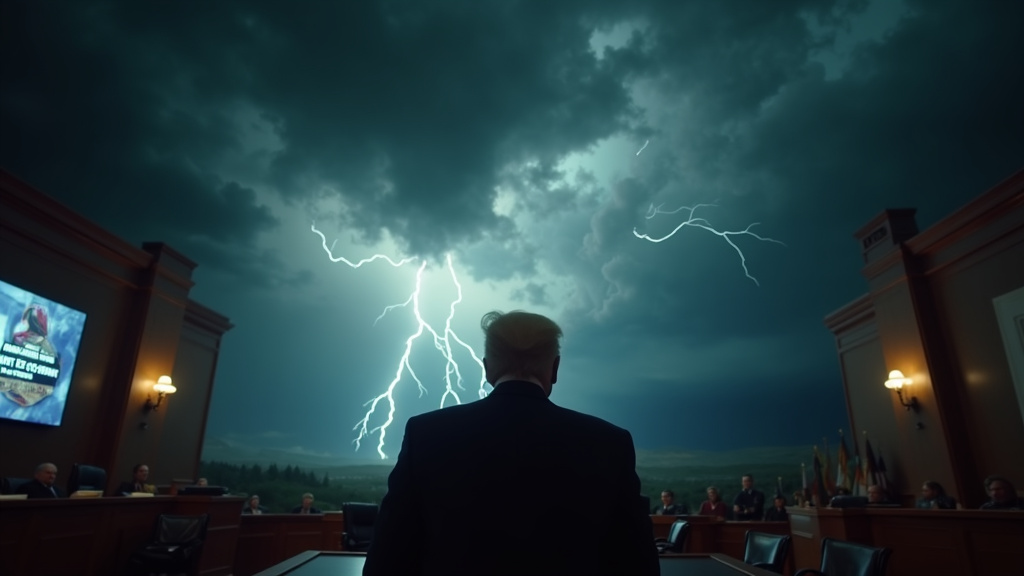
In a decisive shift in Middle Eastern diplomatic strategy, President Donald Trump has issued a last-minute ultimatum regarding the U.S.-Saudi civilian nuclear agreement. The directive, which effectively stalls a deal finalized only 24 hours earlier by U.S. Energy Secretary Chris Wright, creates a new, stringent prerequisite for the transfer of sensitive U.S. nuclear technology: the Kingdom of Saudi Arabia must officially normalize diplomatic relations with Israel. This development represents a significant pivot in U.S. foreign policy, signaling that the administration intends to leverage the Kingdom’s energy ambitions to catalyze broader regional integration between Arab nations and the Israeli state.

Key Highlights

  • Sudden Reversal: The condition follows a deal signed just one day prior by U.S. Energy Secretary Chris Wright, effectively freezing the implementation of the accord.
  • Normalization Mandate: Saudi Arabia is now required to formalize ties with Israel as a non-negotiable condition for accessing advanced U.S. civilian nuclear technology.
  • Strategic Leverage: The move positions U.S. nuclear capability as a geopolitical bargaining chip, elevating normalization to a top-tier administrative priority.
  • Regional Instability: This policy shift introduces significant uncertainty into Middle Eastern energy markets and long-term diplomatic alignments.

The Strategic Pivot: Normalization as the New Barrier

The abrupt shift in the trajectory of the U.S.-Saudi nuclear deal underscores a return to a high-leverage diplomatic style. By conditioning the provision of civilian nuclear technology on the normalization of relations with Israel, the administration is effectively tethering the Kingdom’s technological aspirations to the broader framework of the Abraham Accords and regional stability.

The 24-Hour Reversal and Secretary Wright’s Role

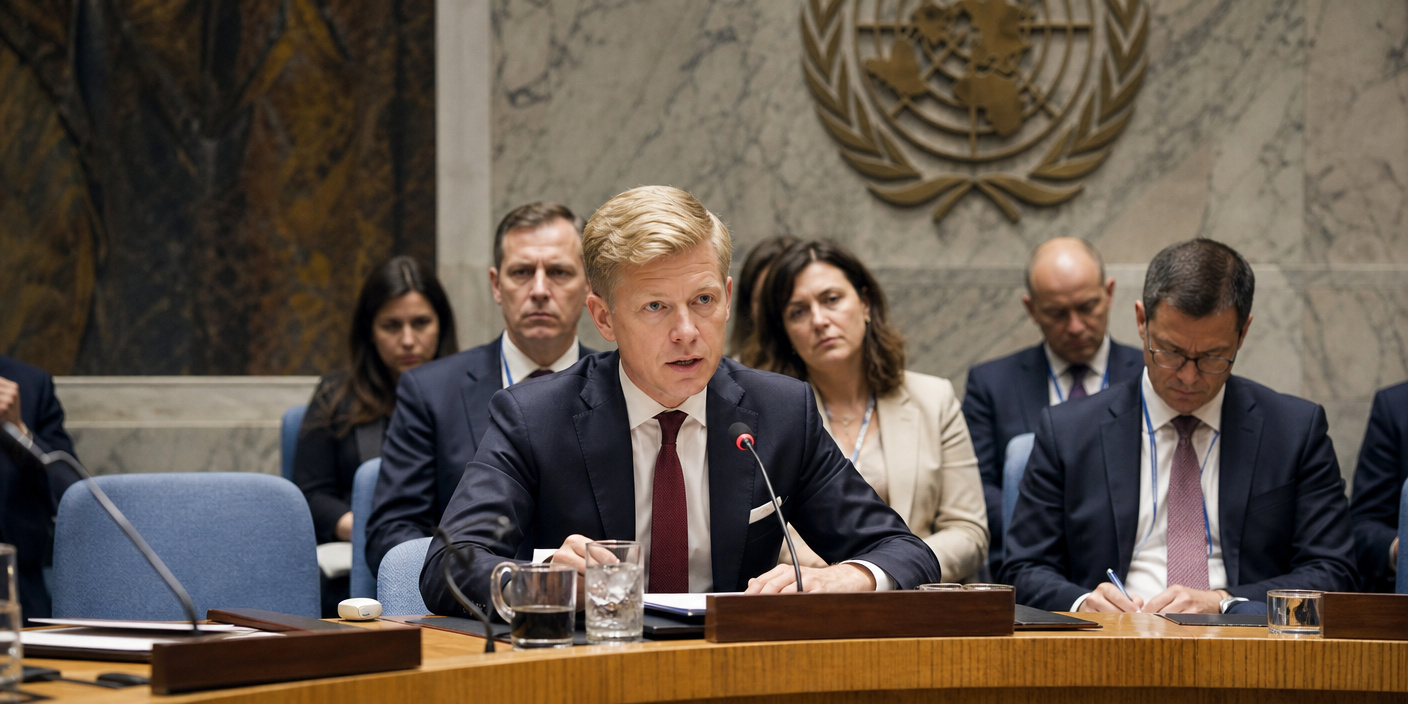
Just 24 hours prior to President Trump’s announcement, U.S. Energy Secretary Chris Wright had formalized the initial accord. The agreement was viewed by energy analysts and diplomatic observers as a critical step toward diversifying Saudi Arabia’s energy grid, which is currently heavily reliant on hydrocarbons. The sudden introduction of the normalization condition—a requirement that has been discussed in academic and policy circles but not formally applied to nuclear transfers of this nature—has caught regional stakeholders off guard. The speed of the reversal highlights the centralized control the administration is exercising over energy and foreign policy, prioritizing geopolitical outcomes over the steady continuation of commercial agreements initiated by cabinet members.

Geopolitical Calculus: Why Nuclear Technology?
More stories
Legal Reforms

Essential Legal Reforms: Shaping Justice and Society for the Future

July 26, 2024

US H-1B Visa Policy Overhaul: $100,000 Fee for New Applicants Sparks Alarm Among Indian Tech Workers and Students

September 22, 2025
Houthi Attack Sinks Cargo Ship in Red Sea: Six Rescued, 15 19 Crew Missing After Deadly Assault

Houthi Attack Sinks Cargo Ship in Red Sea: Six Rescued, 15-19 Crew Missing After Deadly Assault

July 10, 2025

Global Markets Brace for Impact as Jio IPO Draft Begins, India-Russia Ties Deepen, and Fed Rate Cut Looms

December 5, 2025

Nuclear energy is a highly sought-after commodity in the Middle East. For Saudi Arabia, the goal is to reduce domestic consumption of oil and gas, thereby increasing export capacity and solidifying their long-term economic transition strategies. However, the U.S. has historically been cautious about technology transfer due to non-proliferation concerns. By demanding normalization with Israel, the administration is essentially using the promise of a modernized, emission-efficient energy infrastructure as leverage. The strategy implies that if Saudi Arabia desires to secure its energy future through U.S.-backed nuclear capabilities, it must be willing to make concessions that were previously considered “third rail” issues in Riyadh’s diplomatic playbook.

Implications for the Abraham Accords

The normalization condition is a direct signal to the rest of the Gulf Cooperation Council (GCC) and the broader Arab world. If the U.S. successfully forces this link, it could create a powerful precedent: that future security and high-tech cooperation with Washington will be contingent upon full integration into a regional security architecture that includes Israel. Critics of the policy warn that this could lead to a stalemate, as Saudi Arabia faces immense internal and external pressure to maintain a traditional stance regarding the Palestinian question and broader regional sovereignty.

Economic and Industrial Impact

The uncertainty introduced by this directive creates a difficult environment for energy companies and nuclear engineering firms involved in the initial deal. These entities operate on long-term timeframes, often spanning decades. Sudden regulatory and diplomatic volatility makes the financial modeling for such massive projects precarious. If the deal collapses, it leaves a power vacuum that other global competitors, such as China or Russia, may be eager to fill with their own nuclear technology packages, potentially diminishing U.S. influence in the region’s energy sector long-term.

FAQ: People Also Ask

Why is the U.S.-Saudi nuclear deal significant?

The deal involves transferring civilian nuclear technology to Saudi Arabia to help it diversify its energy mix, moving away from a total dependence on oil and gas. It is a massive industrial project with profound economic implications.

What does ‘normalizing relations with Israel’ mean in this context?

It refers to the formal establishment of full diplomatic, economic, and security ties between Saudi Arabia and Israel, similar to the agreements reached under the Abraham Accords with nations like the UAE and Bahrain.

Is this condition a common practice in nuclear exports?

While the U.S. always includes stringent non-proliferation “Gold Standard” clauses in nuclear deals, conditioning the deal on a third-party country’s diplomatic status is an aggressive use of geopolitical leverage that marks a departure from standard commercial energy agreements.

What happens if Saudi Arabia refuses the condition?

If Saudi Arabia declines to normalize relations, the U.S. will likely withhold the nuclear technology transfer. This leaves the Kingdom to potentially seek nuclear expertise from other international vendors, which could impact U.S. foreign policy influence in the Middle East.


Related coverage

  • Canada-U.S. Trade: The Urgent Race Against 50% Tariffs
  • AOC’s Egg Freezing: Normalizing the Future of Reproductive Choice
  • IRS Unveils Major Digital Overhaul for Business Taxes
FacebookX TwitterPinterestLinkedInTumblrRedditVKWhatsAppEmail

Arjun Patel

Arjun Patel is a writer who explores where cutting-edge technology meets the cultural pulse. From emerging startups changing the face of urban life to the social implications of online communities, his work connects dots that others might miss. Arjun’s reporting has appeared in various digital publications, making complex tech landscapes feel both accessible and human. When he steps away from the keyboard, he’s seeking out local art scenes, discovering indie film festivals, or debating the future of social media over a strong cup of coffee. In a world overwhelmed by headlines, Arjun’s storytelling offers depth, context, and a reminder that tech isn’t just about gadgets—it’s about the people using them.

Y2K Revival: ASI Show Chicago 2026 Apparel Trends Unveiled
Chicago Gospel Music Festival Returns to Millennium Park
Related posts
  • Related posts
  • More from author
Current News

Canada-U.S. Trade: The Urgent Race Against 50% Tariffs

August 12, 20260
Current News

AOC’s Egg Freezing: Normalizing the Future of Reproductive Choice

August 10, 20260
Current News

IRS Unveils Major Digital Overhaul for Business Taxes

August 6, 20260
Load more
Read also
Headlines

South Shore Line Struggles Under Heavy Service Disruptions

August 12, 20260
Current News

Canada-U.S. Trade: The Urgent Race Against 50% Tariffs

August 12, 20260
Featured

Chicago Storms: 3 Tornadoes Confirmed as Cleanup Begins

August 11, 20260
Sports

Cubs Eye Playoff Push: Series Opener vs. Nationals (Aug 11)

August 11, 20260
Sip & Savor

Chicago’s La Licor Fest Set to Bridge Global Cocktail Cultures

August 10, 20260
Style & Innovation

RTX and CET Unveil HADALUS: A New Era for Low-Cost UUVs

August 10, 20260
Load more
Recent Posts
  • South Shore Line Struggles Under Heavy Service Disruptions August 12, 2026
  • Canada-U.S. Trade: The Urgent Race Against 50% Tariffs August 12, 2026
  • Chicago Storms: 3 Tornadoes Confirmed as Cleanup Begins August 11, 2026
  • Cubs Eye Playoff Push: Series Opener vs. Nationals (Aug 11) August 11, 2026
  • Chicago’s La Licor Fest Set to Bridge Global Cocktail Cultures August 10, 2026

    # TRENDING

    chicago20252026aiFashionStreamingreviewaccountabilityinnovationfundingfestivalmusicnetflixalbumculinaryactionacquisitionnascarhululineup
    © 2024 All Rights Reserved by Chicago Today
    • Contact
    • Cookie Policy
    • Privacy Policy
    The Chicago Today
    Manage Consent
    To provide the best experiences, we use technologies like cookies to store and/or access device information. Consenting to these technologies will allow us to process data such as browsing behavior or unique IDs on this site. Not consenting or withdrawing consent, may adversely affect certain features and functions.
    Functional Always active
    The technical storage or access is strictly necessary for the legitimate purpose of enabling the use of a specific service explicitly requested by the subscriber or user, or for the sole purpose of carrying out the transmission of a communication over an electronic communications network.
    Preferences
    The technical storage or access is necessary for the legitimate purpose of storing preferences that are not requested by the subscriber or user.
    Statistics
    The technical storage or access that is used exclusively for statistical purposes. The technical storage or access that is used exclusively for anonymous statistical purposes. Without a subpoena, voluntary compliance on the part of your Internet Service Provider, or additional records from a third party, information stored or retrieved for this purpose alone cannot usually be used to identify you.
    Marketing
    The technical storage or access is required to create user profiles to send advertising, or to track the user on a website or across several websites for similar marketing purposes.
    • Manage options
    • Manage services
    • Manage {vendor_count} vendors
    • Read more about these purposes
    View preferences
    • {title}
    • {title}
    • {title}