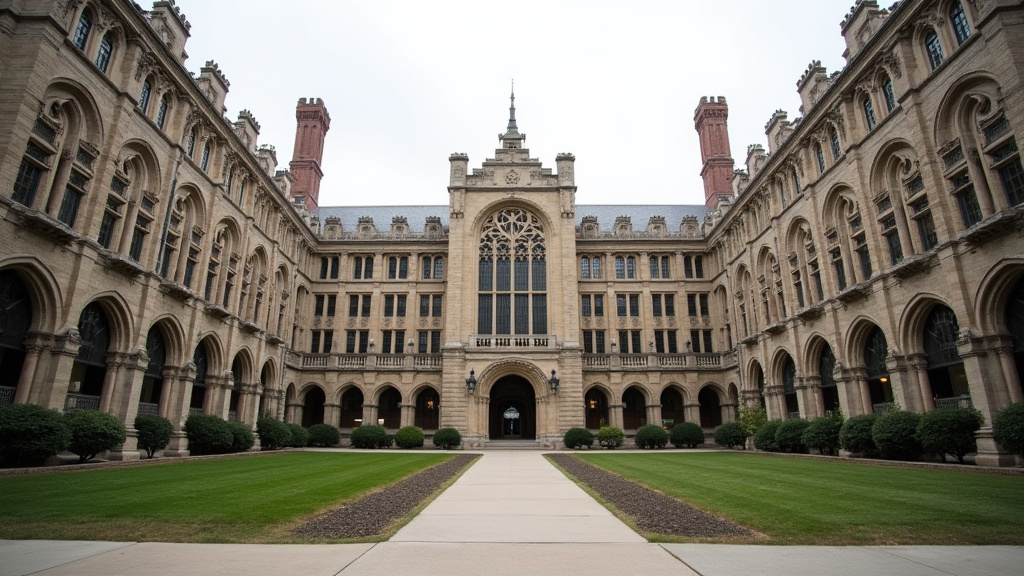
As the curtain closes on August, the cultural landscape of Chicago has shifted toward a profound moment of reflection. The historic Greektown neighborhood has officially unveiled “We the People: Life, Liberty and the Pursuit of Beauty,” a public art exhibit designed not merely as a display of aesthetic prowess, but as a deliberate engagement with the 250th anniversary of the Declaration of Independence. This installation, situated along the storied corridors of the district, serves as a poignant bridge between the foundational ideals of 1776 and the evolving identity of 21st-century urban life.
The Intersection of History and Urban Space
The placement of this exhibit in Greektown is no accident. As a district that has long served as a testament to cultural resilience and community preservation, Greektown offers a distinct architectural and social backdrop for a commentary on the American experiment. By integrating large-scale art installations into the familiar cityscape of Halsted Street, the exhibit forces a collision between the mundane rhythm of daily city life and the high-minded rhetoric of the founding documents.
For residents and visitors alike, the installation provides a tactile, visual lexicon for understanding “Life, Liberty and the Pursuit of Beauty.” The curators have meticulously selected works that challenge the viewer to move beyond abstract concepts, grounding them instead in the physical reality of the neighborhood. This creates a unique dialogue: the permanence of the architecture surrounding the art contrasts with the transient, emotive nature of the public displays, effectively mirroring the ongoing, ever-changing nature of democracy itself.
Artistic Interpretations of the Declaration
The artistic focus of the exhibit is deeply rooted in contemporary interpretations of America’s founding ethos. Artists involved in the project have leaned into the tension between the original promises of the Declaration of Independence—written in a vastly different era—and the complex, pluralistic society of modern Chicago. Each piece acts as a node in a wider semantic web, connecting historical narratives with present-day conversations surrounding inclusion, justice, and the definition of “the people.”
By prioritizing visual storytelling over didactic lecturing, the exhibit succeeds in making history accessible. There is a concerted effort to avoid the traps of jingoism or static historical reenactment. Instead, the art serves as a provocation. It asks observers to define what “liberty” looks like in a post-industrial, globally connected city. The visual choices are bold, utilizing vibrant color palettes and modern geometric forms that suggest a democracy in motion, rather than one set in stone.
Economic and Community Footprint of Public Art
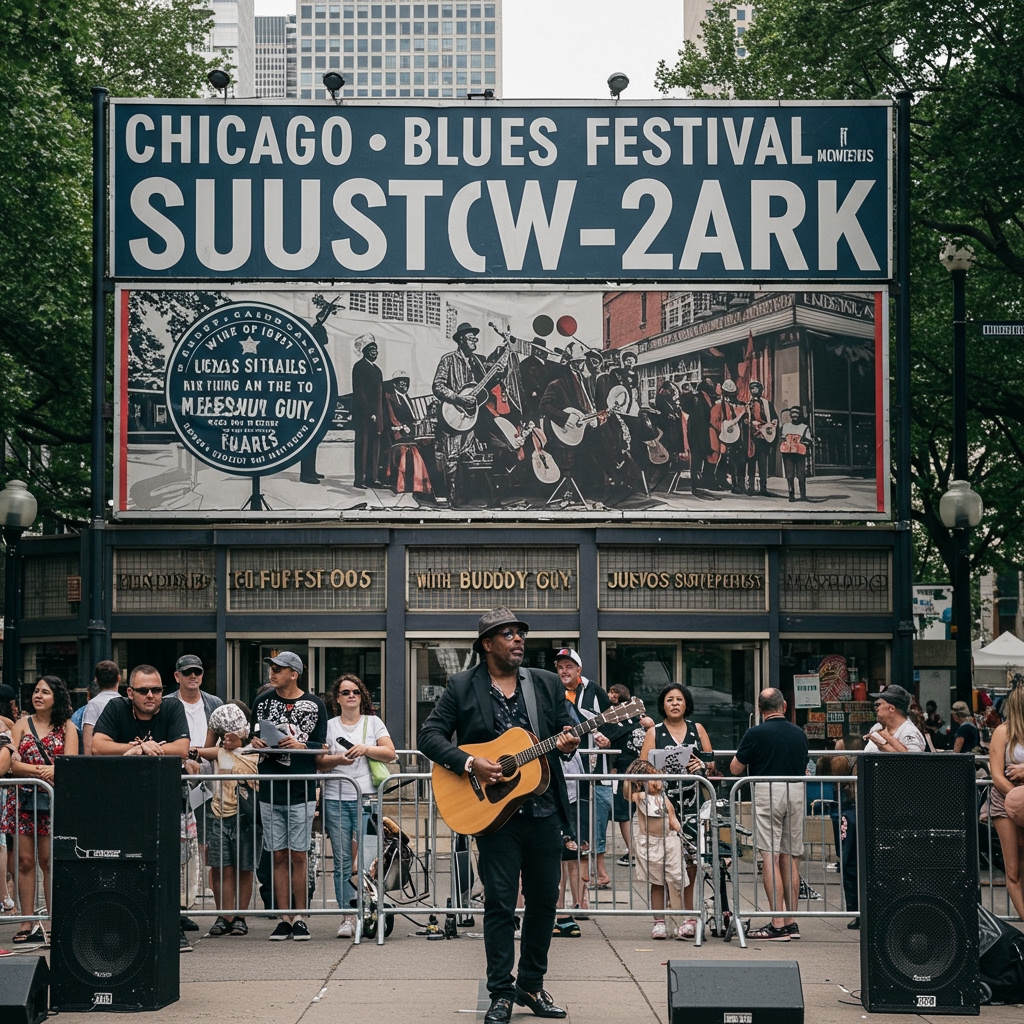

Beyond its cultural significance, the “We the People” project carries a distinct economic undercurrent. Public art exhibits are proven catalysts for urban revitalization, and in a district like Greektown—which relies heavily on foot traffic and hospitality—the installation acts as an anchor for local commerce. By transforming the streetscape into an active destination, the Greektown Chamber of Commerce is effectively leveraging cultural capital to boost the economic vitality of the corridor.
This strategy is reflective of a broader trend in metropolitan development: the transition from passive commercial spaces to active “cultural corridors.” As visitors traverse the exhibit, their movement through the neighborhood naturally filters into local establishments, creating a symbiotic relationship between the art and the local economy. It validates the theory that high-quality, thoughtful public art is not just a luxury, but a critical piece of urban infrastructure that incentivizes exploration and extends the duration of consumer dwell time.
Looking Toward 2026: The America 250 Milestone
Perhaps the most vital context for this exhibit is the looming America 250 milestone. As the nation approaches the semiquincentennial of the signing of the Declaration of Independence, major cultural institutions and neighborhood organizations are beginning to calibrate their programming to coincide with this national anniversary. “We the People” in Greektown acts as an early, localized signal of the themes that will likely dominate the national conversation over the next two years.
By starting early, the organizers are capturing the initial wave of institutional interest in the 250th anniversary, positioning Chicago as a leader in how municipalities can meaningfully commemorate national milestones without relying on generic, top-down celebrations. The exhibit suggests that the most impactful observances will be those that happen at the street level, deeply embedded in the neighborhoods where citizens live, work, and engage with one another daily.
In the final analysis, this exhibit represents more than just a seasonal rotation of public art. It is a calculated, artistic inquiry into the state of the union, executed on the ground in Chicago. It asks us to consider whether we are living up to the promises of the founding era, and it does so in the most democratic of ways: by making the conversation available to anyone walking down the street, free of charge and open to interpretation.
FAQ: People Also Ask
Q: What is the primary purpose of the ‘We the People’ exhibit in Greektown?
A: The exhibit serves to commemorate the upcoming 250th anniversary of the Declaration of Independence, using public art to encourage reflection on themes of democracy, liberty, and American identity within the urban context.
Q: How long will the installation be on display?
A: While specific end dates for art installations can vary, the exhibition is designed to coincide with the broader lead-up to the America 250 milestones, signaling a sustained cultural presence throughout the transition into the anniversary period.
Q: Who organized this public art exhibit?
A: The project was spearheaded by the Greektown Chamber of Commerce in collaboration with local visual artists and cultural stakeholders, aiming to revitalize the streetscape while providing meaningful community programming.
Q: Is the exhibit accessible to the public?
A: Yes, the exhibit is completely open to the public, situated along the public walkways and thoroughfares of the Greektown district in Chicago, making it accessible to residents and tourists at any time of day.