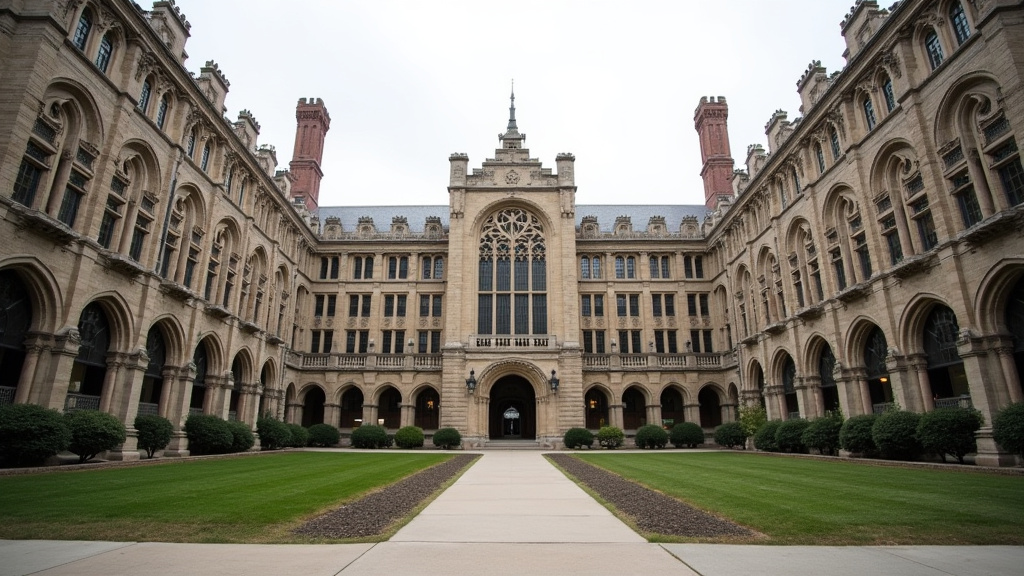
The atmosphere inside Chicago’s Union Station on October 15, 2026, was one of striking juxtaposition: the cold, limestone strength of the Beaux-Arts Great Hall meeting the warm, kinetic energy of modern sartorial innovation. The Chicago Fashion Showcase returned to this iconic venue, marking a definitive pivot from traditional trade-show logistics to a high-concept, creative-led experience. As thousands of industry insiders, local stakeholders, and design enthusiasts filtered through the terminal, it became immediately clear that this was not merely a clothing exhibition, but a statement on the resurgence of Chicago’s creative economy.
Key Highlights
- Iconic Venue Revival: The event utilized the Great Hall of Union Station, leveraging its soaring 115-foot vaulted ceilings to create a dramatic, atmospheric runway environment that contrasted industrial history with modern fashion.
- Creative-First Mandate: The 2026 showcase deprioritized commercial volume in favor of a “Design Legacy” theme, focusing on craftsmanship, sustainable textile sourcing, and local manufacturing techniques.
- Local Talent Spotlight: Over 40 Chicago-based designers were featured, with a specific emphasis on emerging “Midwestern Modern” aesthetics that prioritize both durability and high-concept style.
- Economic Catalyst: Local officials noted the event serves as a critical “creative anchor” for the city, aiming to increase annual fashion-related tax revenue in the district by an estimated 12% over the next fiscal cycle.
The Architecture of Style: Reimagining the Runway
The decision to host the 2026 Chicago Fashion Showcase within the cavernous halls of Union Station was a calculated curatorial choice. In an era where digital fashion shows have become commonplace, the physical return to one of Chicago’s most recognized historic landmarks served as a tangible reclamation of public space for the arts. The design team for the showcase transformed the Great Hall’s passenger concourse into a 200-foot runway, flanked by tiered seating that allowed for an intimate, theater-in-the-round viewing experience.
This architecture-first approach fundamentally changed the viewer’s relationship with the garments. By placing the clothing against the backdrop of limestone and ornate architectural details, the organizers created an environment where the designs were required to command attention in a massive, historic space. It was a successful experiment in scale, proving that local designers could compete with the “big four” fashion capitals by leveraging the unique cultural geography of the Midwest.
Redefining Midwestern Couture
A central theme of the October 15 event was the “Creative Focus,” a term used by organizers to describe a strategic departure from fast-fashion production models. Interviews with lead curators revealed a deliberate shift toward “Circular Fashion.” This involves not only the recycling of materials but a renewed commitment to “legacy design”—the creation of garments intended to last for decades rather than seasons.



Designers such as Elena Vance and the collective known as ‘Lakefront Atelier’ utilized heavy-gauge sustainable wools, salvaged industrial textiles from Midwest manufacturing plants, and organic dyes processed locally. This move toward a “rugged-luxury” aesthetic is gaining traction as a defining pillar of the city’s identity. The goal is to establish Chicago as a global center for sustainable luxury—a market that is expected to be worth $12 billion annually by 2028.
The Economic Ripple Effect
Beyond the aesthetics, the impact of the Showcase on the Chicago creative corridor cannot be overstated. According to preliminary data released by the Chicago Fashion Council, the event generated an estimated $4.5 million in direct economic impact for the surrounding West Loop neighborhood, spanning hospitality, retail, and local logistics.
This secondary angle—the economic viability of local fashion—has been a long-term goal for the organizers. By providing a platform at Union Station, the Showcase effectively connects emerging designers with established buyers from international luxury conglomerates. The integration of “tech-enabled labels” in several collections, where garments included scannable NFC tags detailing the entire supply chain from raw fiber to finished piece, suggests that Chicago is positioning itself at the forefront of retail transparency.
Looking Toward the Future: The Digital Integration
While the physical event remained the primary draw, the 2026 showcase integrated a hybrid model. Attendees were able to use augmented reality (AR) apps to view digital overlays of the garments, providing insights into the design process and environmental impact statistics. This digital layering over a historic, physical venue serves as a microcosm for the future of the industry: the marriage of time-tested craftsmanship with cutting-edge, data-driven utility.
As the final lights dimmed on the Union Station concourse, the consensus among attendees was clear: the Chicago Fashion Showcase has successfully graduated from a regional event to a serious contender on the international fashion calendar. By doubling down on its commitment to local heritage, sustainability, and architectural grandeur, Chicago has carved out a unique, defensible niche in the global market.
FAQ: People Also Ask
Q: Why was Union Station chosen as the venue for the 2026 Showcase?
A: Union Station represents the intersection of Chicago’s industrial history and its future. Organizers sought a “monumental” space to elevate the perception of Chicago fashion, ensuring the venue itself acted as a narrative partner to the designs.
Q: How does the “Creative Focus” differ from previous years?
A: Previous showcases were often trade-heavy, focused on bulk retail. The 2026 edition pivoted to a curated “Design Legacy” approach, prioritizing individual artistic vision, sustainable production, and the provenance of materials over mass-market scalability.
Q: What is the long-term outlook for Chicago’s fashion economy?
A: With a 12% projected growth in fashion-related tax revenue and increased interest from international buyers, the local industry is trending toward a “boutique-tech” hub, focusing on high-quality, sustainable production methods.
Q: Were the featured collections available for immediate purchase?
A: Unlike traditional fashion weeks, many of the 2026 collections were “made-to-order” or featured pre-sale access via the official event app, prioritizing a “slow-fashion” model to minimize waste.