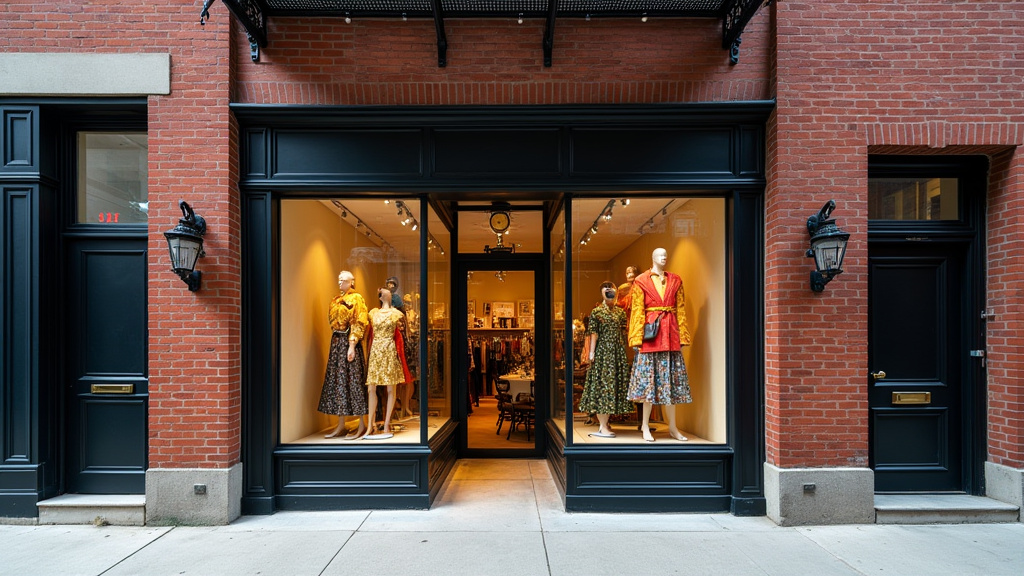
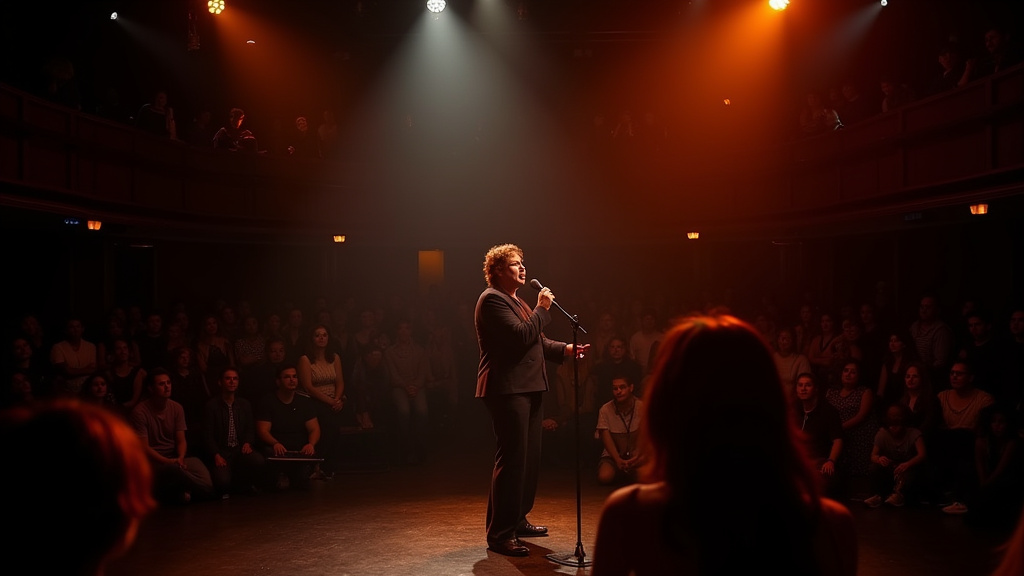
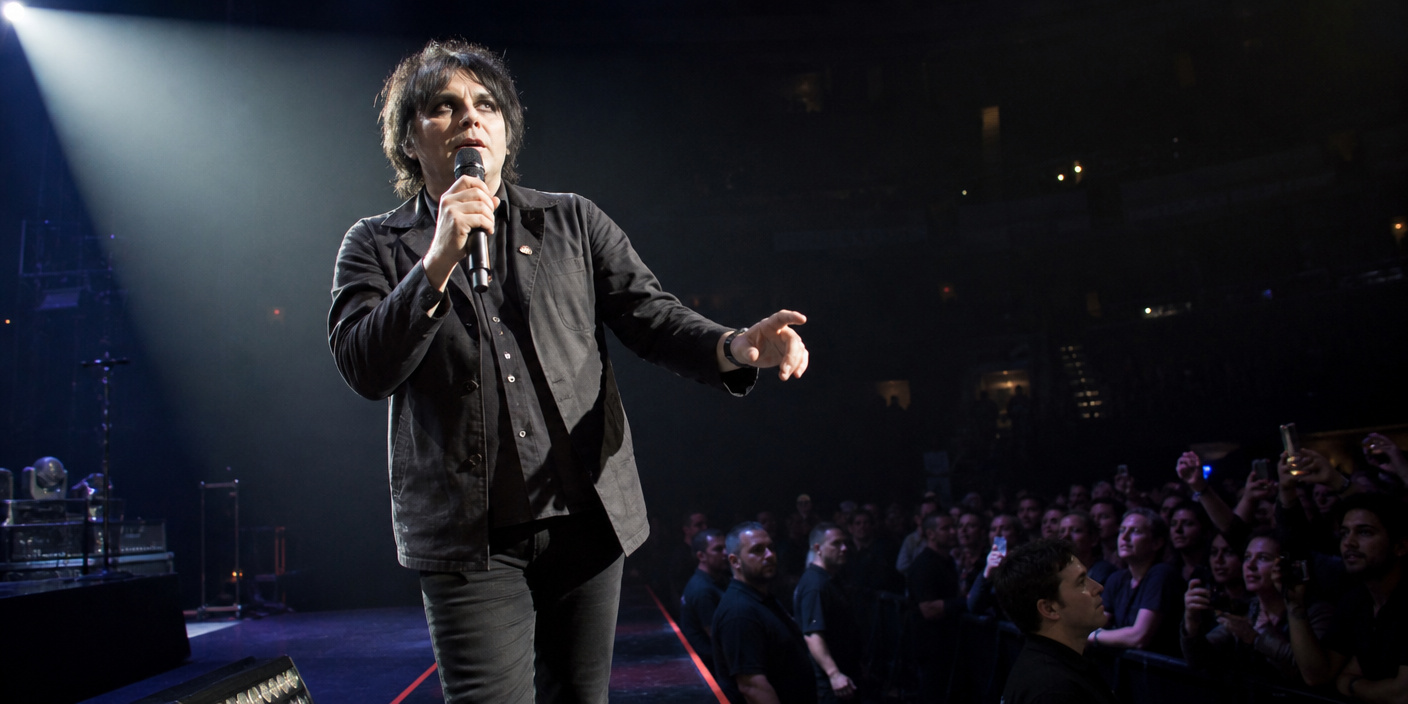
The Midwest is quietly undergoing a sartorial revolution, and the epicenter is located right in the heart of the Windy City. As global industries grapple with the environmental toll of fast-fashion waste, Sustainable Fashion Week Chicago (SFWC) has emerged as a beacon of progress. Today, organizers officially confirmed the programming for the upcoming SFWC, slated to run from September 20-30, 2026. This ten-day activation is not merely a runway showcase; it is a meticulously curated summit of ethical, environmental, and educational programming designed to fundamentally shift how the region perceives garment consumption and supply chain transparency.
Defining the ‘Third Coast’ Fashion Revolution
For decades, the American fashion narrative has been dominated by the traditional coasts. However, the rise of the ‘Third Coast’ fashion movement—anchored by Chicago’s rich history of manufacturing and design—has created the perfect petri dish for circular economy initiatives. SFWC represents the intersection of this industrial legacy and modern ecological stewardship.
This year’s programming is distinct in its ambition. Unlike traditional fashion weeks that prioritize seasonal trends and rapid obsolescence, SFWC 2026 is built on the pillars of longevity, repair, and ethical labor practices. The event organizers have focused on creating a space where designers, manufacturers, and consumers can engage in a dialogue about the lifecycle of clothing. By positioning Chicago as a hub for sustainable innovation, the week aims to prove that high-end aesthetics and environmental responsibility are not mutually exclusive—they are the new standard for the modern luxury market.
The Anatomy of the 2026 Programming: September 20-30
The schedule is packed with high-impact sessions, but the crown jewel remains the Sustainable Fashion Show & Social. Scheduled for September 26 at the historic Chicago Theatre Works, this event serves as the physical manifestation of the week’s ethos. The venue, known for its intimate yet versatile staging, will be transformed into a circular design showcase.
Throughout the ten-day stretch, attendees can expect:
- Panel Discussions: Industry experts, supply chain transparency activists, and local designers will debate the future of the circular economy in the Midwest.
- Educational Workshops: Hands-on sessions focused on garment upcycling, traditional repair techniques, and identifying ethical materials.
- Local Designer Showcases: A dedicated platform for emerging creators who utilize upcycled, biodegradable, or ethically sourced textiles.


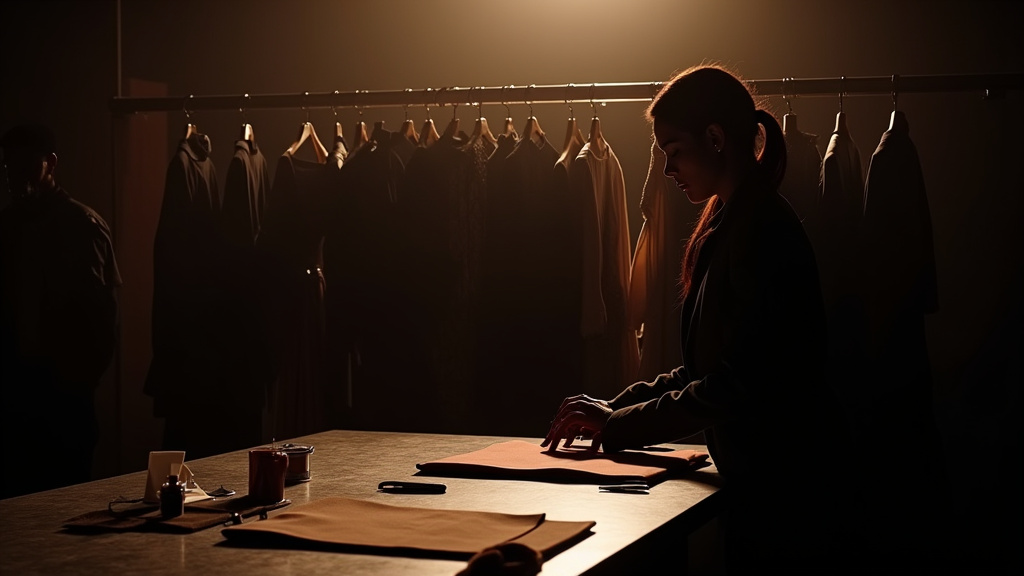

The decision to host the main social at Chicago Theatre Works on September 26 is strategic. By embedding the event in a recognized cultural space, SFWC successfully bridges the gap between high-concept environmental activism and community engagement. It removes the barrier to entry, inviting not just industry insiders, but the public, to participate in the conversation.
Beyond the Runway: The Economic Impact
The economic implications of SFWC are profound. As environmental regulations tighten globally, the businesses that prioritize sustainable supply chains are effectively future-proofing their operations. SFWC 2026 serves as an educational gateway for local businesses to transition from linear production models to circular ones.
When fashion is designed with its end-of-life in mind—whether through composting, recycling, or modular repair—it creates new service-based economies. Repairs, tailoring, and second-hand retail are no longer ancillary services; they are becoming the core of the business model. By providing a platform for this discourse, SFWC acts as an economic catalyst, encouraging Chicago’s local designers to adopt practices that reduce waste while increasing brand value through authentic transparency.
Addressing the Consumer Gap
One of the primary challenges for the sustainable fashion movement has been consumer education. Most shoppers struggle to distinguish between ‘greenwashing’ and genuine ethical production. SFWC addresses this by offering transparent, verifiable data alongside its creative programming. The event organizers have emphasized that the 2026 iteration will focus on ‘radical clarity’—giving attendees the tools to ask the right questions about the garments they buy. From the source of the fiber to the wages of the garment worker, the week aims to demystify the supply chain.
As we approach September 20, the anticipation within the local creative community is palpable. SFWC is no longer just a local event; it is a case study for how regional fashion hubs can lead the global transition toward a more responsible, durable, and equitable industry.
FAQ: People Also Ask
Q: What is the main goal of Sustainable Fashion Week Chicago?
A: The primary objective is to promote circular fashion, ethical labor, and environmental responsibility within the fashion industry, educating both consumers and producers about sustainable supply chains.
Q: Who should attend the SFWC programming?
A: The event is designed for a diverse audience, including professional designers, fashion students, sustainability advocates, and any consumer interested in learning how to make more ethical choices in their wardrobe.
Q: Where is the main event taking place?
A: The centerpiece of the week, the Sustainable Fashion Show & Social, is taking place on September 26 at Chicago Theatre Works.
Q: Is this event only for professionals?
A: No. While there are industry-focused segments, the event includes public-facing programming designed to make sustainability accessible and actionable for everyday consumers.