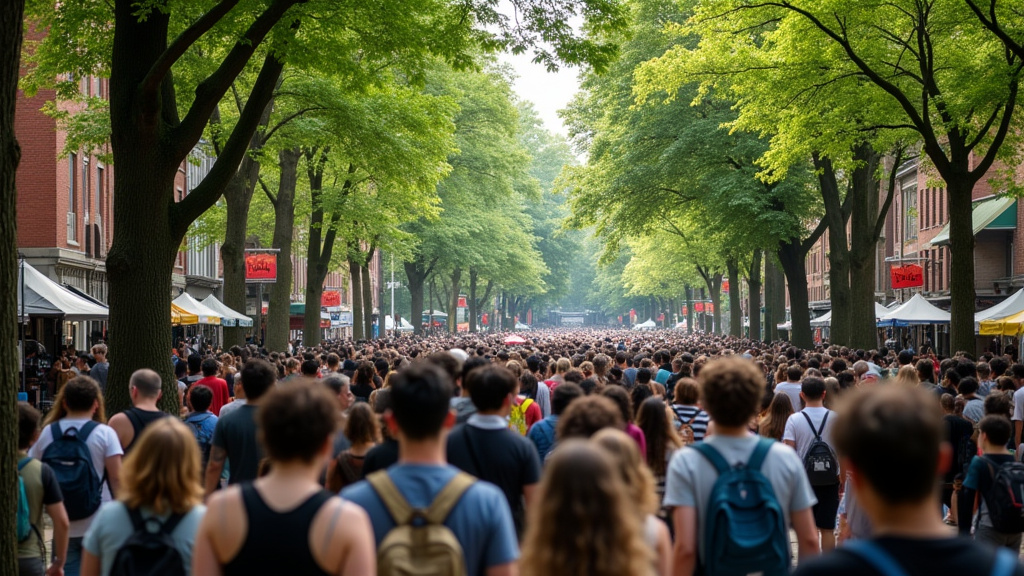
Chicago’s River North district transformed into a vibrant hub of sartorial innovation yesterday as the annual Style Gala showcased a new guard of emerging local designers. With a laser focus on sustainable textile engineering and circular fashion models, the event signaled a major pivot for the Midwestern fashion industry, proving that high-end style and ecological responsibility are no longer mutually exclusive. As the runway lights dimmed, it became clear that Chicago is staking a definitive claim in the future of the global fashion narrative.
Key Highlights
- Regional Emergence: The gala placed a spotlight on six primary local designers who have successfully integrated regenerative textile practices into their collections.
- Material Innovation: A recurring theme was the use of biodegradable alternatives to synthetic fibers, including a new line of mycelium-based leather accessories.
- River North Impact: The event served as a major economic driver for the River North arts district, drawing record crowds to local galleries and retail spaces.
- Sustainable Standards: Industry experts presented the ‘Midwest Circularity Initiative,’ a new framework for local supply chain efficiency aimed at reducing textile waste by 25% over the next three years.
The Fabric of the Future: Chicago’s River North Runway
The energy at the Chicago Style Gala was palpable, a stark departure from the traditional, often ostentatious fashion events of the past. The focus this year was squarely on the ‘how’ rather than just the ‘who.’ By prioritizing local sourcing and textile innovation, the designers participating in this year’s gala are challenging the dominance of coastal fashion hubs, suggesting that the future of the industry may lie in the industrial and creative heart of the Midwest.
Advancing Sustainable Textile Innovations


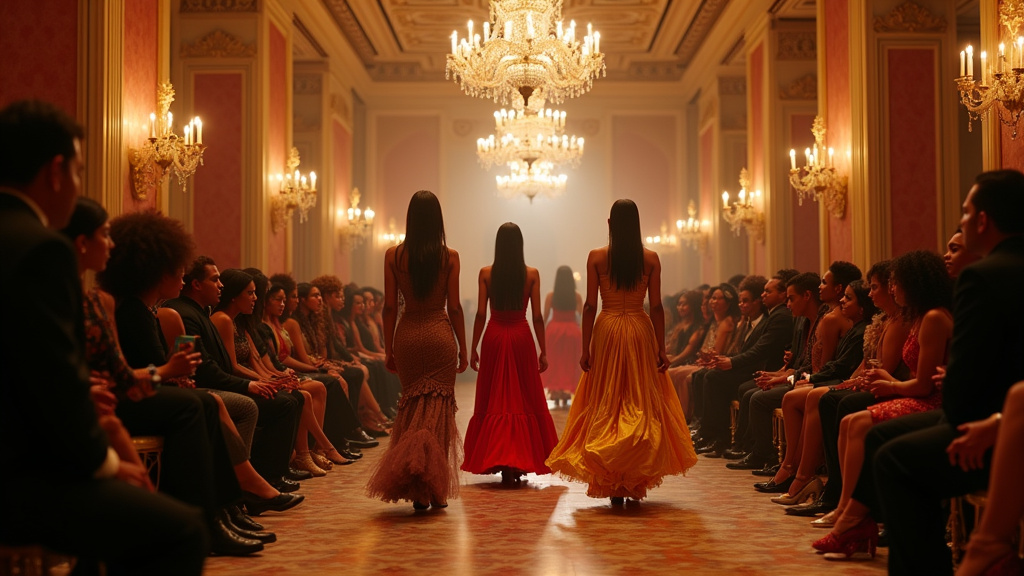
The standout element of this year’s gala was undoubtedly the dedication to material science. Emerging designers such as Elena Vance and the collective Studio 402 introduced garments crafted from upcycled industrial remnants and lab-grown bio-textiles. These pieces were not merely conceptual; they were commercially viable, high-fashion items that demonstrated a radical shift away from fast-fashion production cycles. The integration of zero-waste pattern cutting techniques—where the fabric is engineered to have zero scraps after assembly—was a prominent feature in the evening’s showcase, setting a new bar for regional designers.
The Economic Pulse of River North
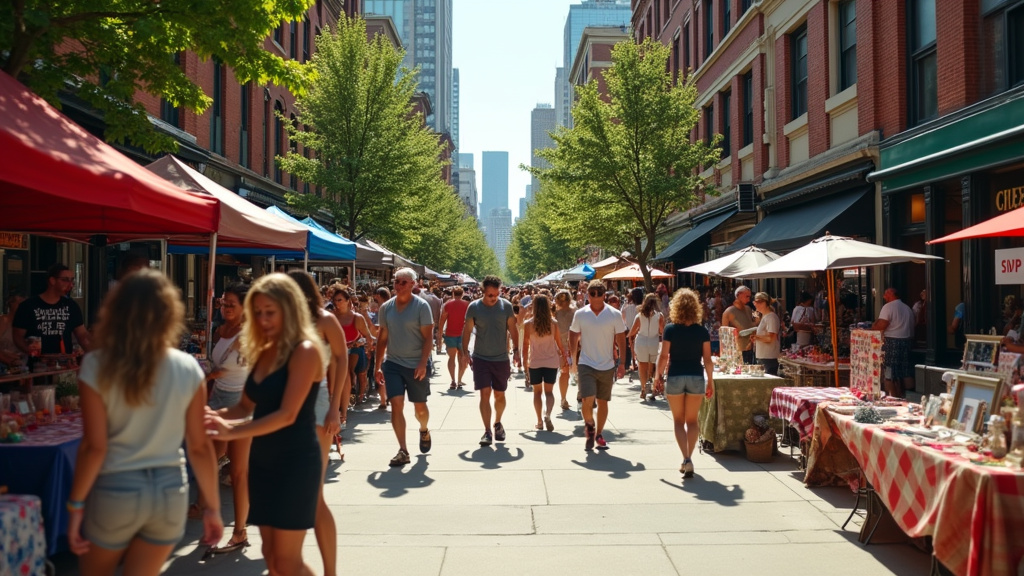
The River North location was not chosen by accident. As a historic intersection of art, retail, and commercial design, the district provided the perfect backdrop for a dialogue between established legacy businesses and the burgeoning fashion scene. Local stakeholders reported that the gala generated an estimated 30% increase in foot traffic across the district’s galleries and boutique retail spaces compared to the same weekday last year. This event effectively positions River North as a ‘fashion-tech’ corridor, creating a unique ecosystem where designers, technologists, and retailers collaborate in real-time.
Challenges and Future Forecasts
Despite the clear success of the event, the path forward for Chicago’s designers is not without hurdles. The primary challenge remains the infrastructure of the local supply chain. While the design talent is world-class, the lack of local garment manufacturing facilities forces many to outsource production to coasts or overseas, which inherently creates a carbon footprint that negates some of their sustainable efforts. Looking ahead, industry analysts at the gala projected that with a 15% increase in capital investment into local sewing and finishing workshops, Chicago could potentially become the primary hub for small-batch, sustainable luxury manufacturing in the United States by 2028.
FAQ: People Also Ask
Q: What was the primary focus of this year’s Chicago Style Gala?
A: The primary focus was the intersection of emerging local design talent and sustainable textile innovation, showcasing how Midwestern designers are leading the charge in circular fashion.
Q: How did the gala impact the River North district?
A: The gala served as a significant economic catalyst, leading to an estimated 30% increase in local retail and gallery foot traffic during the event period, cementing River North as a key fashion-tech corridor.
Q: What is the ‘Midwest Circularity Initiative’ announced at the event?
A: It is a new framework introduced to local designers aimed at creating more efficient supply chains and reducing textile waste within the region by 25% over the next three years.
Q: Will these sustainable designs be available to the public?
A: Yes, many of the collections showcased at the gala are slated for limited release in local River North boutiques starting next month, with several designers opting for a pre-order model to further reduce inventory waste.